News

RSS Feed
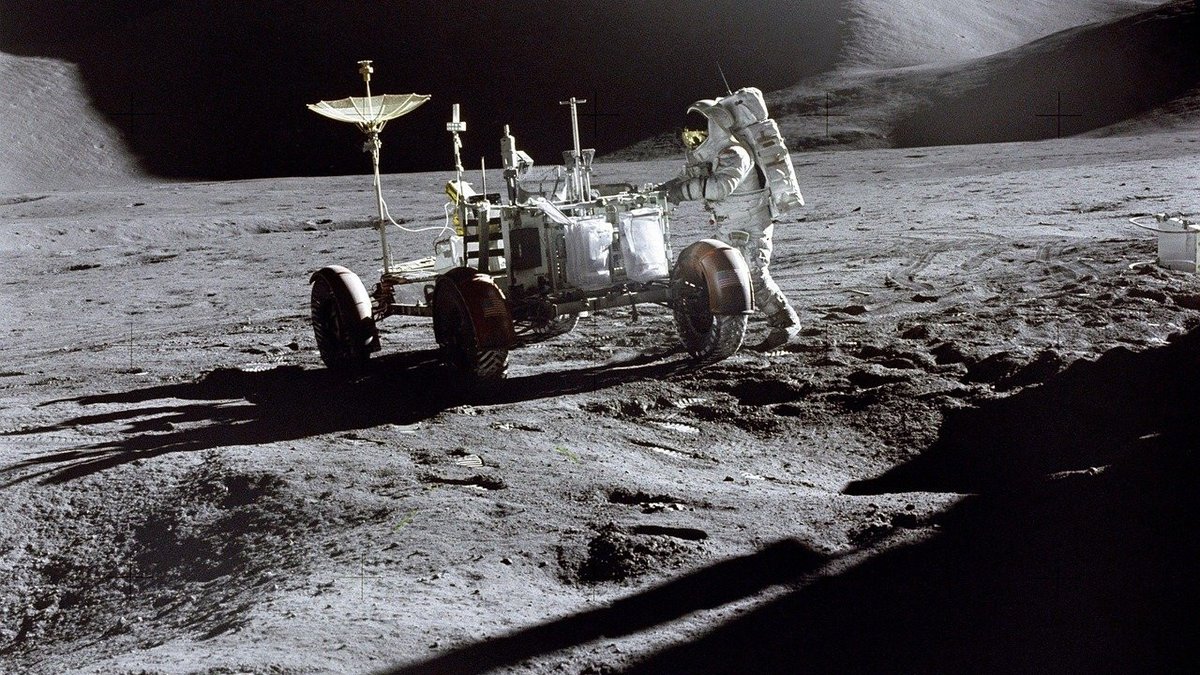
Lunar rover moon

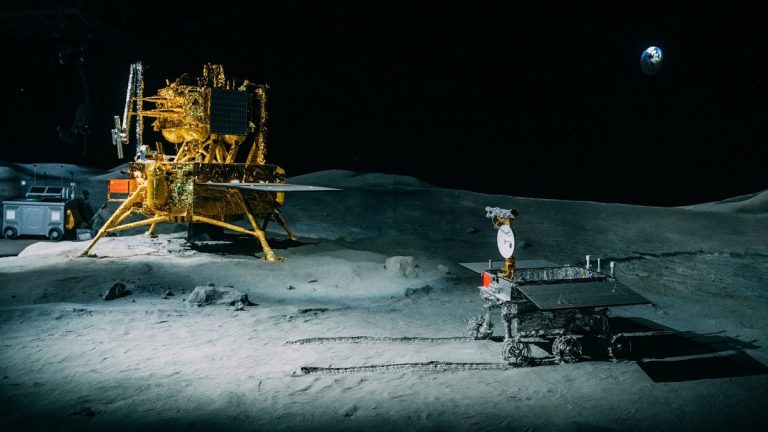
Astrobotic’s 19-year, contract-built path to the Moon has ended in a $162 million Voyager deal as Peregrine’s valve failure gives way to a bigger race to scale landers, lunar power and NASA Moon Base hardware on a tightening schedule

Astrobotic Technology’s official announcement says the Pittsburgh lunar company has entered an agreement to be acquired by Voyager Technologies, bringing a long-running commercial Moon lander developer into a public space infrastructure company as NASA pushes toward a more sustained lunar presence. The deal gives Astrobotic a new financial and industrial base after 19 years of…
More

More in News

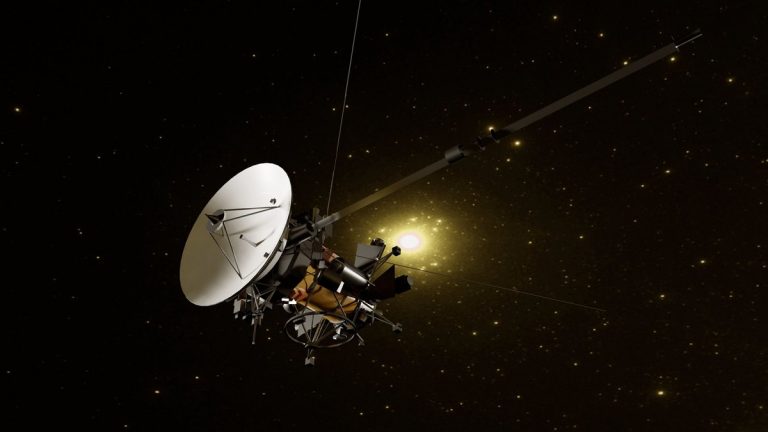
Illustration of a spacecraft navigating through the vast universe against a starry backdrop

A NASA spacecraft no larger than a small car launched in 1977 is still racing beyond Pluto at 38,000 miles per hour, and the radio signals Voyager 1 sends home now take more than 23 hours to reach engineers on Earth as the interstellar mission outlives the era that built it

NASA’s Voyager 1 mission remains one of the strangest success stories in spaceflight. Nearly 49 years after launch, the small car sized spacecraft is still operating in interstellar space, still sending faint data home and still forcing engineers on Earth to work at the speed of light across a distance that now stretches for more…

Forest and tropical sea, amazing aerial view from drone. Holiday concept

Planting Trees Could Quietly Drain Water in a Hotter World

A study in One Earth found that the same large-scale reforestation effort can push global water availability in opposite directions depending on future warming. Under milder warming, forests add a small amount of water to the land surface. Under hotter conditions, the same trees reduce it. Researchers led by Tao Tang, a climate scientist at…

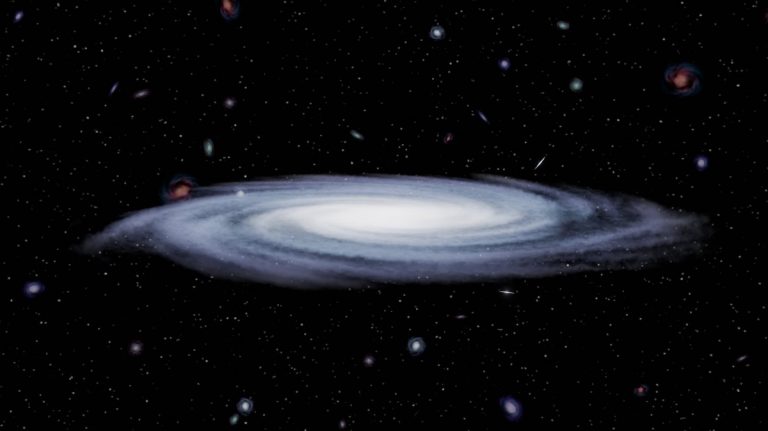
Illustration of a spiral galaxy surrounded by stars and galaxies in deep space, showcasing cosmic beauty

Webb has confirmed MoM-z14, a galaxy whose light left 280 million years after the Big Bang, and its brightness and nitrogen-rich chemistry suggest early star formation moved faster than models predicted

A study in The Open Journal of Astrophysics has confirmed MoM-z14, a remarkably bright galaxy seen as it was just 280 million years after the Big Bang. By using JWST observations and spectroscopic measurements, the team pushed the confirmed galaxy frontier to a redshift of 14.44. The finding reaches far beyond a cosmic distance record.…