The U.S. Department of War has published another batch of declassified and historical files on unidentified anomalous phenomena, bringing fresh military records and decades-old reports into a public archive built for government UAP material. The release gives scientists, historians and the public a wider look at cases that span modern military sightings, Cold War-era paperwork and astronaut observations from the spaceflight era.
The newly public material is part of a broader federal effort to collect unresolved UAP records in one place. UAP is the government’s preferred term for sightings that were once commonly grouped under UFOs. The archive includes documents, photos, audio and videos from multiple agencies, with some entries reaching back to 1947.
For readers hoping for a clean answer, the files point to a harder scientific problem. Many reports contain intriguing observations. Many also lack the sensor data, camera quality, timing records and environmental context needed to identify what was seen.
More declassified UAP records go online
The latest release follows the May 8, 2026 launch of a dedicated government page for public UAP files. That first release made 162 declassified documents, photos and videos available. A second release on May 22 added 60 more documents to the public collection.
The records cover alleged sightings from across roughly eight decades. Some are recent military reports. Others are historical files from agencies such as the Department of War, the FBI and NASA. Together, they form a broad archive of cases that remained unresolved after earlier reviews.
The government’s language is careful. The archive describes these entries as unresolved cases because officials lack enough information to make a firm identification. In other words, the files are valuable records of sightings and reports. They also show how thin the evidence can be once investigators try to reconstruct what happened.
That point matters for science. A strange image or a pilot’s description can raise a useful question. A reliable answer usually requires multiple measurements, known instrument settings, clear timestamps and enough context to compare the object with aircraft, satellites, weather, reflections, or sensor artifacts.
Military videos join decades-old case files
The public database includes military videos alongside older written records. Some of the most attention-grabbing entries are short clips captured during military operations. These videos can appear strange because they often come from specialized sensors rather than ordinary cameras.
Infrared cameras, targeting systems, compression, glare and motion can all change the way an object looks. A bird, balloon, aircraft, drone, or distant object can appear unusual when viewed through a moving sensor from a moving platform. Investigators then have to work backward from the recording.
The archive also includes records from earlier eras, when sightings were often described through typed reports and witness statements. Those files are useful for historical context. They also carry the limits of their time. Many lack the dense digital metadata that modern investigators expect.
The mix of modern videos and old case files gives the archive an unusual shape. It is part military record, part historical collection and part scientific data problem. That combination is why UAP research can attract public interest while still leaving analysts with few firm conclusions.
NASA astronaut reports return to view
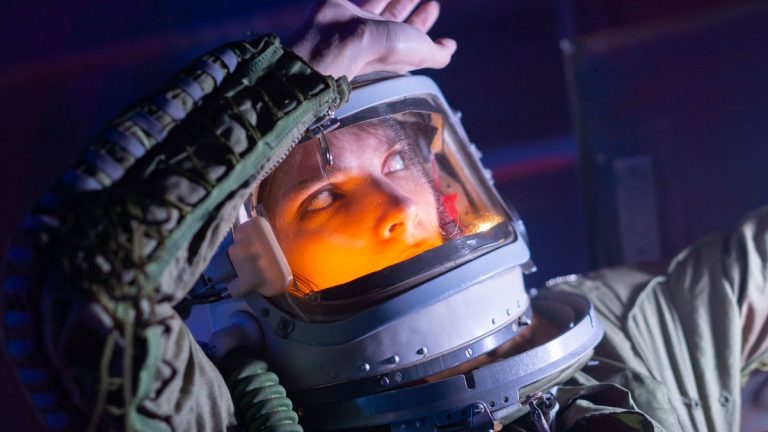
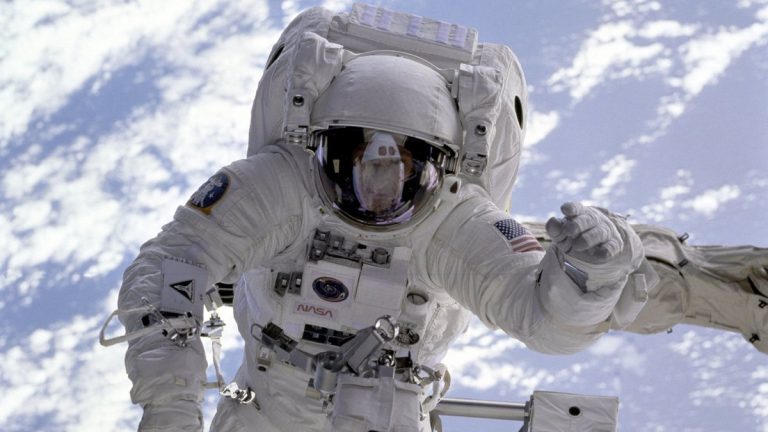
Some of the most striking entries involve NASA astronauts during the early years of human spaceflight. The archive includes Apollo-era files, audio and transcripts in which astronauts described unusual flashes, light points, or particles seen during missions.
One notable example comes from Gemini VII on December 5, 1965. During the mission, astronauts Frank Borman and Jim Lovell reported a “bogey” outside the spacecraft. Borman described “hundreds of little particles going by,” while the crew also indicated that they could see the detached booster elsewhere.
The spacecraft eventually moved away from the particles and the observation remained unresolved in the file. For historians of spaceflight, the episode captures the uncertainty of early orbital operations. Astronauts were traveling in a new environment, surrounded by hardware, sunlight, ice, debris and visual effects that could be difficult to identify in real time.
The archive also includes material tied to Apollo 11, Apollo 12 and Apollo 17. In those records, astronauts described flashes and particles of light. The files add a space-history dimension to the UAP release, even when the underlying observations remain too limited for final identification.
Why many cases remain unresolved
The central scientific issue is data quality. A sighting may be sincere and still leave investigators without enough information to determine what happened. Distance, speed, size and altitude can be hard to measure from a single viewpoint.
The Department of War states, “The materials archived here are unresolved cases.” That short description carries a major caveat. Unresolved means the government has left the case without a definitive label based on available evidence.
The agency also says, “The government is unable to make a definitive determination on the nature of the observed phenomena.” That can happen when a case lacks sufficient data, when a sensor record is incomplete, or when classified collection details limit what can be released publicly.
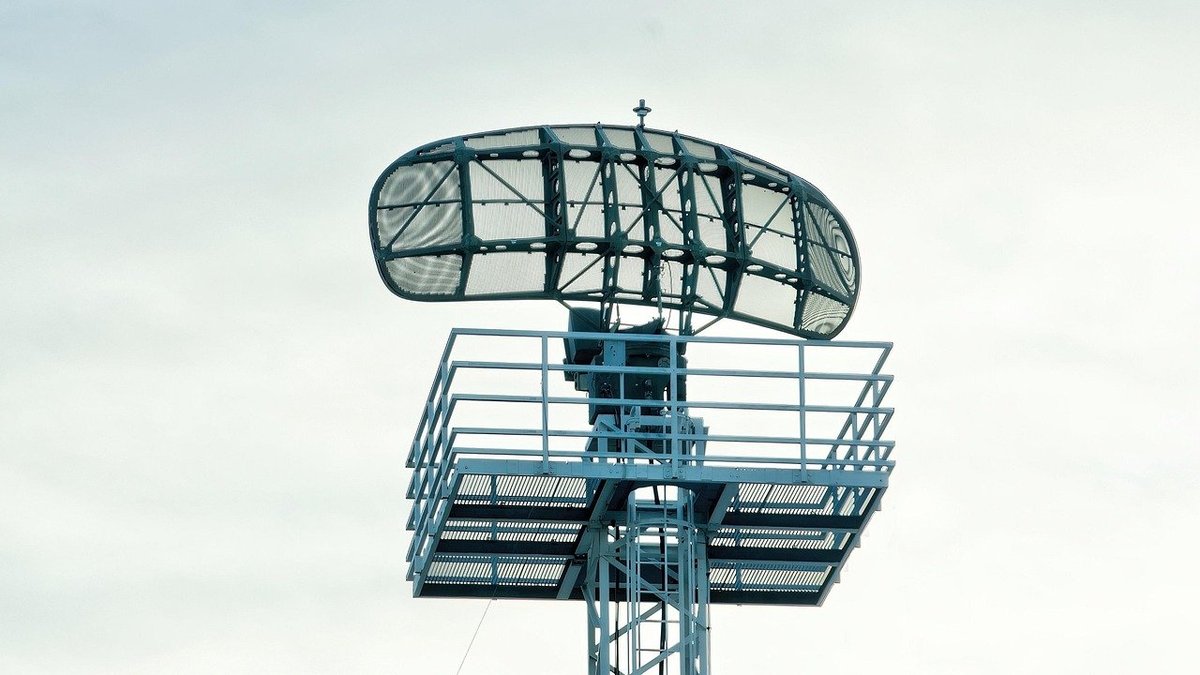
This is where sensor data becomes crucial. A high-quality investigation benefits from synchronized radar, optical imagery, infrared data, GPS records, weather conditions and witness timing. Without those pieces, analysts may have only a blurry shape, a brief track, or a report written after the fact.
Classification can also complicate public review. Some UAP records may remain sensitive because of the systems that captured them. The object in the image may be less sensitive than the camera, aircraft, radar, or operating location involved in the recording.
What the files say about aliens
The public UAP files do include strange reports. They do not provide compelling evidence of alien intelligence. NASA’s public position remains that UAP are real observations, but the available data have not shown evidence that they come from extraterrestrial technology.
That distinction is important for readers. UAP means an observation has not been identified from the available information. It does not automatically identify the cause. A case can stay unresolved because the record is too limited.
NASA’s own independent UAP study, conducted in 2022 and 2023, reached a similar cautionary point. The agency emphasized that many sightings are difficult to evaluate because they contain limited data. The strongest path forward, according to that approach, is better reporting and better measurement.
Past government reviews have also pointed to everyday and human-made explanations for many sightings. Birds, balloons, optical effects, poor images and foreign surveillance technology can all produce reports that seem unusual at first glance. Military pilots and astronauts can still encounter phenomena that are hard to identify quickly.
The new archive therefore serves a public transparency role. It lets more people examine what the government has released. It also shows why extraordinary interpretations need stronger evidence than a mysterious clip or a decades-old transcript can usually provide.
More releases are expected
The UAP archive is designed as a continuing release effort. Earlier government language said, “Additional files will be released by the Department of War on a rolling basis.” That means the current collection may keep expanding as more records are reviewed and cleared for public access.
Future releases could add more military files, historical documents and agency records. Each one may help researchers trace how sightings were reported, investigated, archived and interpreted over time.
The most useful future material would likely include richer technical detail. Complete sensor logs, clearer imagery, timing data and environmental information would make a major difference. Those details help separate unusual aircraft, weather effects, reflections, satellites, debris and instrument artifacts from truly puzzling cases.
For now, the archive offers something narrower and still meaningful. It places unidentified anomalous phenomena records in public view, including military videos and astronaut-era reports that have long fueled curiosity. The scientific challenge begins with the same question behind every case: what data exist and what can they actually show?