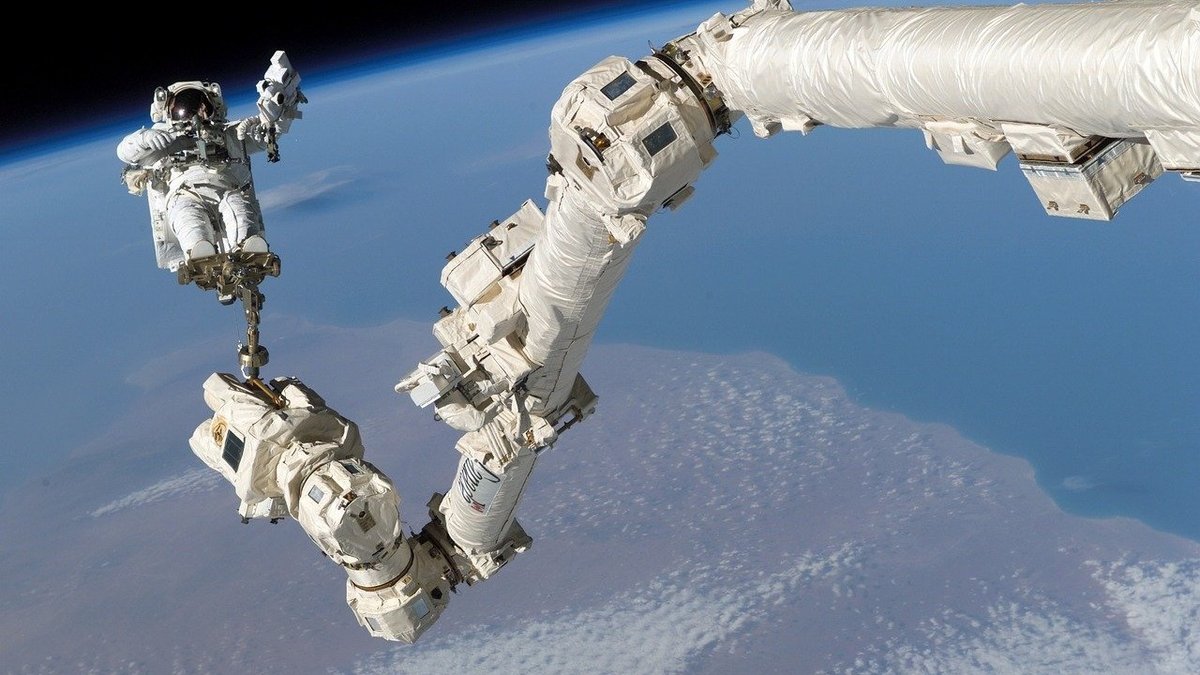
NASA Ames Research Center has highlighted one of human spaceflight’s strangest sensory details: after astronauts return from a spacewalk, their suits and tools can carry a sharp odor that crews have compared to hot metal, welding fumes, gunpowder and seared steak. The NASA account describes a smell that appears when astronauts come back inside, remove their helmets and encounter materials that have just spent time in the space environment.
The detail has become a favorite piece of spaceflight lore because it turns an invisible environment into something almost culinary. Yet the phenomenon is grounded in the practical routine of extravehicular activity. Astronauts smell the odor after the airlock is repressurized, when spacewalk gear meets breathable cabin air again.
That timing matters. Smell depends on molecules reaching receptors in the nose through air. During a spacewalk, astronauts breathe the air inside their suits. Once the airlock is sealed and pressurized, crew members can detect odors released from suits, gloves, helmets and tools.
A Smell That Appears After Repressurization
The smell arrives at a very specific moment. Astronauts finish an extravehicular activity, close the outer hatch and allow the airlock to return to a livable pressure. Only after that sequence can the crew remove helmets and breathe the air around their equipment.
That makes the odor a feature of the repressurized airlock. Hardware that has been exposed to vacuum, sunlight, charged particles and low-Earth-orbit chemistry is suddenly surrounded by cabin air. Any reactive materials or trapped compounds on those surfaces can then enter the air in a small enclosed space.
The description tends to sound dramatic because the airlock is compact. A faint chemical trace can feel strong when it comes off fabric, tools, or suit components near the face. NASA’s account notes that astronauts have reported the odor clinging to suits, helmets, gloves and tools after a spacewalk.
Inside the suit, the experience is different. The astronaut’s breathing supply comes from the life-support system. The sensory event belongs to the return, when the work outside has ended and the equipment comes back into the spacecraft environment.
What Astronauts Have Reported
Multiple astronauts have described the smell in similar terms. NASA astronaut Greg Chamitoff called it, “There’s this really, really strong metallic smell.” That short description captures the most consistent part of the reports: a distinct metallic edge that stands apart from the ordinary scent of a spacecraft cabin.
Don Pettit, a NASA astronaut and chemical engineer, gave one of the most memorable accounts after a mission to the International Space Station. “The best description I can come up with is metallic,” Pettit said, according to NASA. His account is especially useful because it points to the smell on gear after the spacewalk sequence.
Pettit also connected the odor with a familiar Earthside experience. “It reminded me of pleasant sweet-smelling welding fumes,” he said. That comparison has helped shape the popular image of space as smelling like hot metal, scorched material, or something faintly cooked.
Other astronaut descriptions collected over the years include ozone, burnt gunpowder, brake pads, walnuts and seared steak. Those comparisons are sensory shortcuts. They show how trained crew members tried to describe an odor with no everyday name.
The consistency of those reports gives the phenomenon weight. A human nose can identify a pattern long before a chemical explanation is complete. In the tight operating environment of a spacecraft, those sensory details can become memorable very quickly.
Why the Airlock Matters
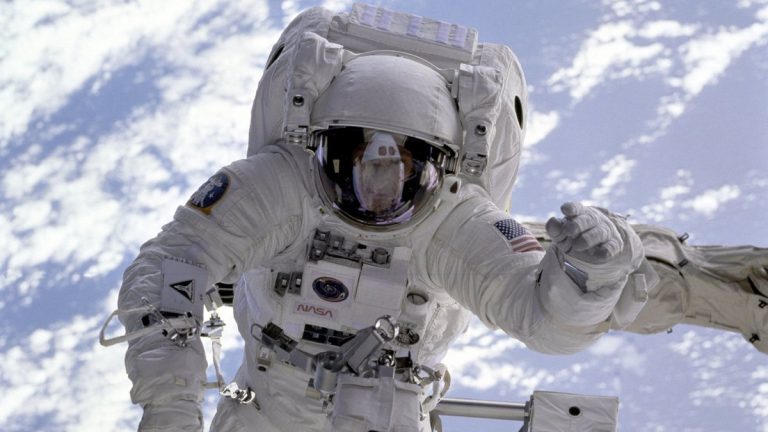
During a spacewalk, the suit acts as a personal spacecraft. It supplies oxygen, removes carbon dioxide, controls temperature and shields the astronaut from the outside environment. The astronaut’s nose is part of that sealed life-support loop.
The International Space Station uses an airlock to manage the transition between cabin pressure and vacuum. Astronauts move through that chamber before and after extravehicular activity. The process protects the rest of the station while allowing crew members to work outside.
Once the astronauts return, the outer hatch closes and the chamber fills with gas again. The smell becomes detectable when the equipment is surrounded by air. This step turns exposed surfaces into possible odor sources.
Fabric may play an important role in how the smell is noticed. Suit material, gloves and soft components have more surface area and texture than smooth metal. That gives reactive compounds or tiny traces more places to cling before the airlock is pressurized again.
The same airlock sequence also explains why astronaut descriptions often focus on gear. The odor is reported on spacesuits and tools after they come inside. The equipment has carried the environmental signature back to the crew.
The Chemistry Behind the Odor
The exact chemistry remains open. NASA’s explanation gives a cautious answer to the question of what causes the smell: “We don’t know.” That uncertainty is important because astronaut reports can identify an experience, while laboratory analysis is needed to identify the precise molecules behind it.
One proposed contributor is atomic oxygen. In low Earth orbit, ultraviolet sunlight can split oxygen molecules into individual oxygen atoms. These atoms are highly reactive and can interact with spacecraft surfaces, especially materials exposed during a spacewalk.
When those altered surfaces return to air, they may release compounds that smell metallic, acrid, or ozone-like. Ozone comparisons fit the general idea of reactive oxygen chemistry. They still leave room for several possible pathways.
NASA Ames also points to polycyclic aromatic hydrocarbons as likely contributors. These sturdy carbon-rich molecules are common in space and can form under energetic conditions. On Earth, related compounds are associated with combustion, soot and charred smells.
The odor may come from a mixture rather than a single culprit. Suit fabrics, plastics, lubricants, metal surfaces, tool residues, ultraviolet radiation and vacuum exposure all add complexity. A nose detects the combined impression, while chemistry would need to separate the blend into its parts.
Why NASA Pays Attention to Strange Smells
Unusual smells matter aboard a spacecraft because the cabin is a sealed habitat. A burnt odor can signal overheating electronics. A sharp chemical smell can point to material outgassing or contamination. Astronauts are trained to treat sensory changes as useful information.
A familiar post-spacewalk scent can help crews interpret the situation calmly. If an odor appears right after extravehicular activity and matches previous EVA reports, it can be understood in that operational context. A similar smell at another time would deserve closer attention.
This is part of the broader discipline of spacecraft safety. Crews monitor sounds, vibrations, warning lights, pressure readings and smells. Human senses add another layer to instruments and procedures.
NASA has even explored the idea of recreating space-related odors for training. The goal would be practical. A crew that recognizes an expected smell after a spacewalk can focus attention on new or unusual cues.
Odor also connects engineering to human experience. Spacecraft are designed as machines, yet people live inside them for months. A trace smell in a small cabin can become part of the operational memory of a mission.
A Human Sensor at the Edge of Space
The smell of spacewalk gear is a small phenomenon with a large emotional reach. It sits at the boundary between chemistry, materials science and the lived experience of astronauts working in orbit.
The most precise way to describe it is also the most interesting. Astronauts encounter the smell when vacuum-exposed gear returns to breathable air. The scent comes from the meeting of spacecraft materials and the space environment.
That boundary is chemically active. Surfaces outside the station face ultraviolet radiation, temperature swings, atomic oxygen and the harsh vacuum of low Earth orbit. Back inside, those same surfaces enter a warm, pressurized, human habitat.
The human nose then becomes a kind of informal detector. It picks up a brief signature that instruments may later need to analyze in detail. The reports from Chamitoff, Pettit and other astronauts show how sensory observation can preserve clues from an environment people cannot directly touch or breathe.
For readers on Earth, the comparison to seared steak and hot metal gives the phenomenon its hook. For engineers and astronauts, the smell is a reminder that every spacewalk brings a little chemistry back through the hatch. The nose notices what the suit carries home.