A study in Alcheringa has opened a rare window into a hidden New Zealand ecosystem that vanished long before people reached the islands. The fossil cache, found in a cave near Waitomo on the North Island, preserves birds and frogs from about 1 million years ago.
The discovery gives scientists a glimpse of life from a period that has left few land-animal fossils in Aotearoa New Zealand. Inside the cave were remains from 12 bird species and four frog species. Among them was a newly named ancient relative of the kākāpō, the famous flightless parrot that survives today only through intensive conservation work.
Researchers from Australia and New Zealand say the fossils show that the country’s wildlife had already gone through major upheaval before human settlement. Climate swings and explosive volcanism repeatedly changed the landscape. Forests shifted, habitats broke apart and animal communities were remade over hundreds of thousands of years.
A fossil cache near Waitomo
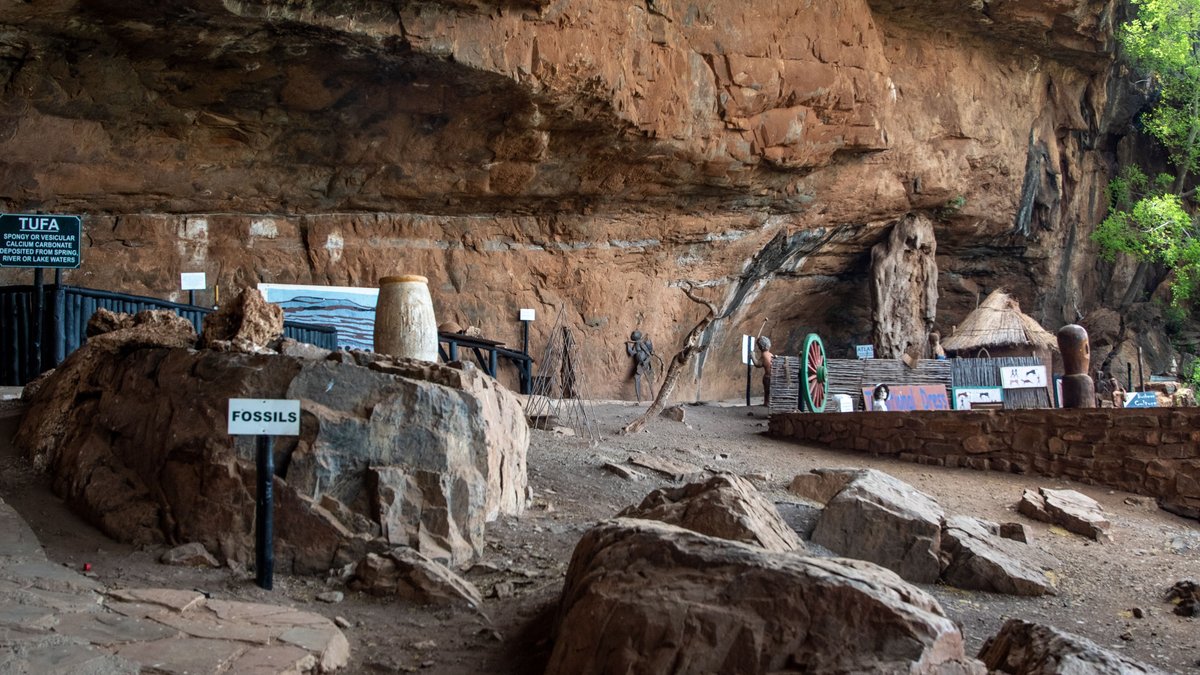
The fossils came from Moa Eggshell Cave, a limestone cave near Waitomo on New Zealand’s North Island. The site preserved a rare terrestrial vertebrate record from the Early Pleistocene, roughly 1 million years ago. For paleontologists, that age matters because New Zealand’s land-animal fossil record is rich in some periods and very sparse in others.
According to the study team, the remains were constrained in age by volcanic ash deposits. One layer came from the Ngaroma eruption about 1.55 million years ago. A younger layer was linked to the Kidnappers eruption about 1 million years ago. These ash beds acted like geological bookends around the fossil-bearing deposits.
That timing helps give the cave unusual scientific value. Many fossil sites can reveal what lived in a place. This one also helps pin those lives to a narrow window in deep time. The researchers could connect animal remains to an interval of dramatic geological and environmental change.
The work was led by Associate Professor Trevor Worthy of Flinders University, with collaborators including Dr. Paul Scofield of Canterbury Museum. The team also included specialists in volcanology and geology. That mix of expertise helped connect bones in the cave to eruptions that reshaped the island above it.
Birds and frogs from a vanished ecosystem
The cave contained fossils from 12 bird species and four frog species. Together, they describe a community that differs sharply from the birdlife known from New Zealand’s later pre-human fossil record. Worthy described it as a newly recognized avifauna, a term scientists use for the bird species living in a particular place and time.
“This is a newly recognized avifauna for New Zealand, one that was replaced by the one humans encountered a million years later,” said Associate Professor Worthy.
The find includes birds that belong to lineages still familiar in New Zealand. It also includes forms that disappeared before people arrived. That makes the cave a kind of baseline for seeing how much change happened naturally during the last million years.
Worthy said the fossils point to forests with a bird community that later vanished. “This remarkable find suggests our ancient forests were once home to a diverse group of birds that did not survive the next million years,” he said.
The frogs add another layer to the picture. New Zealand’s native frogs belong to ancient lineages and fossil frogs can help trace how these animals weathered shifting habitats. In the cave deposit, birds and frogs together show that the lost ecosystem included more than a few isolated species. It was a fuller snapshot of life on land.
A newfound kākāpō relative
Among the most striking fossils was a newly described parrot called Strigops insulaborealis. The species is an ancient relative of the modern kākāpō, one of New Zealand’s most distinctive birds. Today’s kākāpō is large, nocturnal and flightless. Its living habits make it one of the world’s most unusual parrots.
The fossil species appears to have differed from its modern relative in important ways. The researchers reported that its leg bones suggest weaker legs than those of living kākāpō. Because modern kākāpō rely heavily on strong legs for climbing and moving through dense vegetation, the fossil anatomy raises a fascinating possibility.
The ancient species may have spent less time climbing. It may also have retained some ability to fly. The study treats that idea carefully, since fragmentary fossils can reveal some traits while leaving others unresolved. More material would help test how the animal moved through its environment.
The name Strigops insulaborealis reflects its identity as a northern island member of the kākāpō lineage. Its discovery extends the known story of this group into a deeper past. It also shows that the lineage leading to the modern kākāpō was shaped by a long series of ecological pressures.
The cave also yielded evidence of other notable birds. These included an extinct ancestor of the takahē and an extinct pigeon related to Australian bronzewing pigeons. Such finds suggest a past bird community with links and combinations that later changed as habitats shifted across the North Island.
Volcanoes that reset island life
Numbers from the study point to a major biological turnover. The researchers estimate that roughly one-third to one-half of species disappeared during the million years before humans reached Aotearoa New Zealand. That change unfolded as the islands were hit by climate variation and volcanic disturbance.
Dr. Scofield connected the losses to environmental upheaval. “These extinctions were driven by relatively rapid climate shifts and cataclysmic volcanic eruptions,” he said.
Volcanoes played a direct role in the story recorded at Moa Eggshell Cave. The volcanic ash layers used to date the fossils came from major eruptions that spread ash over wide areas. The younger Kidnappers eruption likely blanketed much of the North Island with thick ash. Rain and erosion later stripped much of that material away from the surface.
Caves can protect evidence that disappears from open landscapes. Sediments, ash, bones and other traces may remain sealed in sheltered spaces. In this case, the cave preserved a record that weathering could have erased elsewhere.
Changing climate would have added more pressure. Cooler and warmer phases can move forests, expand shrublands and alter wetland habitats. For island animals with limited ranges, those shifts can open new opportunities while closing others. The result was avifaunal turnover, a reshuffling of bird communities over geological time.
A missing fossil record comes into focus
For decades, much of New Zealand’s extinction story has centered on the last several centuries. Human arrival around 750 years ago brought hunting, habitat change and introduced predators. The Waitomo fossils widen that lens by showing powerful natural change far earlier in the islands’ history.
The new cave record also helps fill a long gap between older and younger fossil windows. Researchers have studied rich fossil deposits at St Bathans in Central Otago, which preserve life from about 20 to 16 million years ago. Later deposits describe the birdlife that existed shortly before human arrival. The million-year-old cave fossils sit between those better-known records.
Scofield put the scale of that gap in memorable terms. “This wasn’t a missing chapter in New Zealand’s ancient history, it was a missing volume,” he said.
The fossils provide a benchmark for tracing how New Zealand’s modern fauna emerged. They show which lineages were already present, which forms later disappeared and how volcanic episodes may have pushed ecosystems into new configurations. For conservation scientists, that deeper history can give context for living species such as the kākāpō and takahē.
The discovery also points to the value of caves as archives. A single protected site near Waitomo captured birds, frogs, ash and sediments from a world that has largely vanished from the surface. As researchers continue to study such deposits, New Zealand’s ancient wildlife may come into sharper view one buried ecosystem at a time.