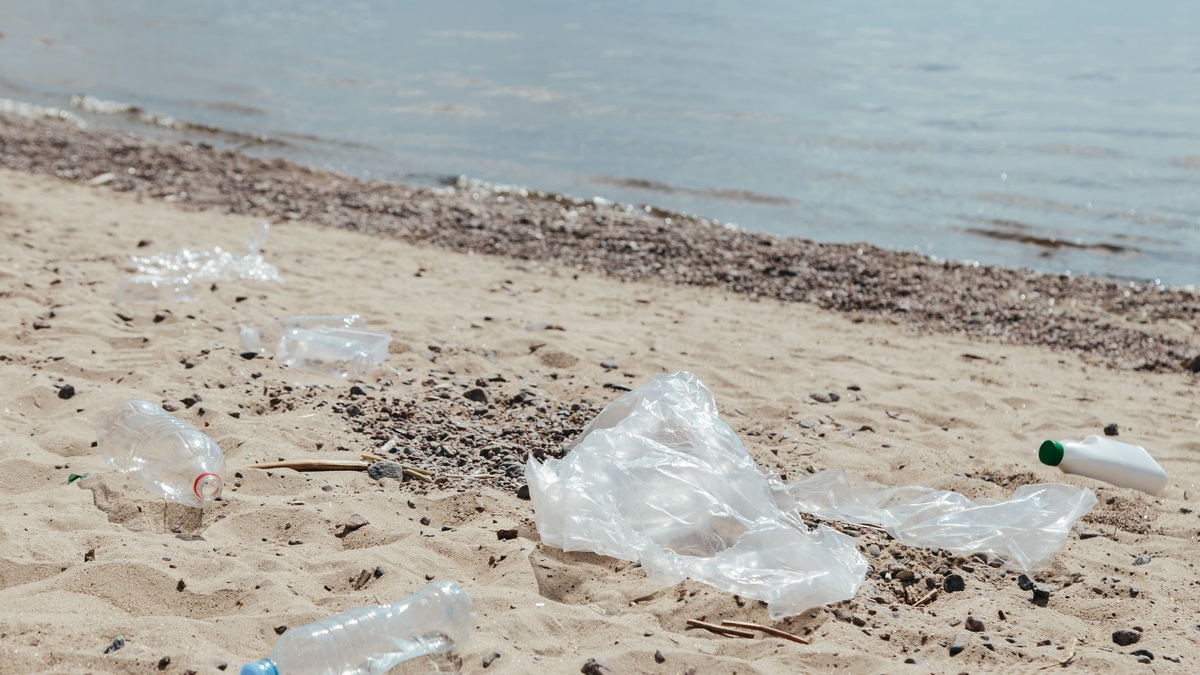
Lake Victoria’s pollution can be reduced only by acting across the entire basin. The strongest program combines safely managed sanitation, industrial effluent control and erosion reduction in tributary watersheds. Solid-waste collection must stop plastics and refuse before they enter drains, while wetlands and shoreline buffers can intercept some sediment and nutrients.
No single cleanup device can repair a lake shared by Kenya, Tanzania and Uganda and fed by a basin extending into Rwanda and Burundi. The World Bank’s lakewide sanitation assessment estimates that more than 47 million people live in the wider basin and about 33 million lack safely managed sanitation.
Prevention is more effective than removing pollution after dispersal. Wastewater treatment can reduce pathogens and nutrient loading at a known outlet. Once dissolved nutrients spread through bays and open water, recovery depends on slower biological and physical processes.
Untreated sanitation is a central pressure
Fast-growing cities and small towns around the basin often lack complete sewer networks. Pit latrines and septic systems can leak or overflow, while collected sludge may be dumped without treatment. Stormwater then carries fecal material into streams and the lake.
Wastewater contains disease-causing organisms and organic matter, which microbes decompose while consuming oxygen. Nitrogen and phosphorus fertilize algae. Greater biomass changes water clarity and can raise the risk of harmful blooms under favorable conditions.
The World Bank proposes lakewide inclusive sanitation, which covers the whole service chain. Toilets alone are insufficient if waste is not contained, emptied, transported and treated safely.
Industrial discharges create concentrated hotspots
Factories can release organic waste, nutrients, oils, metals or other chemicals depending on the industry and treatment system. A discharge pipe creates a point source that regulators can inspect and sample.
Industrial pollution control requires permits tied to measurable limits, functioning treatment equipment and transparent enforcement. Cleaner-production methods can reduce water use and recover materials before they become waste.
Historic Lake Victoria programs focused on urban and industrial hotspots, including gulfs near major cities. The LVEMP II environmental framework identified wastewater plants, fecal-sludge management and industrial controls as linked interventions rather than separate cleanup campaigns.
Farms and eroding land add diffuse pollution
Rainfall moves loose soil and nutrients from fields into tributaries. Unlike a pipe, this runoff comes from many small areas across a watershed. Monitoring the receiving river helps identify high-load subcatchments.
Vegetated riparian buffers slow overland flow and trap some sediment. Cover crops can reduce losses at the field, as can contour farming. Fertilizer timing should match crop demand and forecast conditions. Results depend on local soil and slope, while rainfall determines how much material moves.
Watershed restoration also protects wetlands and headwater forests that regulate runoff. The World Bank reports that earlier regional work supported hundreds of community projects restoring wetlands and forest while farmers adopted soil-conservation measures.
Nutrients drive eutrophication
Phosphorus and nitrogen support plant and algal growth. Excess loading can increase algal biomass and decomposition consumes dissolved oxygen. Fish stress depends on the oxygen minimum and its duration. The habitat affected determines which species are exposed.
Water hyacinth benefits from nutrient-rich conditions but is also controlled by wind, currents and biological management. Floating mats can block landing sites and shade water. Removing a mat offers local relief without eliminating the nutrient sources that favor regrowth.
Lake Victoria holds a vast volume of water with a long residence time. A World Bank project document estimated roughly 23 years, which means some effects persist after a discharge is reduced. Cleanup timelines should reflect that lag.
Plastic and solid waste must be stopped upstream
Uncollected refuse enters roadside drains during rain and moves through rivers. Larger objects can be trapped at drainage channels, but small fragments become harder to recover after weathering and dispersal.
Reliable collection is the foundation because transfer stations and controlled disposal reduce leakage. Recycling markets can divert suitable material. Producer-responsibility rules can shift some packaging costs toward companies, provided enforcement reaches the products most often found in waste streams.
Trash booms protect a specific inlet and reveal what is arriving. They require frequent removal and safe disposal. A boom without collection service merely moves the blockage to another place.
Wetlands can help but have limits
Wetland plants slow water, allowing soil to capture sediment. Microbial processes transform some nutrients. Constructed wetlands can polish treated effluent when they are sized for the flow and maintained.
Wetlands are not substitutes for wastewater treatment. Excess organic loading can overwhelm oxygen supply. Metals may accumulate in sediment, as can persistent chemicals. Using a natural wetland as an untreated sewer damages the ecosystem expected to provide filtration.
Restored buffers also need space around crowded urban bays. Land acquisition and community access must be planned openly so pollution control does not displace vulnerable residents without alternatives.
Monitoring shows whether cleanup works
Programs need baseline measurements for pathogens, nutrients, oxygen and selected toxic substances. Sampling should cover tributaries and shoreline hotspots. Open-water stations provide another scale because improvements near one outfall may not represent the lake.
Flow matters alongside concentration. A river with moderate phosphorus concentration can deliver a large annual load if its discharge is high. Continuous flow gauges paired with laboratory sampling produce better load estimates than occasional concentration checks alone.
Open reporting allows neighboring countries to compare methods and identify transboundary sources. Argo’s overview of types of water pollution explains why biological, chemical and physical indicators cannot be compressed into one score.
Regional coordination is unavoidable
Lake Victoria has one connected water body but several national legal systems. Pollution released upstream may cross borders, while investments in one city benefit downstream communities elsewhere.
The East African Community’s Lake Victoria Basin institutions can coordinate standards and data. National utilities still build and operate infrastructure and municipalities manage collection. Community groups supply local knowledge about drainage routes. They can also identify heavily used landing sites and sanitation gaps in informal settlements.
The 2025 sanitation strategy proposes demonstration plans in Mwanza, Entebbe and Homa Bay. Pilot cities can test service models, but basin-wide progress requires financing beyond three locations.
Cleanup protects fisheries and health
Pollution raises drinking-water treatment demands and can close recreation sites. Degraded water also changes fish habitat. Pathogen exposure creates an immediate health concern, while nutrient-driven ecosystem changes develop over longer periods.
Lake Victoria supports a major inland fishery and the diverse organisms described in Argo’s Lake Victoria wildlife overview. Pollution reduction cannot restore every historical ecological change, but it can lower avoidable pressure on current species and livelihoods.
Argo’s guide to reducing water pollution places the same principle in wider context. Source control comes first. Measurement then shows the result, while continued maintenance protects the infrastructure investment.
A practical sequence for fixing pollution
Begin by mapping pollutant loads and prioritizing sanitation hotspots where exposure is greatest. The complete collection-to-treatment chain comes next. Industrial enforcement addresses point sources, while watershed programs reduce erosion.
Solid waste collection should then keep refuse out of drains. Restoring protective shoreline areas addresses another pathway. Shared methods can track tributary loads and nearshore health. Published results help direct money toward measured needs rather than visible but temporary cleanups.
Lake Victoria can improve through sustained basin-wide source control. The work will take years because infrastructure gaps are large and the lake responds slowly. A coordinated program offers a credible route that isolated litter removal cannot.
Infrastructure must be financed after construction
A treatment plant cannot protect water if pumps fail or operating budgets disappear. Utilities need revenue to power the equipment. Laboratory work requires separate support and trained staff must be retained. Equipment replacement should be planned before a breakdown forces untreated bypasses.
The World Bank’s 2025 feature on collaborative Lake Victoria restoration describes regional work already underway. Demonstration projects supply evidence about costs. Long-term service then depends on national institutions working with municipal operators.
Sanitation systems also need to serve neighborhoods beyond conventional sewers. Scheduled pit emptying and regulated transport can reduce unsafe dumping. Treatment sites must accept that collected sludge at a price households and operators can sustain.
Restoration goals need measurable endpoints
“Clean lake” is too broad for project evaluation. A sanitation project can set targets for safely managed service coverage and pathogen reductions at affected beaches. A watershed program can report sediment or phosphorus loads at its outlet.
The LVEMP III concept document emphasizes regional coordination and the long persistence of degradation. Repeated measurements show whether source controls are strong enough to overcome that lag.
Targets should separate local and lake-wide response. Clearer water near one restored wetland is valuable, but it cannot be reported as recovery of the entire lake without representative monitoring.