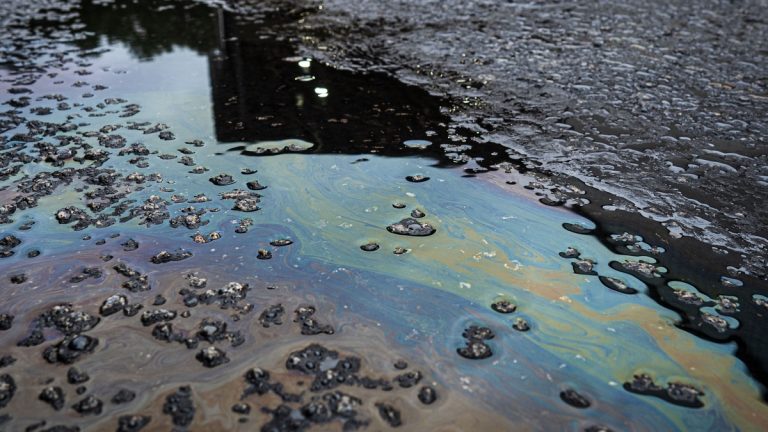
Rain can become a fast-moving delivery system for pollution. When it lands on a forest or meadow, much of it soaks into soil. On a street or driveway, it often rushes across the surface instead. Along the way it can pick up soil and litter along with oil and pet waste. Lawn chemicals and other material can then reach a stream, lake, wetland or coastal water. A single property can seem small, yet many paved properties drain into the same local system. The practical question is simple: what can be kept off the pavement, captured before a storm, or safely managed after use? These choices protect waterways used for recreation, wildlife, fishing and drinking-water supplies.
That route is called stormwater runoff. The U.S. Environmental Protection Agency says roofs, roads and parking lots create more runoff because they are impervious surfaces, meaning water cannot soak through them. Its stormwater guidance also notes that runoff can carry nitrogen and phosphorus from fertilizer, pet waste and yard waste. Excess nutrients can fuel unwanted plant and algae growth in water. Different watersheds face different problems, so the strongest action matches the local source of pollution. Reducing water pollution starts by keeping those materials out of moving water in the first place.
Stop pollution before runoff starts
Small spills and loose debris matter because runoff can connect a curb to a waterway within minutes. Keep trash bins closed, sweep up leaves and soil from paved areas and repair vehicle leaks promptly. Pick up pet waste before rain carries it away. Use a broom rather than a hose when cleaning a driveway or sidewalk. Check the weather before outdoor projects so loose material can be covered or removed before rain. At home, use the right amount of detergent and choose phosphate-free products where available. These choices reduce the material that rain can move through a storm drain.
Water from a storm drain may flow to a nearby water body without the treatment used for household wastewater. That is why a street, gutter and drain should be treated as part of the local watershed. For a car wash at home, EPA advises using a pervious surface such as grass or gravel and using soap sparingly. Use a bucket and a nozzle that can be shut off between rinses. Move wash water away from the curb and never pour it into a storm drain. Its home actions also include using water efficiently, which can reduce the volume of wastewater handled by septic systems and treatment plants.
Build landscapes that catch rain
The most useful defense works where rain falls. Green infrastructure uses soil, plants and permeable surfaces to slow water. These features spread it out and let some soak into the ground. EPA describes three key processes: filtration through soil or other material, infiltration into the ground and evapotranspiration, when water returns to the air through evaporation and plants. Roots help keep soil in place while the rough surface of vegetation slows flowing water. This also gives suspended soil particles more time to settle or become trapped. Each process can reduce the amount and speed of runoff.
A downspout can be directed toward a planted area that is designed for that flow, where local conditions allow. Rain gardens, vegetated swales and tree plantings can help hold and filter water. Permeable pavement can let water move through its surface into layers below. Rain barrels can collect roof runoff for later outdoor use when local rules and safe mosquito control practices are followed. These features need regular care, including clearing inlets and replacing damaged plants. A local conservation district or extension office may help with plant choices and site questions. EPA’s overview of green infrastructure stresses that designs should fit the site’s soil, rainfall and water-management needs.
Use less fertilizer and pesticide
Lawns and gardens need a measured approach. Apply fertilizer only when a soil test or local guidance shows it is needed, then follow the label closely. Keep granules off sidewalks and driveways, where rain can wash them directly toward a drain. Sweep up stray granules and return them to the container or treated area. Avoid applying products before heavy rain. Follow local rules for applications near water, since protected areas and conditions differ by place. Leaving a strip of plants near a stream or pond also helps slow water before it reaches the edge.
Pest control can follow the same principle. EPA describes integrated pest management as a combination of practices that manages damage with the least practical hazard. It can include identifying the pest, improving growing conditions and using the least hazardous effective option when one is needed. Spot treatment may reduce the area that receives a product. Store products away from rain and check sprayers for leaks before use. The agency’s lawn and garden guidance links careful lawn care with lower erosion, sediment, pesticide and nutrient runoff. Any pesticide should be used exactly as its label directs.
Keep waste out of drains
Leftover paint and solvents do not belong in drains or storm sewers. Neither do motor oil, batteries, cleaners or pesticides. EPA classifies many of these products as household hazardous waste. They may be toxic, corrosive, flammable, or reactive. Keep products in their original labeled containers until they can be safely managed. Never mix leftover products, because incompatible materials can react. Read the product label and use a community collection program or other local disposal option. EPA’s household hazardous waste information specifically advises against pouring these materials down a drain, onto the ground, or into storm sewers.
Homes with an onsite wastewater system need another layer of care. A well-sited and maintained septic system treats household wastewater through its tank and drainfield. A poorly maintained system can contaminate groundwater or nearby surface water. Have the system inspected and pumped on the schedule recommended for its size and use. EPA’s home guidance recommends spreading laundry and dishwasher use across the week so a system is less likely to be overwhelmed. Keep records of inspections and service dates for future maintenance decisions. Keep rainwater and sump-pump drainage away from the drainfield. Avoid flushing wipes, medications, grease or other trash.
Protect local water together
Some pollution sources need neighborhood-scale solutions. Construction sites can lose sediment when soil is exposed, so erosion controls and protected drain inlets are important. Cities can combine street sweeping with leak detection and catch-basin maintenance. Green spaces and rules for industrial or construction runoff add further protection. Plans work best when they focus on areas that send the most runoff or pollution downstream. Mapping drainage routes can reveal where a small upgrade may protect a larger area. In older cities, intense rain can also trigger combined sewer overflows, which are releases of excess untreated sewage from systems built to carry both sewage and stormwater.
Residents can report illegal dumping and support watershed or stream-cleanup groups. They can also ask local leaders how stormwater is managed in new developments. Businesses can store materials under cover and prevent spills from reaching pavement. Farmers, municipalities and homeowners each work on different pieces of the same drainage area. Local water-quality reports can help communities find their most urgent problems. Community projects also need funding for maintenance after the initial installation. The most durable improvements pair everyday habits with systems that make the cleaner choice easier to keep. Cleaner water follows when the whole watershed slows runoff and keeps pollutants contained. Soil, plants and treatment systems then have time to do their work.
Monitoring identifies the conditions a cleanup must change. Argo’s guides explain turbidity in water, what specific conductance reveals and why dissolved oxygen matters to aquatic life.
Two source-specific guides explain how E. coli reaches lakes and how lake shoreline erosion can be controlled.