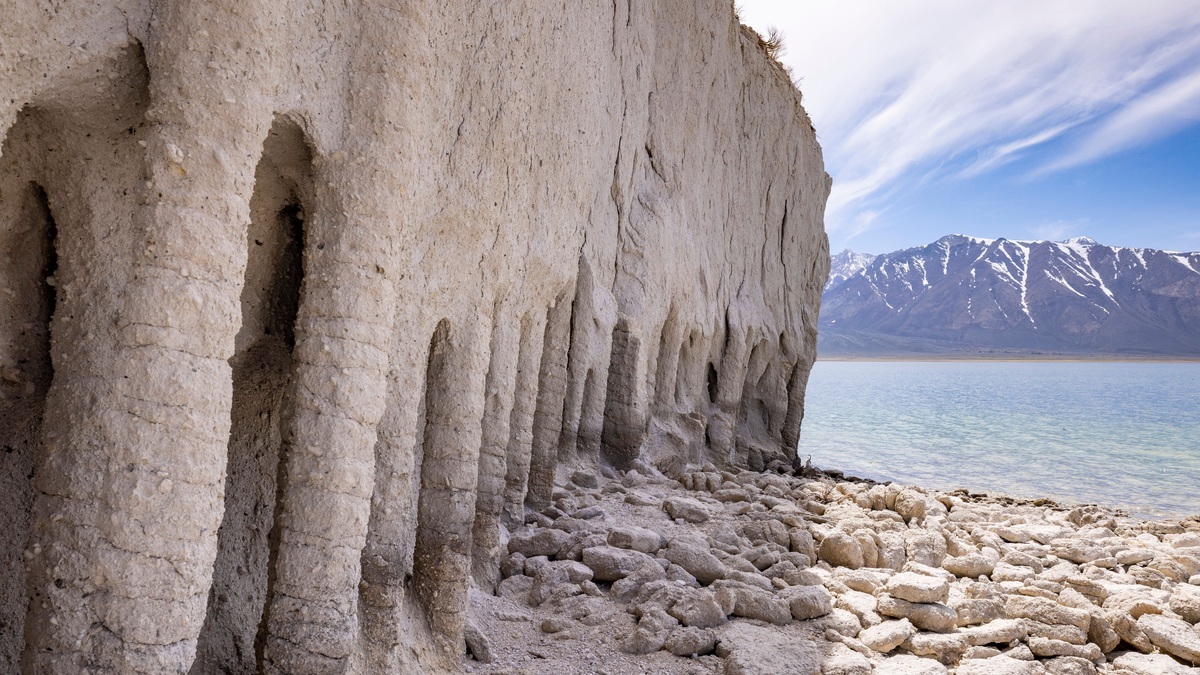
Lake shoreline erosion is the loss and movement of soil or sediment from the water’s edge. Waves drive much of the exposed-shore process. Runoff attacks a bank from above, while ice adds seasonal force. Removal of vegetation or poorly designed construction often accelerates the loss. Effective control begins by identifying the dominant cause and the amount of energy reaching the site.
Natural vegetation is usually the least disruptive first line of defense on a low- to moderate-energy inland shore. Engineered toe protection may be needed when wave exposure is severe. A steep bank or valuable structure close to the edge adds design constraints that must be assessed at the site.
Waves remove sediment from exposed shores
Wind transfers energy to the water surface. Breaking waves strike the bank and can undercut its toe, leaving unsupported soil above. Repeated wetting weakens some soils and the loosened material is transported alongshore or into deeper water.
Points projecting into a lake receive attack from more directions than sheltered bays. Long open-water distance, called fetch, allows wind to build larger waves. Boat wakes can add energy where traffic is frequent and the shore is close.
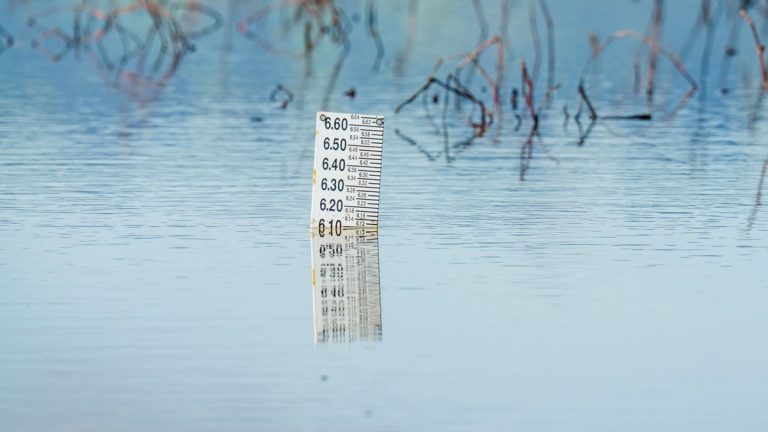
High lake levels let waves reach farther inland. A shore that remained stable during lower water can erode rapidly when the same wind acts at a higher elevation. Wave exposure is site-specific, so one stabilization design cannot be copied safely around an entire lake.
Runoff can cut the bank from above
Water from a roof can concentrate at the top of a slope. Driveways or compacted lawns create similar runoff when rainfall cannot soak into the ground. Small channels deepen with each storm and deliver sediment directly to the lake. Saturated soil also becomes heavier and may slump.
Redirecting clean runoff into a stable, vegetated infiltration area can reduce this pressure. Rain gardens or level spreaders may help where soils and slope permit. Discharge should not be moved onto a neighboring property or an unstable part of the bank.
Exposed footpaths create another route for concentrated flow. Limiting access to one well-designed path and protecting adjacent vegetation reduces trampling. Stairs and landings need drainage that prevents water from running down their edges.
Ice and currents add seasonal stress
Expanding lake ice can push soil and stones toward shore. Wind-driven sheets of broken ice may scour the bank. The Wisconsin DNR erosion guide identifies ice movement alongside waves and nearshore currents as natural forces on inland shores.
Currents carry away sediment released by wave action. At an inlet or outlet, flowing water may become the dominant source of scour. Erosion concentrated at the toe supports that mechanism. Sediment deposits and storm-by-storm changes help distinguish it from runoff arriving down the bank.
Seasonal timing helps identify the cause. Damage appearing after ice-out points toward ice push, while muddy rivulets following rain indicate upland runoff. A bank retreating through windy high-water periods requires a wave-focused assessment.
Native vegetation protects soil and habitat
Roots reinforce soil and stems slow overland flow. Near the water, flexible plants absorb part of the wave energy before it reaches bare soil. Trees and shrubs also provide shade and woody habitat, although a falling tree can disturb a bank during a storm.
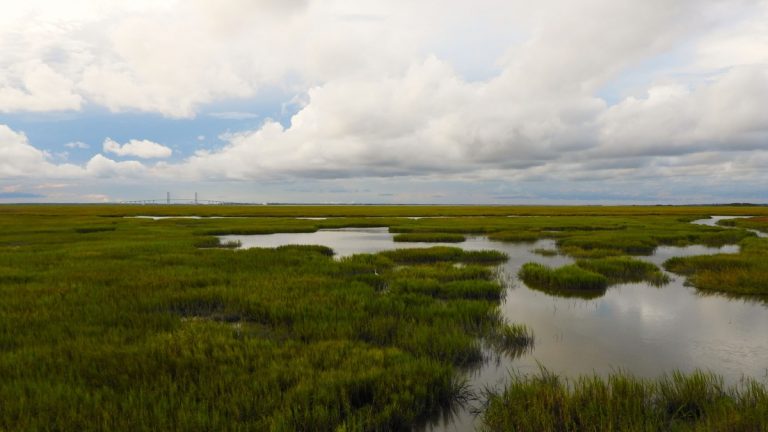
The EPA’s natural lakeshore guidance recommends native vegetation because roots stabilize the shoreline while the buffer filters runoff. Trees and shrubs can provide deep structure, while native grasses protect the surface. Plant choice must match local water levels and soil, with exposure setting another limit.
A mowed lawn to the water’s edge offers short roots and little roughness. Leaving a no-mow strip is an easy first step. Heavily eroded sites may need grading before deeper-rooted plants establish, with temporary erosion control protecting the exposed soil.
Natural buffers serve several functions. They reduce erosion and intercept sediment from upland runoff, while maintaining cover used by shoreline wildlife. Argo’s report on Great Lakes habitat loss explains the broader cost of simplified shorelines.
Biological methods fit lower-energy sites
Live stakes are dormant cuttings from species capable of rooting, commonly willow in suitable regions. They are inserted into moist soil so roots reinforce a small slump or eroding bank. Survival depends on choosing a suitable species and installation season. Available soil moisture then determines whether roots establish.
Fiber rolls made from coir or similar biodegradable material can protect the toe while plants establish. They trap sediment and provide a planting edge, then decay after roots take over. A roll exposed to strong waves without secure anchoring can fail.
Brush mattresses and brush layers use live branches to cover or reinforce a slope. These methods require correct orientation and firm contact with soil. They can be combined with biodegradable fabric to hold loose soil during establishment.
The Wisconsin DNR notes that biological shoreline protection may need toe protection where scour is expected. A professional should calculate the expected water level and wave energy before material is placed below the ordinary high-water line.
Hybrid protection can handle moderate scour
A hybrid design combines vegetation with limited inert material. Rock at the toe resists undercutting. Plants stabilize the upper bank and provide shade, while open spaces retain more habitat complexity than a continuous vertical wall.
Vegetated riprap places live cuttings through joints in a rock layer. Success requires adequate soil contact behind the stone and a species that tolerates the site. Simply adding a few plants to oversized rock does not reproduce a natural shore.
The design should account for filters beneath rock so fine soil is not washed through gaps. Stone size depends on calculated forces, while bank slope influences stability. Toe failure can undermine the whole project, making a correctly founded installation at the expected scour depth especially important.
Hard armoring has tradeoffs
Riprap or a retaining wall may protect valuable infrastructure where wave energy exceeds the capacity of vegetation. Hard structures also reflect energy and can increase scour at their base or ends. Vertical walls remove the gradual transition used by many aquatic and shoreline organisms.
The Wisconsin DNR warns that widespread inert armoring homogenizes habitat. Woody cover and emergent plants are often lost and a seawall can contribute to erosion of the beach in front of it.
Permitting agencies may require a less damaging alternative where one is feasible. Argo’s watershed overview shows why shore work affects a connected water system rather than an isolated property line.
Plan the project before disturbing the shore
Measure retreat over time with fixed photographs and reference points. Document bank height and slope, then describe the soil. Water-level records and the weather associated with new damage help identify the active mechanism. A short record is better than relying on memory after a severe storm.
Check local and state permits before disturbing the shore. Grading may require approval, as may dredging or placement of material. The ordinary high-water boundary and wetland rules vary by jurisdiction. Work done without approval can damage habitat and may have to be removed.
The EPA’s shoreline stabilization guidance treats erosion as a natural process and supports vegetation or structural methods where mitigation is needed. A qualified designer can match technique to wave energy and predicted scour.
Monitoring continues after installation. Plants may need replacement. Concentrated runoff can appear at a new point, while a severe ice year may expose weak anchoring. Early repair is smaller and less disruptive than rebuilding after the bank fails.
Plant selection follows elevation and exposure
Plants closest to ordinary water level must tolerate flooding and wave contact. Higher on the bank, species can be selected for drier soil and deep roots. Local native-plant lists help match the community to regional climate.
Installation often succeeds best during a dormant or cool season, depending on species. Temporary fencing can prevent trampling while roots develop. Watering may be necessary above the saturated zone during the first growing season.
Survival and soil stability are separate measures. A planting can remain green while erosion continues beneath it, or some plants may die after roots have already helped stabilize the slope. Inspections should include the toe and any new runoff channels.
Success means slower erosion without displaced damage
A stabilization project should reduce measured retreat at the treated reach. It should also avoid accelerating erosion at either end, a risk where a hard structure abruptly meets an unarmored shore.
Photographs from fixed locations help document vegetation cover and bank shape. Survey pins or mapped reference points provide a more objective record, but markers must be placed where they will not create a hazard.
Habitat condition belongs in the evaluation. A project that holds soil while eliminating shallow cover may protect one asset at an ecological cost. The strongest design controls the identified erosion mechanism while preserving as much natural shoreline function as the site allows.