Four broad classes of material can contaminate drinking water and the labels matter. The U.S. Environmental Protection Agency groups substances in water as physical, chemical, biological, or radiological. That framework describes drinking-water contaminants, or material found in the water. Its purpose is to identify the material present. Separate source and risk assessment determine where it came from, whether it can cause harm and how it should be treated. The four categories also do not rank risks. In a particular sample, the most important concern could be a microbe, a dissolved chemical, or a physical change that signals a problem farther upstream. Reliable decisions start with a tested result and its local context for each water source.
The EPA’s contaminant overview also makes an important point: small amounts of some contaminants can be present in drinking water without creating a health risk. Testing turns a broad category into useful information. A water utility, laboratory, or health authority can identify a substance and compare the result with the standards or guidance that apply in that place. This article uses the EPA categories in their drinking-water sense, while also explaining the separate terms used for pollution sources.
The four drinking-water contaminant classes
Physical contaminants change water’s visible condition or another physical property. Chemical contaminants are elements or compounds, whether they occur naturally or result from human activity. Biological contaminants are living organisms, often called microbes. Radiological contaminants are unstable atoms that can give off radiation. These labels offer a useful first map, though one water sample can contain more than one kind of contaminant.
Each class calls for a different question. Cloudy water may point to suspended particles. A chemical test can look for a particular metal, salt, pesticide, or nutrient. Microbial testing looks for organisms or indicators associated with them. Radioactivity testing measures radiation or specific radioactive elements. The World Health Organization’s drinking-water guidance addresses physical, microbial, chemical and radiological constituents as separate risks. Water managers use that information to decide which hazards deserve attention first.
Physical contaminants affect clarity
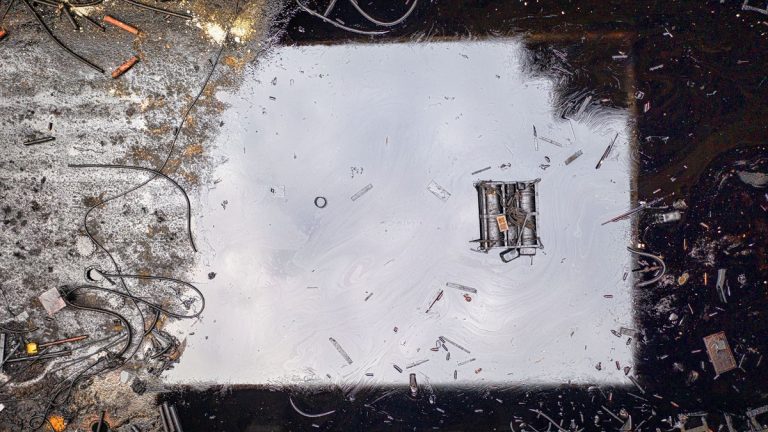
Soil erosion can leave sediment and organic material suspended in rivers, lakes and streams. These are common examples of physical contamination in the EPA framework. Fine particles can make water look cloudy, a condition often described as turbidity. Cloudiness does not identify the particles on its own. It signals that further assessment may be useful, especially when water is being prepared for drinking.
Physical material can matter beyond appearance. Suspended particles may carry other substances and they can make some treatment steps harder to manage. Heavy rain, runoff, disturbed streambanks and construction activity can all increase sediment in surface water. Watersheds with protected soil, streamside vegetation and well-managed construction sites generally have fewer loose particles washing downstream. Treatment plants measure and manage particles as part of their work, because water quality can change quickly after a storm. A clear glass is still only one clue, because many chemical and microbial hazards cannot be seen.
Chemical contaminants come from many places
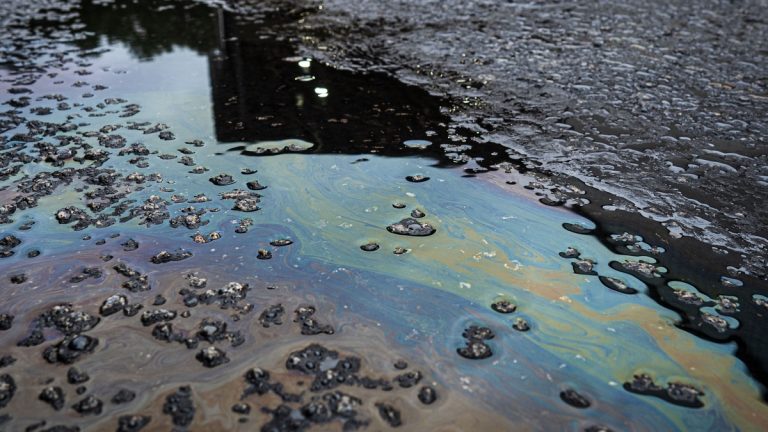
Chemicals in water have many possible origins. Some enter groundwater from natural rock and soil. Others can come from agriculture, industry and household products. Wastewater, pipes or a spill can add chemicals too. EPA’s examples include nitrogen, salts and pesticides. Metals, bacterial toxins and drugs used by people or animals also belong to this class. A category this wide needs careful follow-up. The identity and amount of a chemical determine whether it is an aesthetic concern, a treatment challenge, or a potential health concern.
Lead offers one reason sources matter. The World Health Organization notes that lead may become elevated in drinking water when it leaches from components in contact with the supply. In other places, naturally occurring arsenic or fluoride in groundwater can be the key concern. The WHO’s drinking-water fact sheet also identifies microbial contamination as a major safety risk and recognizes the health importance of some natural and human-caused chemicals. A useful sample report names the substance, gives a measured amount and identifies the standard or guidance used for comparison. Testing that fits the local source is more useful than treating every chemical as equally likely.
Biological contaminants can spread illness
Biological contaminants include bacteria, viruses, protozoa and parasites. Some are harmless, while others can cause disease when people consume contaminated water. For drinking water, human or animal waste is a serious pathway because it can carry disease-causing organisms. The WHO says microbial contamination from faeces poses the greatest risk to drinking-water safety. That risk is especially urgent where treatment, safe storage, sanitation, or regular monitoring is limited.
These microbial hazards are handled differently from sediment or a dissolved metal. Prevention can include protecting source water from waste, maintaining treatment barriers and keeping distribution systems in good repair. Monitoring may use indicator organisms alongside testing for specific pathogens when appropriate. EPA’s drinking-water standards review lists examples such as Cryptosporidium, Giardia, viruses and E. coli among the contaminants covered by federal drinking-water rules. A result from one test must be interpreted in its context, since the type of organism and the water system both affect the response. A local health authority or water supplier is the right source for advice during a suspected contamination event.
Radiological contaminants need specialized testing
Radiological contaminants are elements with unstable atoms. As those atoms change, they can release ionizing radiation. EPA lists cesium, plutonium and uranium as examples of this broad category. Radioactive material can occur naturally in rock and groundwater and it can also be associated with human activities. The presence of a radioactive element alone does not reveal the exposure level. Laboratories use specialized measurements to determine whether a result needs action.
Radiological risk is usually discussed in terms of the type of radiation, the amount present and how long a person is exposed. A test may look for a specific radionuclide or for a broader radiation measure. EPA’s standards review includes uranium, radium 226/228 and alpha or beta and photon emitters among the drinking-water contaminants it evaluates. These measurements need specialized equipment and trained interpretation. Communities rely on their applicable regulations and local geology when deciding what to monitor. Home water tests should be selected with local public-health or water-utility guidance.
Point and nonpoint sources describe the route
The four classes above describe what is in water. Point-source pollution and nonpoint-source pollution describe where pollution is released or how it travels. The U.S. Geological Survey defines a point source as pollution from one identifiable location, such as a sewage outflow pipe. A pipe, leaking tank, or discharge outlet can often be investigated as a specific source. The contaminant leaving that source can belong to any of the four classes. Mixtures can contain several classes.
Nonpoint pollution spreads across a wider area. Rain, snowmelt or irrigation can wash sediment and nutrients into water. It can also carry pesticides and other material from fields, streets and yards. The USGS water science glossary describes this as runoff picking up pollutants as it moves across land. The distinction helps communities choose solutions. A known discharge may need a direct control. Diffuse runoff calls for soil conservation and careful fertilizer use across a watershed. Vegetated buffers and stormwater management add further protection. A watershed can include farms, neighborhoods, roads and individual discharge sites at the same time. One pollutant can reach water by several routes and a single source can release more than one contaminant class. Keeping contaminant type separate from pollution source makes water-quality reports easier to read and safer decisions easier to make.