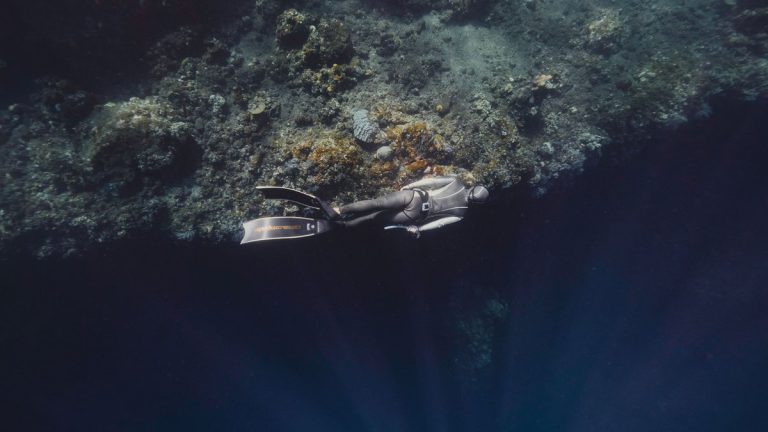
Low oxygen is usually bad news for the brain region that helps people store events, places and the fine details that separate one memory from another. A new Journal of Integrative Neuroscience study followed recreational freedivers through seven months of training and found a quieter outcome: their hippocampal volumes stayed stable and their episodic memory looked much like the memory performance seen in other athletes.
The research team examined 17 male freedivers before and after a season of training, then compared them with 20 non-freediver athletes. The central question was easy to grasp even if the methods were specialized. If accidental or disease-related hypoxia can injure the hippocampus, would repeated breath-hold training slowly leave a mark on the same brain system, or would healthy athletes adapt without a detectable cost?
The paper points to the second possibility, with an important caveat. The study found no detectable structural damage and no measurable memory decline in this group, yet a null result cannot show that every kind of adaptation has already been captured. The authors repeatedly return to that limit, because a stable MRI volume can still leave room for subtler functional changes that current scans may miss.
What the seven-month study found
The headline result was steady performance rather than decline. Across the training period, the freedivers did not show significant differences from the control athletes in the size of measured hippocampal subfields or in the memory task designed to probe them. For readers worried that repeated breath-hold practice might steadily chip away at the brain’s memory center, that is the most important finding in the paper.
Researchers also looked at how participants handled three kinds of items during a pattern separation task: identical items, similar items and new items. Both groups showed the same broad pattern. They were more accurate with identical items than with similar ones and they were less accurate with similar items than with new ones. The study therefore did not uncover a special weakness in the freedivers when the test demanded careful discrimination between closely related memories.
Another point strengthens the null result. The investigators measured the divers before the training period and again after seven months, rather than taking a single snapshot. That design gave them a direct way to look for change over time inside the same people, which is more informative than simply comparing experienced freedivers with non-divers once.
How the researchers checked the memory system
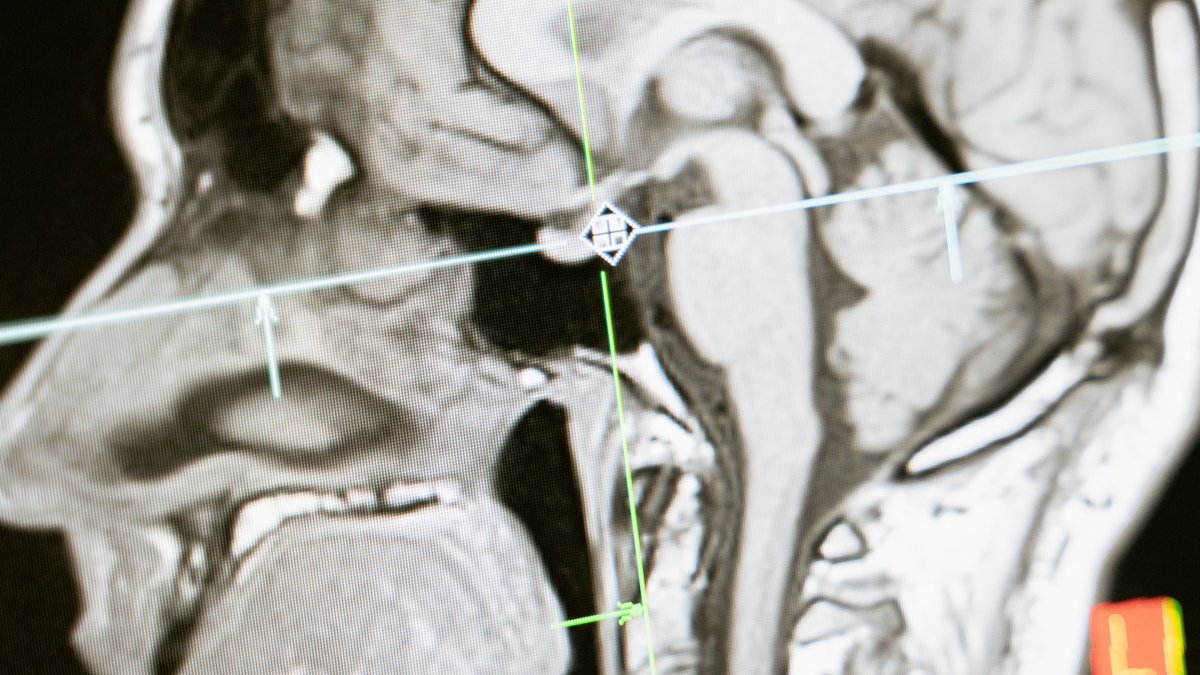
The team focused on the hippocampus, a structure long linked to forming and retrieving event memories. The paper explains that the hippocampal subfields help people separate overlapping experiences, which is why the test emphasized similar items rather than simple recall alone. A short overview from NINDS describes the hippocampus as a memory indexer and that makes the study’s target easy to understand: the researchers were checking whether repeated hypoxia might disturb the brain system that keeps memories from blurring together.
Imaging came from MRI segmentation, which let the authors estimate volumes in hippocampal subfields instead of relying on a rough whole-brain measure. They used that structural approach alongside the memory task so the study would not depend on anatomy alone. A scan can look normal while behavior slips and a behavior test can look normal while tissue changes accumulate quietly. Putting both side by side gave the paper a firmer basis for its main claim.
The memory task itself also mattered. Participants had to distinguish exact repeats from similar lures after a short delay, a setup meant to strain the brain process that keeps related experiences separate. That concern connects with broader medical worries around hypoxia. The MedlinePlus overview of cerebral hypoxia notes that brain cells are highly sensitive to oxygen loss, while the NCBI Bookshelf summary of hypoxia and hypoxemia explains how oxygen shortfall can vary from mild to severe across tissues and over time.
Why hypoxia usually worries brain scientists
The logic behind the study starts with an old medical concern. When the brain is short on oxygen, memory systems often sit near the front of the worry list because the hippocampus is especially vulnerable. Disease states and accidents can push oxygen loss into a range where cells struggle to keep working and the consequences may show up as memory trouble, confusion, or lasting injury.
Within the paper, the authors point to earlier findings from conditions such as chronic obstructive pulmonary disease, obstructive sleep apnea and high-altitude exposure. Those settings are very different from recreational freediving, yet they give the study its tension. Scientists already had reasons to suspect that repeated hypoxia could interfere with memory or trim hippocampal tissue, especially when exposure is prolonged, uncontrolled, or linked with illness.
Freediving therefore creates an unusual natural experiment. The oxygen stress is voluntary, intermittent and paired with physical training rather than disease. That does not make the risk disappear, but it changes the context enough that the outcome could go in either direction. A background paper in NIH’s PubMed Central describes how hypoxia can alter synaptic signaling, which helps explain why researchers wanted direct evidence from healthy divers rather than simple extrapolation from clinical populations.
Why freedivers may hold steady
The discussion section offers a careful explanation for why the divers may have come through the season without measurable harm. Voluntary hypoxia in training is controlled and intermittent and it happens alongside regular exercise. The authors suggest that exercise-related plasticity could help the hippocampus stay resilient even while oxygen levels drop during breath-hold work.
Physical training is already known to support brain health in many contexts and the paper leans on that literature rather than claiming a dramatic new protective mechanism. The authors also note that moderate hypoxia during exercise has been linked in earlier studies to improved plasticity and neurotransmitter responses, while severe hypoxia can do the opposite. In that framework, recreational freediving may sit inside a range where stress is strong enough to provoke adaptation but not strong enough to leave gross damage visible on MRI.
Psychology enters the story in a narrower way than the title might suggest, but it is still important. The study tested whether divers preserved the mental ability to separate one similar experience from another after training. The answer stayed stable. Freedivers handled those near-match memory judgments much like the control athletes, which means the paper found no detectable shift in a core memory discrimination process tied to the hippocampus.
What the null result can and cannot mean
A stable result is useful, but the study does not close the subject. The sample was small, all participants were male and all were recruited from the same French region. Other training routines could behave differently and athletes with different experience levels may not respond in the same way. The authors also say their imaging approach may miss subtle functional connectivity or microstructural changes that do not show up as a simple volume loss.
Later work could therefore push in several directions without changing the value of this paper. More sensitive scans, metabolic measures, cerebrovascular tests and longer follow-up might reveal hidden adjustments in how the hippocampus works under repeated breath-hold stress. The team even raises the possibility that carefully calibrated intermittent hypoxia could have therapeutic relevance one day, although that idea remains speculative and far beyond what this study alone can establish.
For now, the strongest conclusion is modest and clear. In this seven-month sample of recreational athletes, repeated voluntary hypoxia from freediving training did not produce detectable hippocampal shrinkage and it did not erode performance on an episodic memory task built to challenge fine-grained discrimination. That is reassuring for the group studied, while the caveat stays in place: no detectable harm on these measures is a narrower statement than proof that the brain undergoes no adaptation at all.