Explainer

RSS Feed
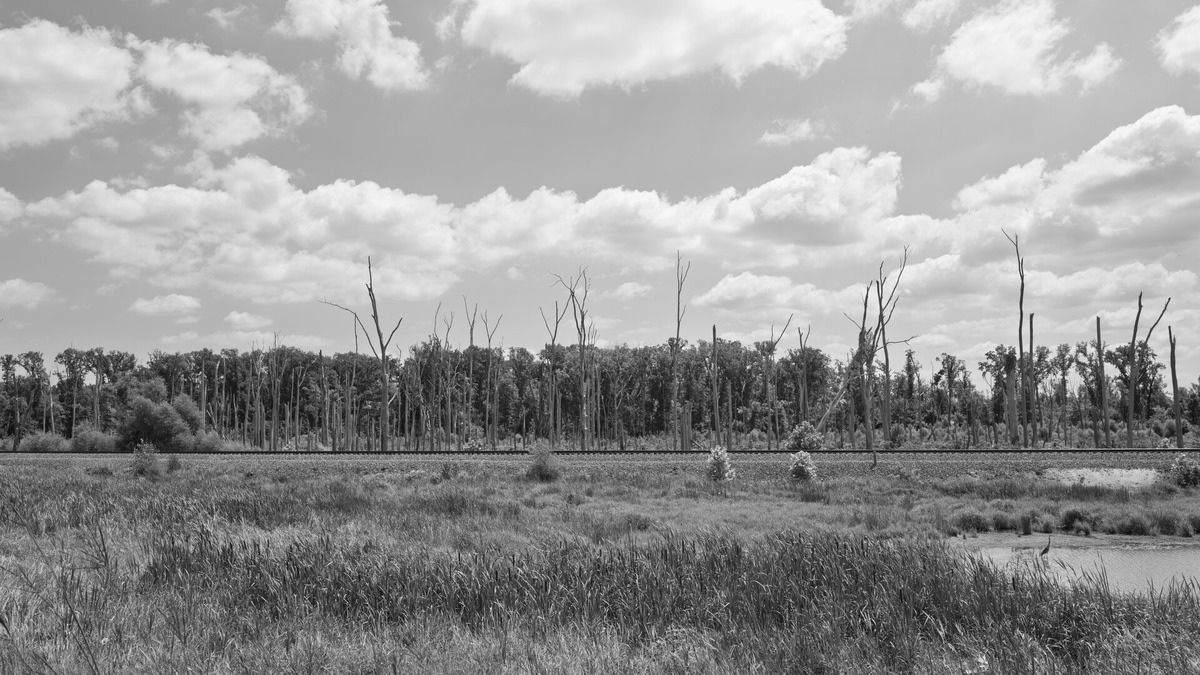
A wetland in the Great Lakes drainage basin

Habitat Loss in the Great Lakes

Habitat loss in the Great Lakes has removed or degraded coastal wetlands, tributary connections, shallow reefs, beaches, dunes, forests and other places that native species use. Filling and draining converted large areas outright. Dams, hardened shorelines, polluted sediment, invasive species and altered water or sediment movement have reduced the ecological function of habitat that remains.…
More

More in Explainer

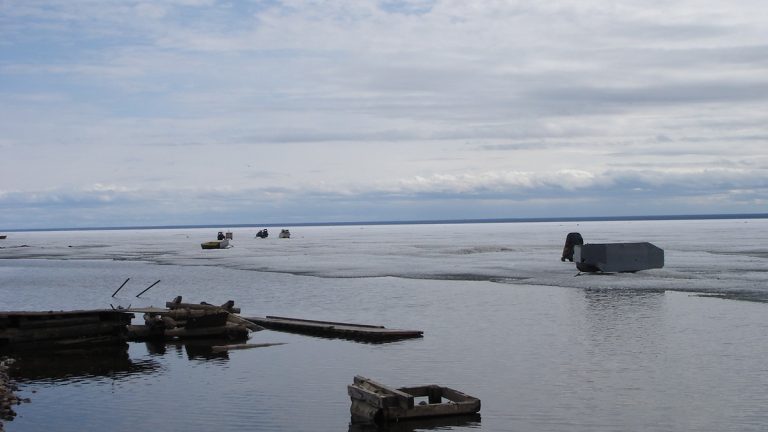
Great Bear Lake in Canada's Northwest Territories

How Deep Is Great Bear Lake?

Great Bear Lake reaches a recorded maximum depth of 446 meters, or about 1,463 feet. That deepest known water lies in McTavish Arm near Port Radium, on the lake’s eastern side. The figure describes a measured maximum, not a typical depth across the enormous lake. Canada’s official sailing directions say Great Bear Lake has not…

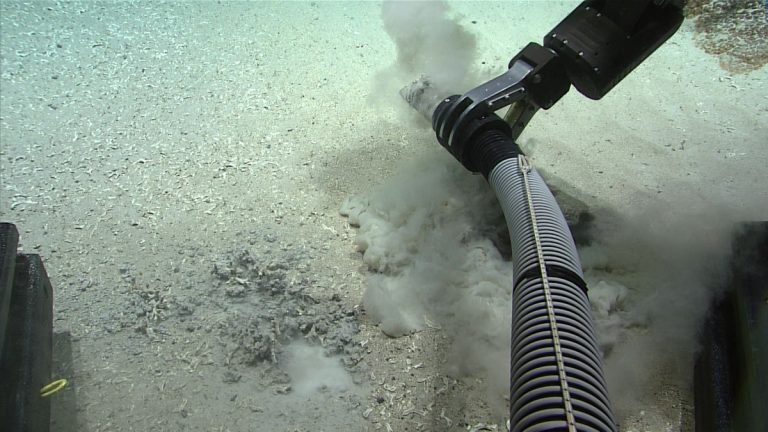
A NOAA remotely operated vehicle sampling sediment on the ocean floor

What Is Ocean Floor Sediment Made Of?

Ocean floor sediment is made of mineral grains eroded from land, microscopic remains of marine organisms, minerals that form in seawater or within sediment, volcanic material and tiny amounts of extraterrestrial dust. The mixture changes dramatically with distance from shore, water depth, biological productivity, currents, climate and the age of the seafloor. There is no…

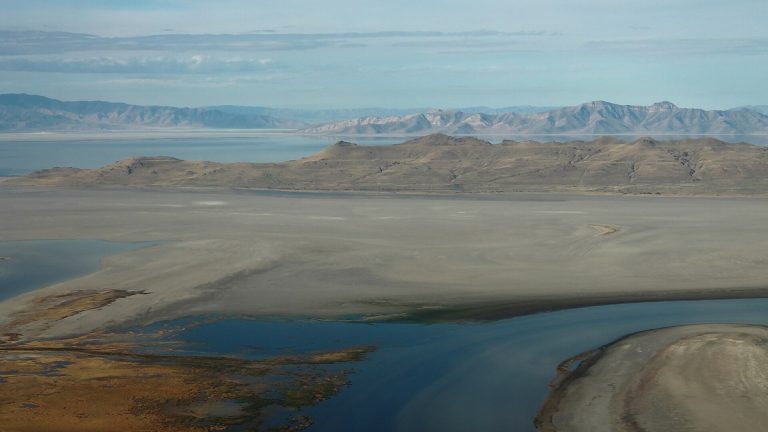
Aerial view of the Great Salt Lake in Utah

What Are Saltwater Lakes and How Do They Form?

Saltwater lakes, more precisely called saline lakes, are inland bodies of water containing elevated concentrations of dissolved salts. Most form in closed drainage basins where streams carry dissolved minerals into a lake but no river carries them onward to the ocean. Water leaves mainly through evaporation, while salts remain and become concentrated. Yes, saltwater lakes…