A study in Ecotoxicology and Environmental Safety found that chronic exposure to low doses of sulfoxaflor can alter gene activity, reduce reproduction and change behavior in the common eastern bumblebee. The findings give scientists a closer look at how a widely used insecticide may affect pollinators at the molecular level.
Researchers at the Georgia Institute of Technology studied worker bumblebees after 21 days of exposure to sulfoxaflor-treated sugar water. The team then examined the bees’ tissues, reproductive development, egg production and behavior. Their results point to a chain of effects that begins inside cells and can spread outward to the colony.
That chain matters because bees support many fruits, vegetables and seed crops. A chemical that disrupts reproduction in bumblebees could have consequences beyond the lab. Pollination depends on healthy colonies, enough workers and steady production of new bees.
A low dose with deep effects
Sulfoxaflor is used to control sap-feeding agricultural pests, including aphids. It has become part of modern crop protection because it can help farmers manage insects that damage valuable plants. The Georgia Tech study focused on the effects of sublethal sulfoxaflor exposure, meaning the exposure level was designed to reveal hidden biological effects rather than immediate death.
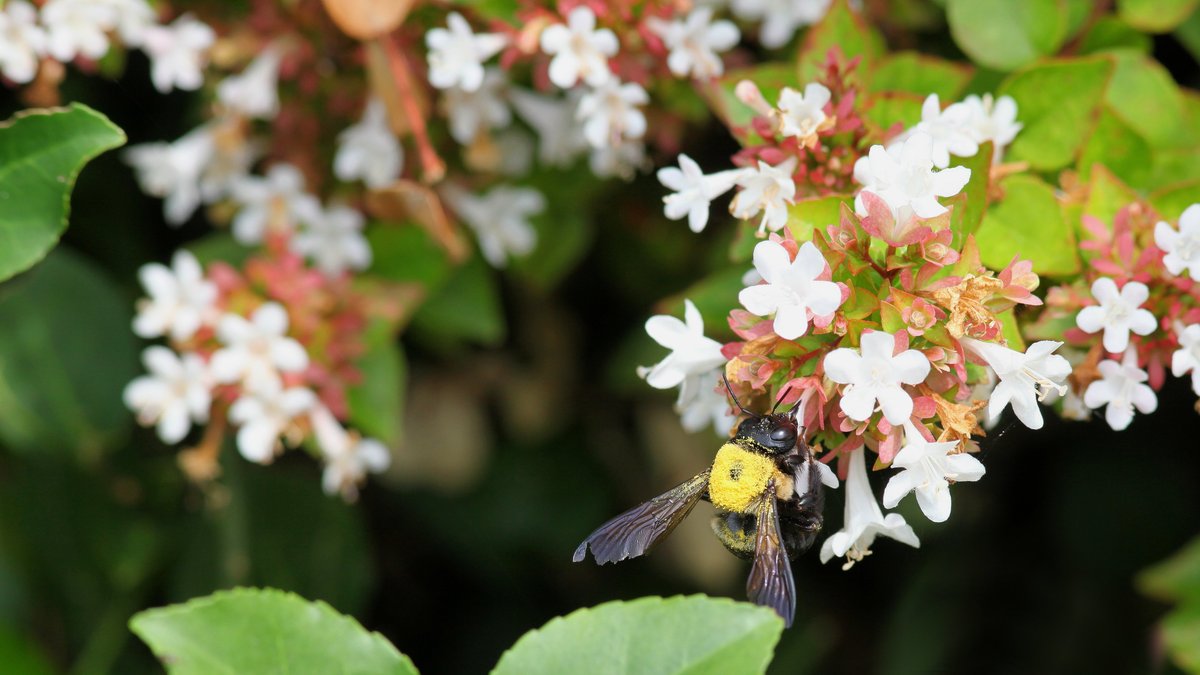
The researchers worked with Bombus impatiens, the common eastern bumblebee. This species is widely used in research because it is an important pollinator and can be studied in controlled microcolonies. In the experiment, worker bees were fed sugar water containing sulfoxaflor for 21 days.
After that exposure period, the team measured several levels of bee biology. They looked at RNA to see which genes were more or less active. They also examined ovaries, counted eggs, tracked behavior and assessed nest construction. This broad design helped connect molecular changes to physical and colony-level outcomes.
Michael Goodisman, a professor in the School of Biological Sciences at Georgia Tech, said the value of the work comes from that connection. “That type of connection is rare and gives us a much clearer picture of how pesticides affect bees.”
Ovaries showed the strongest genetic response
The most striking signal appeared in the bees’ reproductive tissue. Transcriptomic analysis showed extensive changes in gene expression in the ovaries of exposed bees. Brain tissue showed far fewer changes by comparison, suggesting that the reproductive system was especially sensitive under the conditions tested.
Gene expression is the process cells use to turn genetic instructions into activity. When gene expression changes, a tissue may shift the way it grows, repairs itself, produces proteins, or performs its usual job. In this study, the strongest changes appeared in pathways tied to ovarian gene expression and reproductive development.
The researchers reported that exposed bees showed increased activity in cellular signaling pathways. At the same time, genes associated with oogenesis and mitosis were reduced. Oogenesis is the process of egg formation. Mitosis is cell division, a basic requirement for growth and tissue maintenance.
The study also found reduced tissue-biased gene expression. In plain language, tissues seemed to lose some of the genetic patterns that help them keep their specialized identities. For a reproductive organ, that kind of disruption could interfere with the careful timing and coordination needed to make eggs.
Fewer eggs and altered bee behavior
The molecular findings lined up with visible changes in reproduction. Worker bees exposed to sulfoxaflor had disrupted ovarian development and produced significantly fewer eggs. That result suggests that changes inside reproductive cells were reflected in measurable effects on bee physiology.
The study also found behavioral changes. Exposed bees showed increased stinging behavior and reduced leg-lifting behavior. These patterns may sound small, yet behavior is central to the functioning of social insects. A colony depends on coordinated activity, including feeding, nest building, defense and brood care.
The effects also appeared at the microcolony level. Exposed microcolonies consumed less sugar water and showed impaired nest construction. Nest building is a practical measure of colony function because bumblebees need organized nest structures to rear young.
Together, the findings suggest that bee reproduction and behavior can shift after chronic pesticide exposure. The study did this by combining tissue analysis, physiology and behavioral observation. That layered approach helps reveal effects that a single endpoint could miss.
Why pollination could feel the impact
Many crops depend on bees moving pollen from flower to flower. That service can look effortless in the field, yet it depends on large numbers of active insects. If colonies produce fewer offspring, future worker numbers can fall. That creates a direct route from reproductive stress to weaker pollination.
Sarah Orr, who led the research as a postdoctoral fellow at Georgia Tech and now works as an assistant professor at the University of Tampa, put the concern simply. “If they’re not producing enough offspring, pollination will decline.”
The study centered on worker bumblebee microcolonies. That controlled setup allowed the researchers to isolate biological responses to sulfoxaflor exposure. Field conditions can be more complex, with changing weather, food availability, pathogens and other chemicals all shaping colony health.
Even with that limitation, the work adds important detail to the pollinator-health picture. It shows how an agricultural chemical can affect reproductive tissues, egg production, behavior and nest activity in one connected study. For scientists, those links are valuable because they help explain how small molecular changes can become ecologically meaningful.
Bumblebees face several pressures at once. Pesticides are one piece of a larger puzzle that also includes habitat loss, parasites, disease, rising temperatures and extreme heat events. Understanding each pressure helps researchers identify where protective measures could make the biggest difference.
The farming balance researchers are trying to solve
Agriculture relies on pest control to protect yields. At the same time, agriculture relies on pollinators to help crops reproduce. Sulfoxaflor sits at the center of that tension because it targets damaging insects while also raising concerns for beneficial bees.
Orr described the challenge in practical terms. “We need pesticides to control crop pests, but they can also harm essential non-target insects like bumblebees.” Her goal, she said, is to find workable solutions that support pest management while also protecting beneficial insects and the food systems that depend on them.
The study does not argue that farmers can simply abandon pest control. It points to the need for better information about how specific chemicals affect pollinators across multiple levels of biology. That includes molecular processes, reproductive success, behavior and colony performance.
One useful next step is refining how pesticide risks are evaluated. A compound may cause subtle harm that becomes visible only after longer exposure or after researchers examine tissues in detail. Tools such as RNA analysis and machine-learning tracking can help reveal those hidden effects with more precision.
For pollinator protection, the central question is how to preserve crop yields while reducing harm to bees. Studies like this one give regulators, farmers and scientists clearer evidence to work with. The result is a more detailed view of how pollinator health can be shaped by chemicals used in the landscapes bees visit every day.