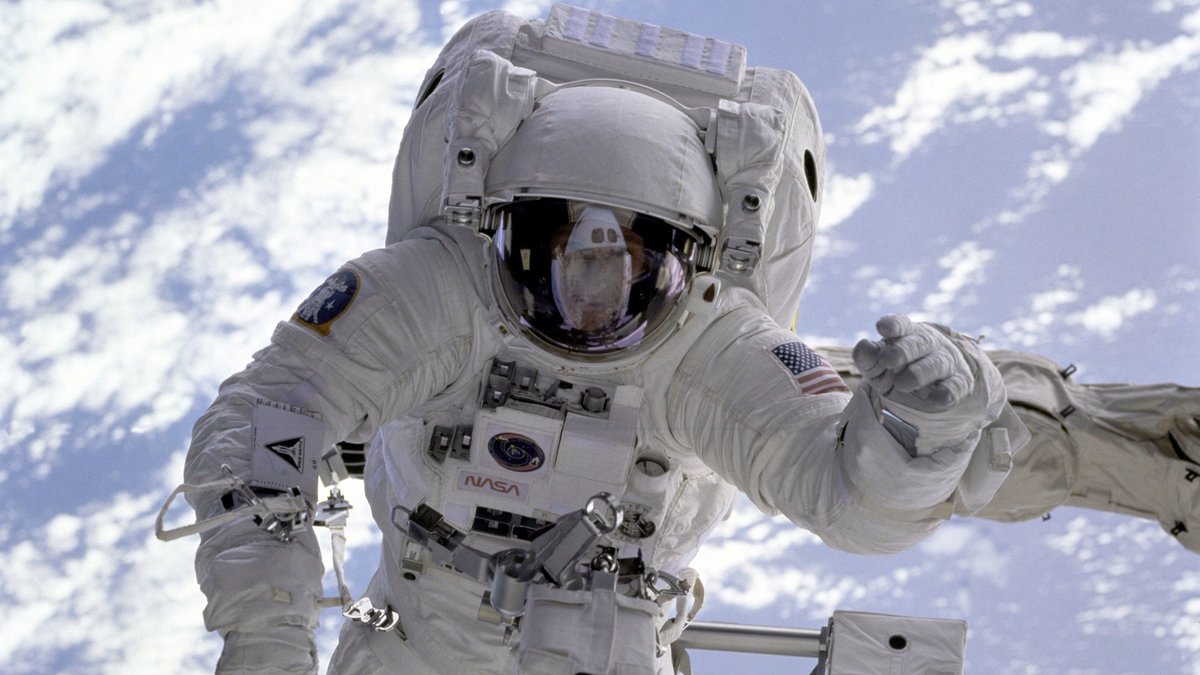
One hundred twenty-five astronaut autobiographies, interviews and oral histories gave researchers an unusual way to study human behavior after spaceflight. Instead of asking astronauts to fill out one more survey, the team examined the stories they told about themselves. The pattern they reported was clear. Before flight, astronauts most often emphasized values tied to individual ambition and personal choice. After flight, their public narratives gave more room to broader concern for other people, spiritual reflection and the kind of public standing that comes with becoming a space veteran.
The work came from Peter Suedfeld, Katya Legkaia and Jelena Brcic in a 2010 Journal of Personality study. Their paper did not claim that every astronaut changed in the same way or that spaceflight rewrote private beliefs from the ground up. It showed something narrower and still important: after returning to Earth, astronauts as a group referred more often to values linked with the collective good than they had before flight.
For readers interested in space psychology, the study matters because space travel is a physical event and also a story-making event. Astronauts come home and explain what the mission meant, what Earth looked like from orbit and how they place themselves inside a larger human project. Those choices of emphasis do not reveal everything about a person, but they do show which values rise to the surface when people describe one of the most unusual experiences humans can have.
What 125 astronaut narratives revealed
The sample was broad by the standards of human spaceflight research. The authors drew from astronauts and cosmonauts from many nations, included men and women and covered people whose missions belonged to different chapters in the history of space travel. That range matters because it reduces the chance that the result came from one national program, one era, or one narrow occupational culture.
Across that large set of life stories, the strongest preflight emphasis fell on individualistic values. The paper says value references showed a high degree of concern with individualism, with Achievement, Enjoyment and Self-direction ranked highest. In plain language, astronauts often described striving, competence, enjoyment of the experience and independence in action or judgment. Those themes fit a profession that rewards discipline, risk tolerance, technical skill and the confidence to perform in hard conditions.
After returning from space, the balance of values shifted. The authors reported greater concern with Universalism, Spirituality and Power understood here as social recognition. Universalism points toward concern for humanity and the wider world. Spirituality points toward reflection on meaning, connection, or transcendence. Social recognition points toward public standing and the visible role astronauts take on once they become symbols of national achievement and human exploration. The paper also found relatively few value differences across demographic categories, which the authors interpreted as evidence that the spaceflight experience itself carried substantial weight.
How the researchers pulled values from space memoirs
The study used content analysis, a method that scores themes in written or spoken material rather than relying on a direct questionnaire. According to the paper’s abstract, the researchers coded references to values in memoirs, interviews and oral histories using the Schwartz system that had already been tested in two pilot studies of space veterans. The method let the team compare how often certain values appeared before flight and after flight across a much larger body of narrative evidence.
The Schwartz value framework matters here because it gives the study a stable language for comparing many different stories. Instead of reading an astronaut memoir and relying on a vague impression, the coders looked for references that fit named value domains. When an astronaut stressed mastery, challenge, or personal success, those lines could support Achievement. When a narrative emphasized independence, the reference could count toward Self-direction. When the speaker widened the lens toward humanity, nature, or a shared future, the language could support Universalism.
Narrative evidence has a special strength in a subject like astronaut life. Space travelers are rare, scattered across nations and separated by decades of technology and politics. Public stories preserve what they chose to remember and repeat. At the same time, narrative evidence is selective by nature. A memoir is a polished public act, an interview is shaped by the setting and an oral history often comes after years of reflection. The study therefore measures patterns in self-description, which is valuable, while stopping short of a direct brain scan or a private diary record taken moment by moment.
Why postflight stories leaned toward the collective good
The paper does not prove a single mechanism, yet its pattern fits a human intuition that many people already bring to astronaut accounts. Going into orbit and then returning to describe that experience can widen the frame through which a person talks about life. A profession built around elite performance may still produce narratives that move outward after flight, from personal accomplishment toward shared human stakes. The result is an association, carefully reported, between spaceflight and a broader public moral vocabulary.
Another part of the shift is easier to picture in social terms. An astronaut who comes home is no longer only a pilot, engineer, scientist, or military officer. That person often becomes a witness for the mission and a public representative of exploration. The rise in references to social recognition fits that postflight role. It does not mean astronauts became status seekers in a simple sense. It means their narratives more often included the public dimension of having flown in space and then speaking from that elevated position.
The study’s finding of few demographic differences strengthens the behavioral point. If men and women, people from several nations and veterans from different moments in space history still converged on roughly similar value patterns, then the common experience of spaceflight may have outweighed some of the social differences readers might expect to dominate the record. A related pilot study had already explored value hierarchies before and after missions and the 2010 paper extended that work to a much larger pool of narratives.
What the findings can and cannot tell us
The result is intriguing, but the limits deserve equal attention. The researchers did not follow one set of astronauts with repeated surveys from preflight through old age. They read public materials that had already been produced. That means the paper cannot cleanly separate personal change from editing choices, memory, audience expectations, or the simple fact that people speak differently once they have become famous. The pattern is still meaningful, yet it remains a pattern in narratives rather than a direct measure of inner belief at every stage.
Method also sets a boundary around causation. The abstract says astronauts showed increased concern with certain values after returning and the authors treated the relative lack of demographic differences as evidence of the impact of spaceflight experience. Readers should keep the wording careful. The study supports an association between flight experience and the values astronauts emphasized in public accounts. It does not prove that orbit by itself produced each shift, how large the private change was, or how long it lasted once the public attention of a mission had faded.
Even with those limits, the paper remains useful because it asks a practical question that space agencies will keep facing. What kinds of experiences and meanings do crews carry home from missions and how might those meanings influence later leadership, outreach, or crew culture? More recent work, including a later astronaut-values study, shows that researchers are still trying to understand how values, interpersonal tension and social perspective interact in space settings. The 2010 paper’s core contribution is simple and durable: when 125 space veterans told the story of their lives, postflight narratives gave more room to humanity, reflection and the public role of speaking after spaceflight.