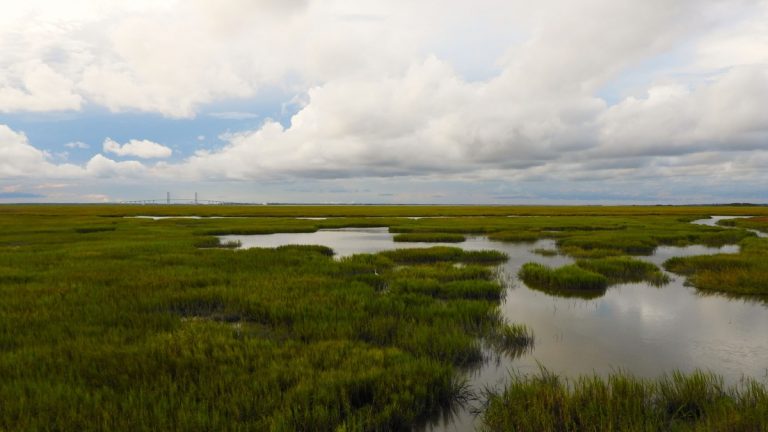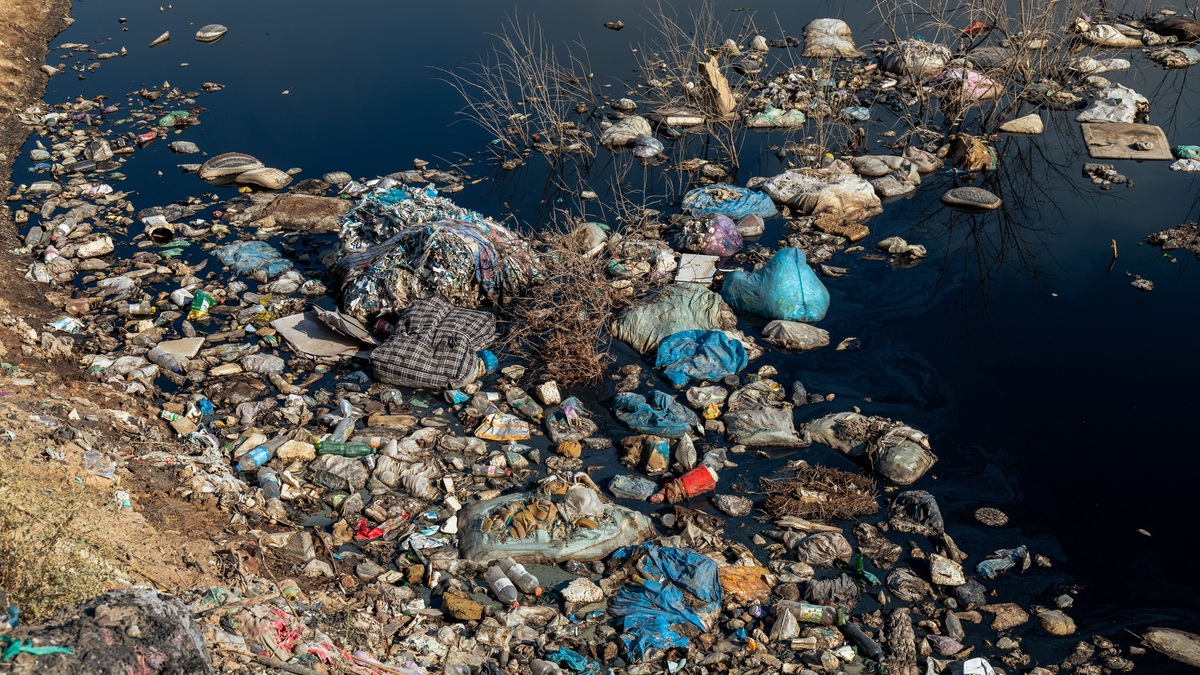
The biggest source of ocean pollution is not a single pipe, ship or offshore accident. It is pollution that begins on land and reaches the sea through runoff, rivers, drains and the atmosphere. Among those pathways, nonpoint source pollution is especially important because it gathers contaminants from many scattered places.
NOAA estimates that about 80 percent of marine pollution comes from land. Its explanation of the largest source of ocean pollution identifies diffuse runoff as a leading contributor. Rain and melting snow wash material from developed land and farms into waterways. Eroding soil can join the flow before it reaches the coast.
The word “nonpoint” describes how the pollution arrives, not how serious it is. A discharge pipe has a traceable outlet. Runoff may collect oil or fertilizer across an entire watershed, often together with sediment. By the time those loads reach an estuary, their combined effect can be large.
Scientists describe pollution by both source and pathway. A contaminant may begin on a roadway or construction site, then enter fresh water before reaching the coast. Lawns provide another origin. Managing only the final river outlet would miss the land practices that created the load. Watershed management works upstream, where many pollutants can still be intercepted.
Most ocean pollution begins far from the shore
A watershed connects inland landscapes to coastal water. Water falling on a parking lot may enter a storm drain and then a creek. Water crossing a field can carry loose soil or nutrients into a river. Neither trip needs to begin within sight of the ocean.
The Environmental Protection Agency’s definition includes runoff from rain or snowmelt, atmospheric deposition, drainage and seepage. It contrasts these diffuse inputs with discharges from identifiable facilities such as wastewater plants.
Rivers concentrate pollution collected over large areas. The coast therefore receives the environmental history of the basin upstream. Land cover and road density influence what the water carries. Farming practices affect the load, while rainfall controls when much of it moves.
Runoff carries several different pollutants at once
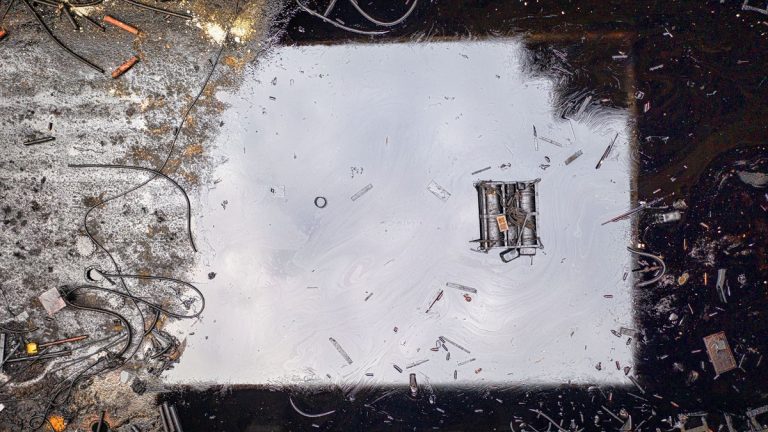
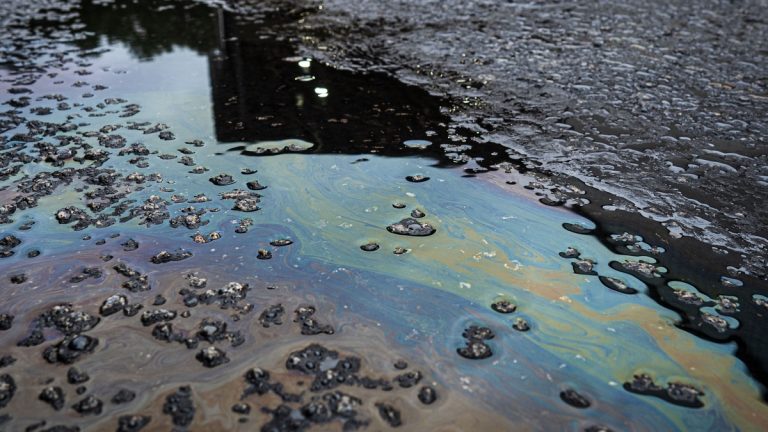
Urban runoff can pick up motor oil and particles shed by tires. Metals deposited on pavement may enter the same flow. Litter moves through gutters during storms and untreated stormwater can carry those materials toward coastal waters.
Agricultural water can transport excess nitrogen and phosphorus from fertilizer or manure. The EPA notes that farm and city runoff is a major nutrient source for rivers, lakes and coastal waters. Nutrients are necessary for life, but excessive loads can fuel dense algal growth.
Excess sediment is also a serious pollutant when erosion sends too much soil into water. Suspended particles reduce light and can cover bottom habitat after settling. Soil may also carry attached nutrients or chemicals, extending the effect beyond the mud itself.
Airborne contaminants provide another land-linked route. Compounds released by traffic or industry can settle directly on the ocean, or fall on land and later wash into waterways. The many routes explain why ocean pollution cannot be reduced only by policing coastlines.
Nutrients can create low-oxygen coastal water
Phytoplankton respond quickly when an estuary receives abundant nitrogen or phosphorus. A bloom can temporarily color the water and block light from submerged plants. When the organisms die, bacteria consume oxygen while decomposing the organic matter.
Low dissolved oxygen stresses animals and may create a seasonal “dead zone.” NOAA tracks this process in the Gulf of America and other coastal systems, where river-borne nutrient loads interact with warm water and stratification.
The result depends on more than the quantity of nutrients. Water depth affects whether oxygen can be replaced, as do circulation and temperature. A heavily flushed coast may respond differently from a sheltered bay receiving the same load.
Marine debris follows its own pathways
Plastic waste is the most visible form of land-based pollution, yet it is not one uniform material. Packaging and other lost consumer items can travel through storm drains, including bottles. Larger objects break into fragments under sunlight and physical abrasion, producing microplastics that are harder to remove.
The NOAA Marine Debris Program explains that debris reaches water through littering, poor waste management and storm events. Fishing activity contributes abandoned or lost gear directly at sea, from rope to nets. The balance between sources varies by region.
Plastic can entangle animals or be mistaken for food. Its effects depend on size and shape, while chemical composition also plays a role. Counting pieces alone cannot describe every biological risk.
International estimates often measure annual plastic leakage, but those figures use different definitions and model assumptions. The United Nations Environment Programme treats prevention across the plastic life cycle as essential because cleanup cannot capture everything already dispersed.
Marine debris deserves sustained attention, but it should not obscure nutrient pollution, pathogens or toxic contaminants. Different pollutants require different remedies. A litter trap cannot reduce fertilizer loss and a wastewater upgrade will not retrieve abandoned fishing gear.
Pollution damages health, habitat and coastal economies
Contaminated runoff can introduce bacteria or viruses that close swimming beaches and shellfish beds. NOAA reports that coastal pollution has adversely affected more than one-third of U.S. shellfish-growing waters. Closures protect consumers, although harvesters bear economic costs that can extend through coastal communities.
Turbid water limits the sunlight available to seagrass. Excess sediment can smother reefs or spawning habitat. Oil and toxic compounds may harm organisms directly. Oxygen loss changes the habitat available to fish and mobile invertebrates.
Reducing ocean pollution starts across the watershed
Because runoff has many origins, control measures work best in combination. Farms can apply nutrients closer to crop demand and keep vegetated buffers along waterways. Construction sites can hold disturbed soil in place. Cities can maintain drains and reduce the amount of rain that rushes across pavement.
Green infrastructure gives stormwater room to soak into soil or pass through vegetation. Rain gardens and permeable surfaces slow the flow, while restored wetlands can retain some pollutants. The EPA provides green infrastructure guidance for communities adapting these methods to local conditions.
Wastewater treatment remains important even though regulated pipes are not the largest category. Modern treatment reduces identifiable discharges when paired with industrial controls. Septic maintenance addresses another part of the system. Policies aimed at plastics can improve product design and collection before waste escapes.
The practical answer to the question is therefore both simple and broad: land-based diffuse pollution is the largest source and rain often supplies the transport. Cleaner oceans depend on decisions made throughout the watershed, including places many miles from salt water.
The largest source varies with the question being asked
Statements about the “biggest” source can appear contradictory when they measure different things. One estimate may compare land and ocean origins. Another may count plastic objects, while a third ranks nitrogen loads within a particular estuary. Researchers must state the unit and pollutant, along with the geographic scale, before two results can be compared.
Direct ocean sources remain locally important. Vessel discharges or offshore extraction can dominate a specific incident, while lost fishing gear may dominate a habitat. The NOAA ocean pollution tutorial describes point sources alongside diffuse pollution and explains how contaminants move through coastal systems. Calling runoff the largest broad source does not make other sources negligible.
Monitoring also influences what can be counted. Agencies can measure nutrient concentrations and stream flow to estimate loads, but tracking every fragment of plastic or pulse of bacteria is harder. Sampling must cover storms because a large share of an annual load can move during a few intense events. Dry-weather samples alone can understate the amount transported through the watershed. Prevention is most effective when it targets the local pathway, supported by measurements that show whether conditions improve after a policy or restoration project.
Related reading: how nutrient pollution reaches water and the most common litter found in the ocean.