Water

RSS Feed

Water science news, explainers, and statistics covering freshwater, hydrology, lakes, rivers, groundwater, ice, and Earth’s connected water systems.

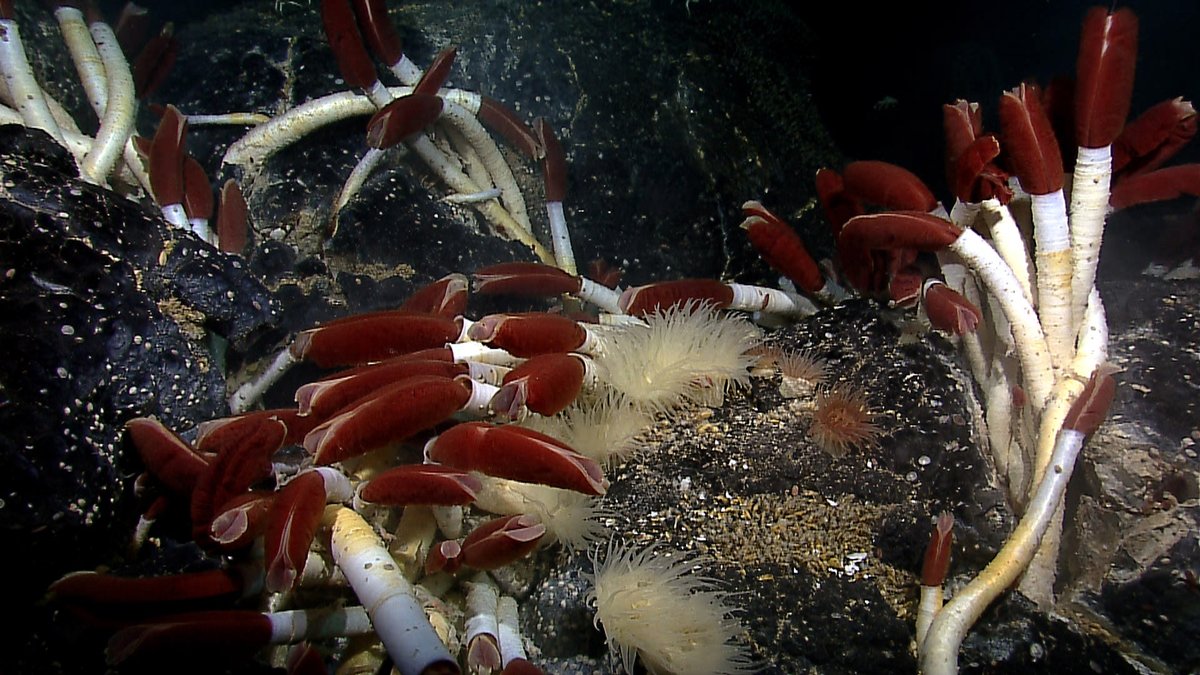
Tubeworms and other animals at a Galapagos Rift hydrothermal vent field

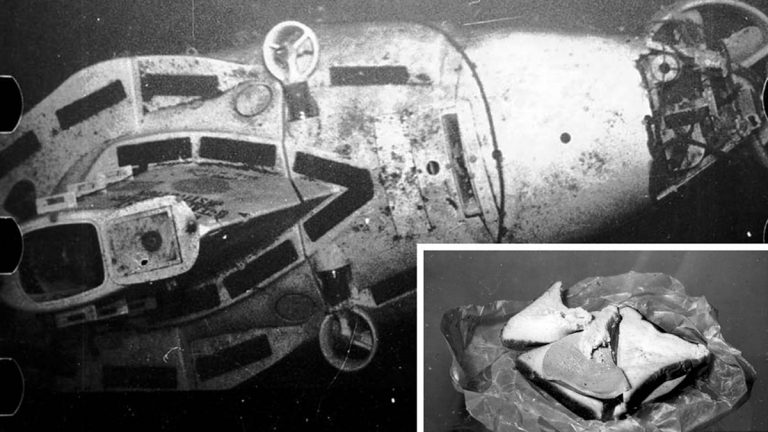
In 1977 scientists descended to the Galapagos Rift and found a deep-sea ecosystem living without sunlight, rewriting the rules of life on Earth

The 1977 Galápagos Hydrothermal Expedition sent geologists into a dark stretch of Pacific seafloor and revealed warm, mineral-rich water escaping from fresh lava. Around those openings, the team found dense communities of clams and other animals. The discovery showed that a productive food web could be powered by chemistry far below the reach of sunlight.…
More

More in Water

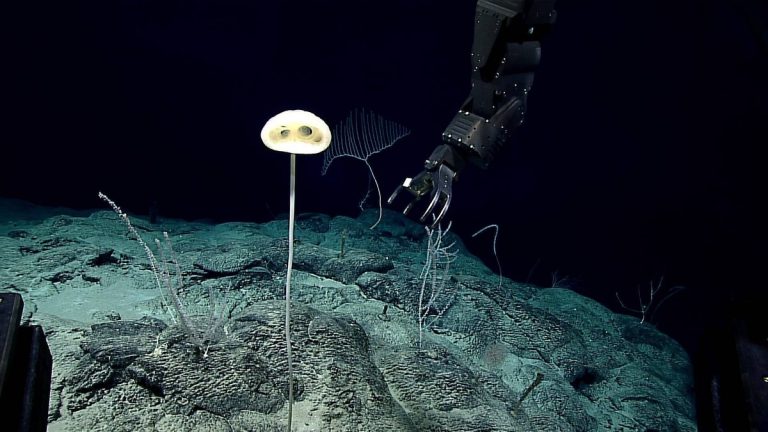
Advhena magnifica glass sponge on the deep Pacific seafloor

11 strange Pacific Ocean finds, formations, and phenomena

NOAA Ocean Exploration identified the much-discussed golden orb found near Alaska in 2026 as the basal remnant of the giant anemone Relicanthus daphneae. That answer captures the appeal of Pacific exploration. The ocean holds discoveries from sunlit coastal water to the deepest trench. They include wrecks, weather events, animal behavior and legends that deserve careful…

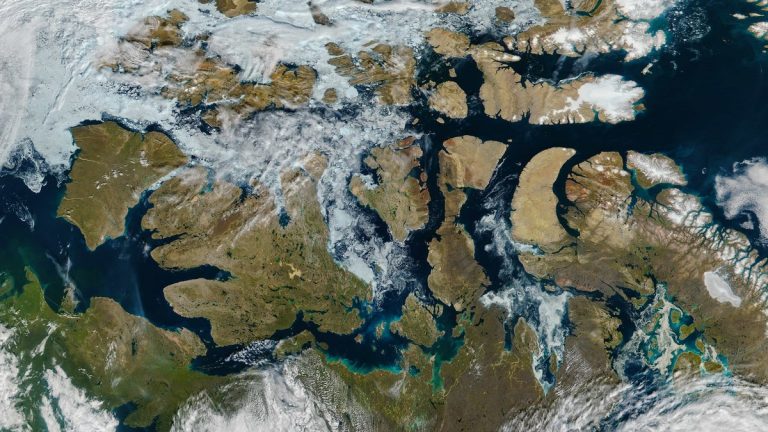
Satellite view of the intricate Canadian Arctic Archipelago coastline and Northwest Passage

Countries with the longest coastlines: why rankings differ

A World Bank report presents one country table for coastline length and credits The World Factbook for its figures. Using that single Factbook-cited table keeps the full top-ten comparison on one basis. Canada ranks first at 202,080 kilometers. Indonesia and Norway follow. The totals reveal how islands, fjords and map choices shape the apparent size…

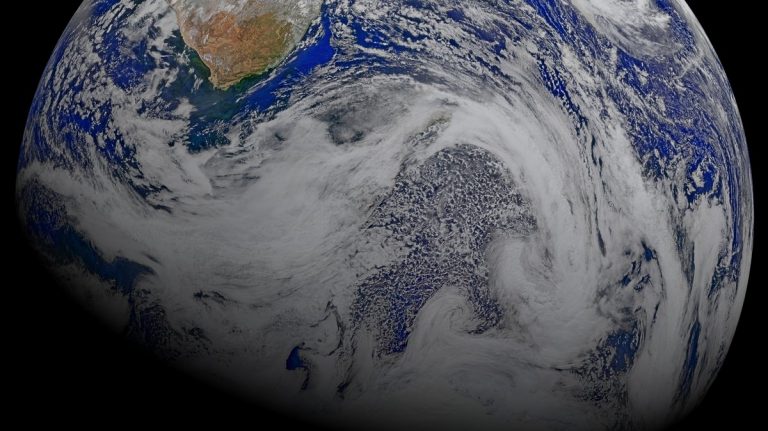
Satellite composite showing the Indian, Atlantic, and Southern oceans around southern Africa

Earth’s five oceans ranked by size

The NOAA Ocean Service describes one connected body of seawater divided into five named ocean basins. The Pacific comes first and the Arctic comes last. The Atlantic, Indian and Southern oceans occupy the middle places. For a consistent comparison, every area below follows the same archived World Factbook five-basin convention. It treats the named open-ocean…