Water

RSS Feed

Water science news, explainers, and statistics covering freshwater, hydrology, lakes, rivers, groundwater, ice, and Earth’s connected water systems.

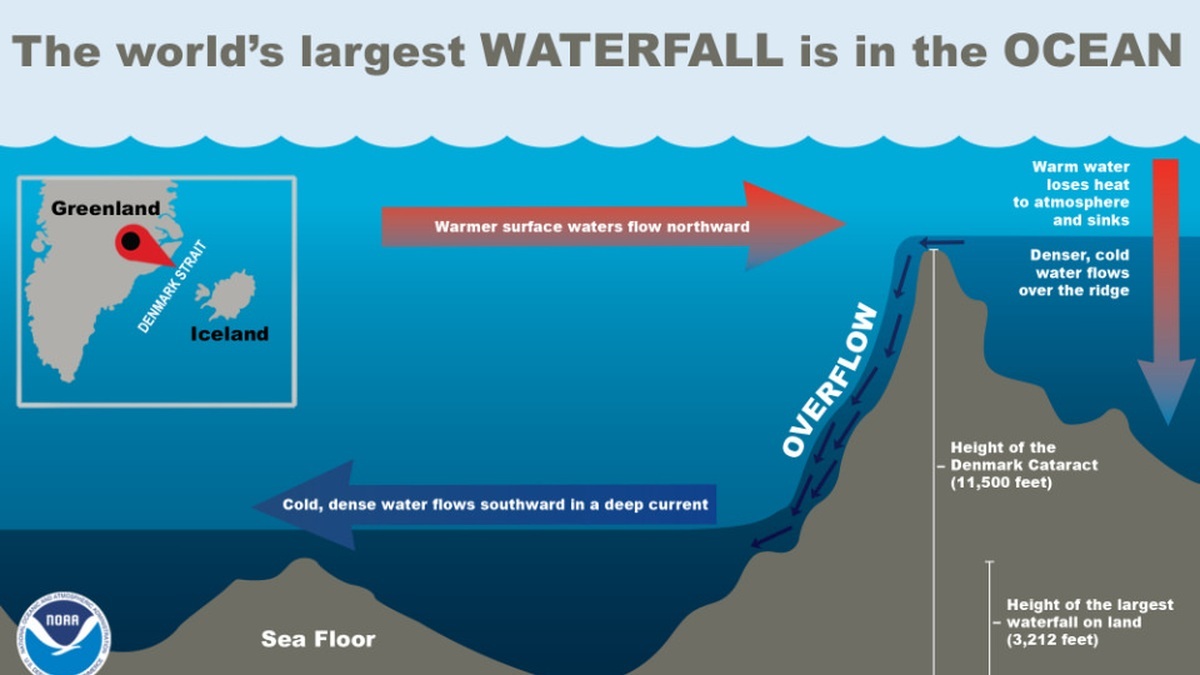
NOAA diagram showing the underwater waterfall beneath the Denmark Strait

Where Is Earth’s Largest Waterfall?

The largest waterfall on Earth never breaks the ocean surface. It pours through the Denmark Strait between Greenland and Iceland, where a hidden wall of cold water descends along the seabed. The drop reaches roughly 11,500 feet, more than three times the height of Angel Falls and the flow carries far more water than any…
More

More in Water

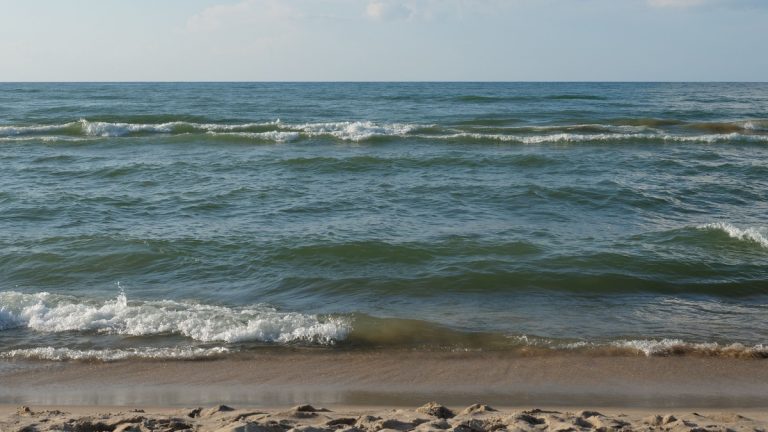
Waves_breaking_on_a_rocky_great_lakes_shore

Do the Great Lakes Have Tides?

The Great Lakes rise and fall under the Moon and Sun, just as the ocean does. The effect is so small, however, that weather usually hides it. Astronomical tides across the lakes measure less than about two inches, while a strong wind can push water several feet toward one shore. For navigation and shoreline planning,…

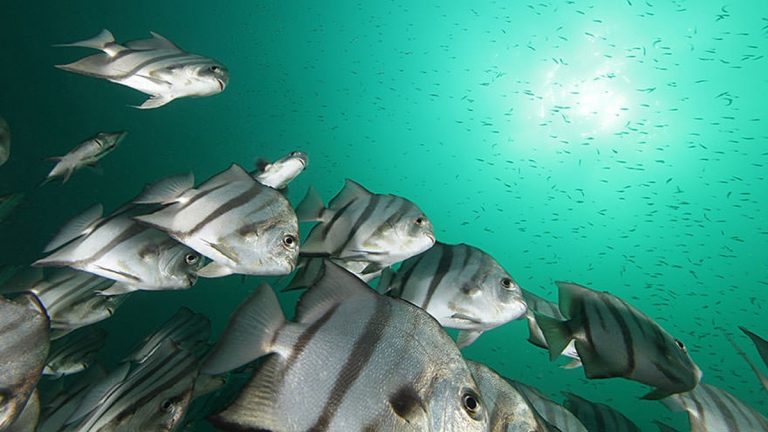
A school of spadefish at Gray's Reef National Marine Sanctuary

How Do Scientists Count Marine Life?

Scientists count marine life by combining direct surveys, catches, cameras, acoustic instruments, environmental DNA, tags and statistical models. No method observes every organism. A reliable census estimates the portion missed and matches the tool to the species, habitat and question. NOAA’s overview of the marine census points to the international Census of Marine Life, which…

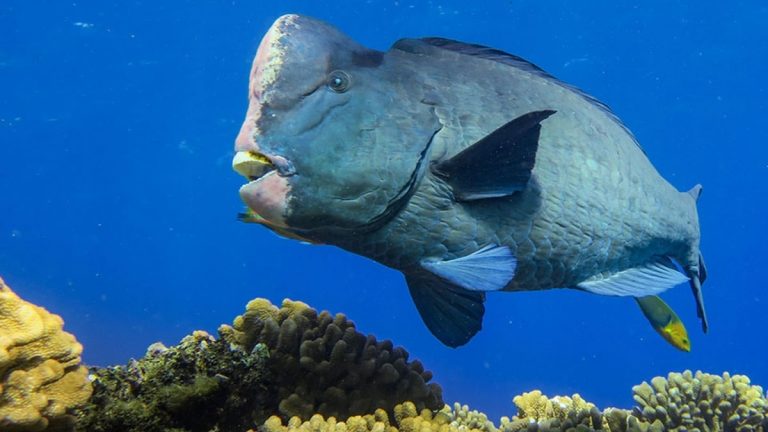
A giant bumphead parrotfish swimming over a reef

What Is Ocean Sand Made Of?

Ocean sand is not one substance. It is a size class of sediment made from rock fragments, mineral grains, shells, coral skeletons and other biological remains. The mixture on a particular coast records the nearby geology, the organisms living offshore and the waves or currents that sort material by size and density. NOAA’s account of…