Water

RSS Feed

Water science news, explainers, and statistics covering freshwater, hydrology, lakes, rivers, groundwater, ice, and Earth’s connected water systems.

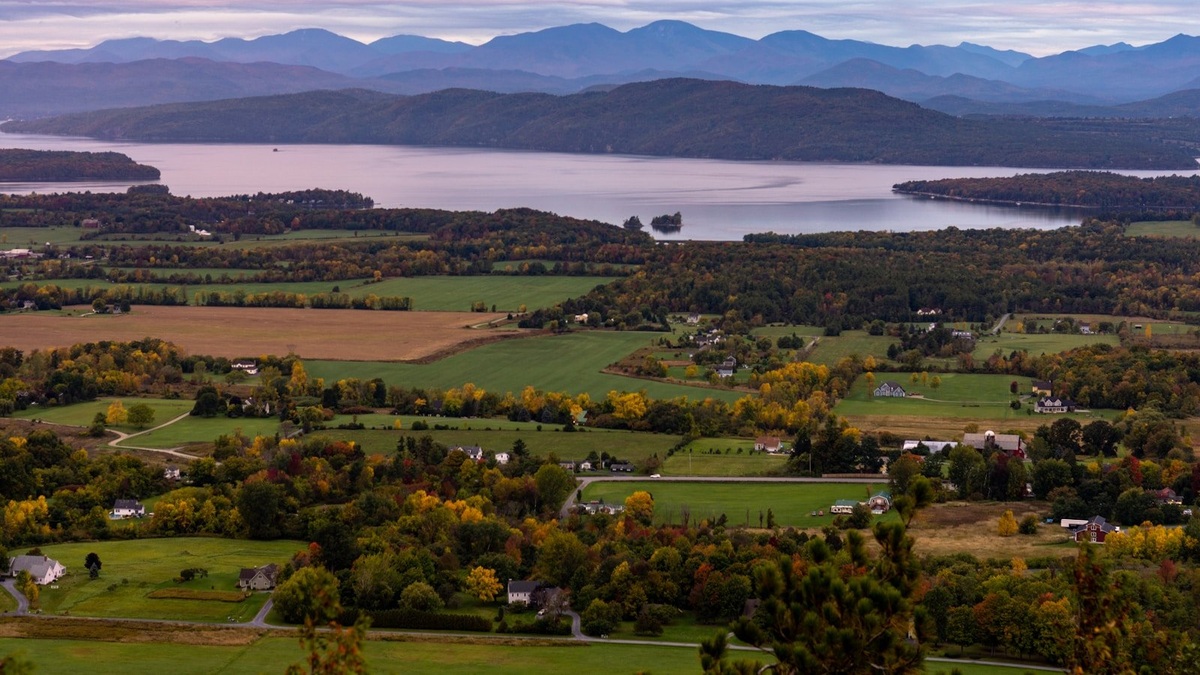
Lake_champlain_and_vermont_farmland

Lake Champlain depth map and deepest point

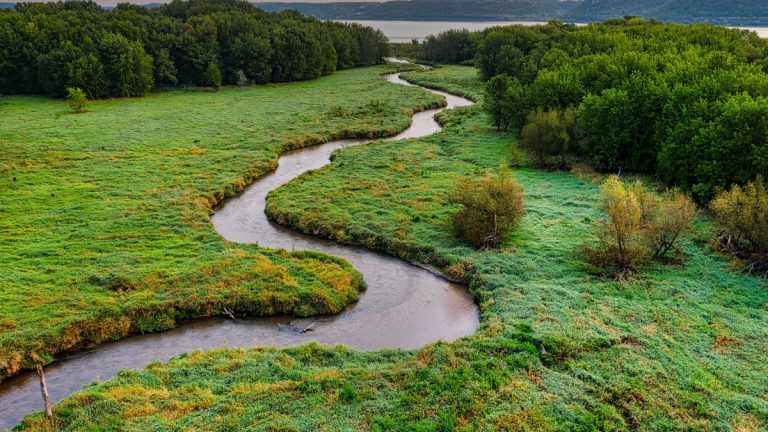
Lake Champlain reaches about 400 feet (122 meters) at its deepest point, in the Main Lake between the New York and Vermont shores. The deepest basin is commonly called Baldwin Deep and lies between Essex, New York and Charlotte, Vermont. A depth map shows a long, narrow basin with steep underwater slopes through the central…
More

More in Water

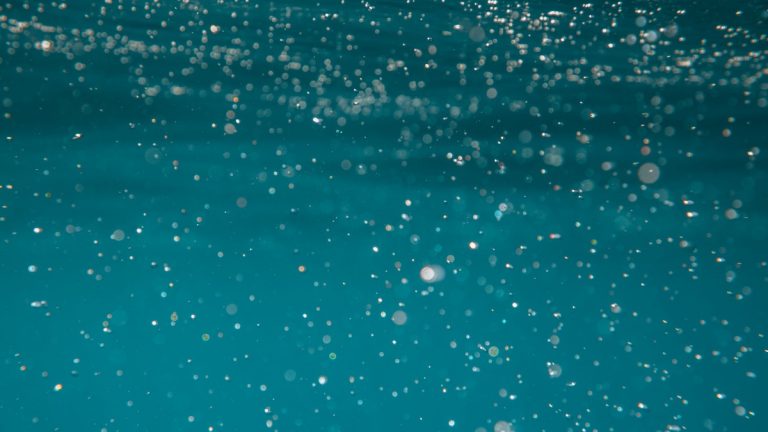
Particles_drifting_through_seawater

What is marine snow?

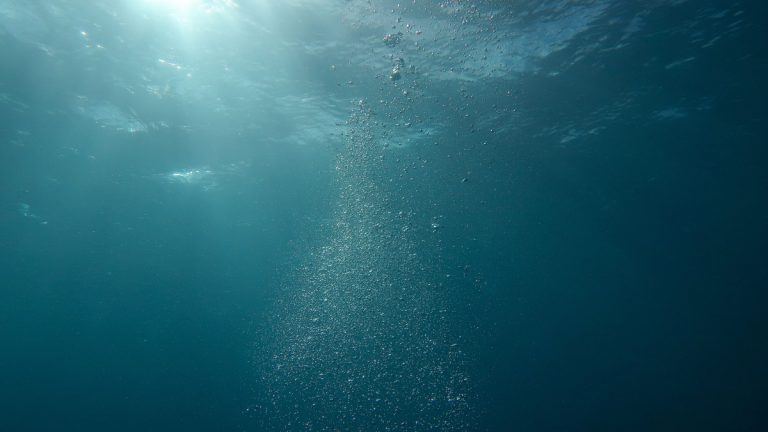
Marine snow is the steady fall of particles from the sunlit ocean into deeper water. It includes dead plankton, fecal pellets, mucus, mineral grains and other fragments that stick together as they sink. The name describes its appearance in underwater lights, where pale flakes drift through dark water like snow. It does not describe frozen…

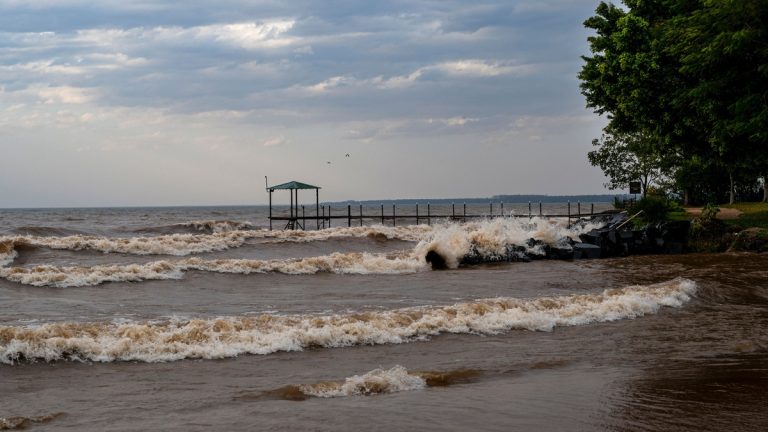
Wind_driven_waves_on_a_large_lake

What is a seiche in a lake?

A seiche is a standing wave that makes water oscillate within an enclosed or partly enclosed basin. In a lake, the surface can rise at one end while falling at the other, then reverse as the water rocks back. Strong wind and rapid atmospheric-pressure changes are common triggers. Seiche is pronounced roughly “saysh.” The motion…

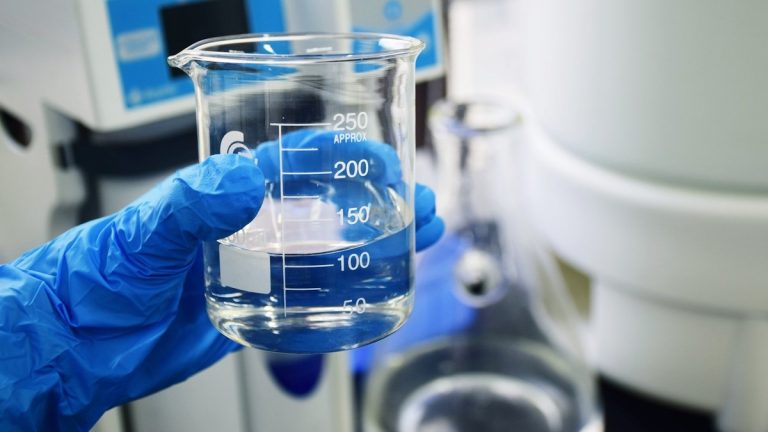
Laboratory_water_quality_sample

What does specific conductance reveal about water?

Specific conductance measures how readily water carries an electrical current after the result is standardized to 25°C. Dissolved ions provide the charge carriers, so the measurement offers a quick indicator of the collective ionic content of a water sample. It does not reveal which ions are present or whether the water is safe to drink.…