Water

RSS Feed

Water science news, explainers, and statistics covering freshwater, hydrology, lakes, rivers, groundwater, ice, and Earth’s connected water systems.

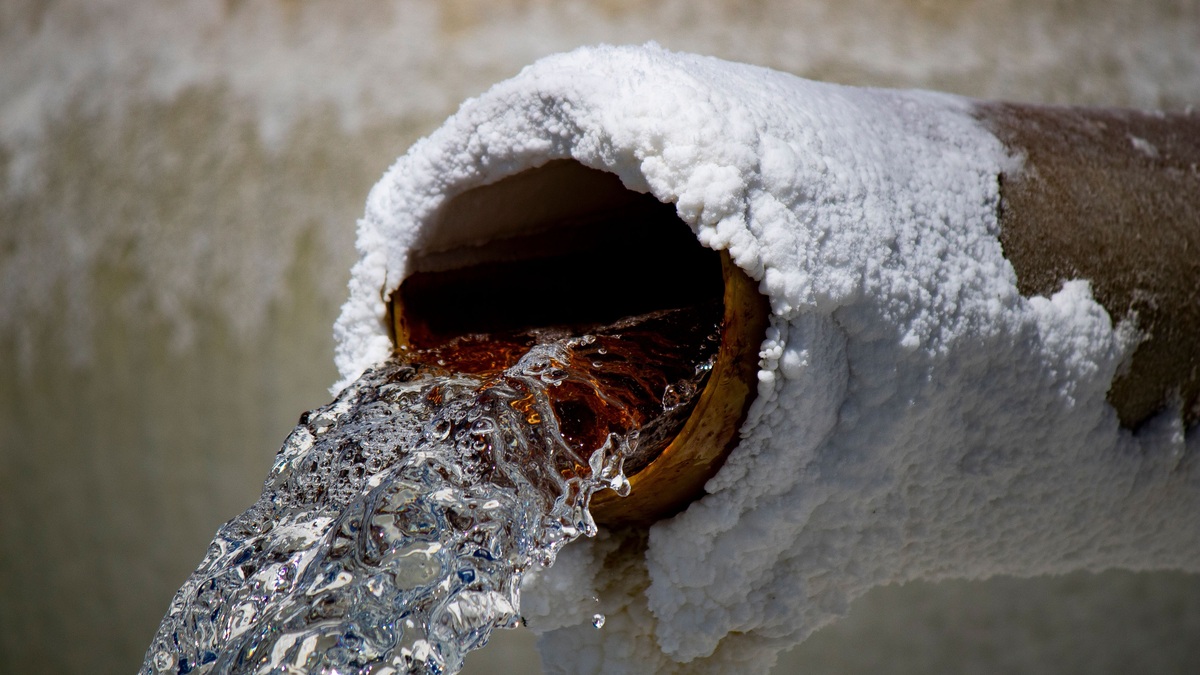
Close-up of water flowing from a rusty pipe with salt deposits, capturing motion and texture

How Does an Artesian Well Work?

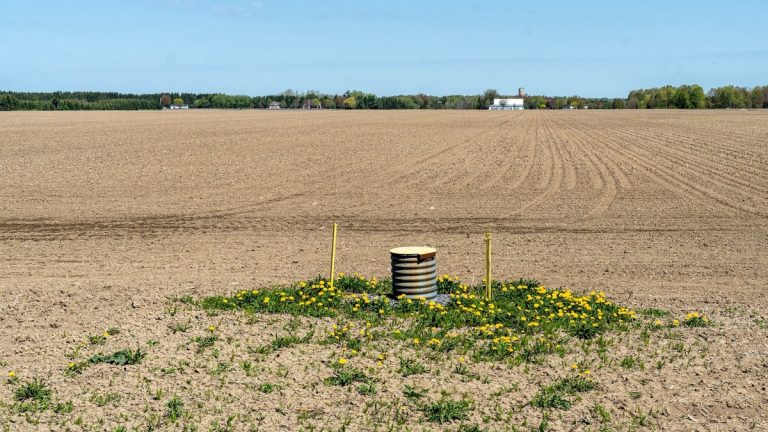
An artesian well taps a confined aquifer whose water is under enough pressure to rise inside the well above the top of the aquifer. If the pressure lifts water above the land surface, the well flows without a pump. Many artesian wells do not flow at the surface and a deep well is not automatically…
More

More in Water

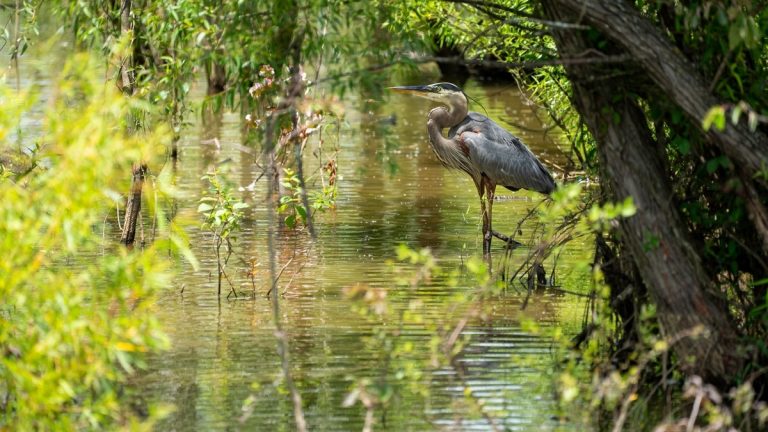
Great_blue_heron_in_freshwater_wetland

Wetland Food Web: Producers, Consumers and Decomposers

A wetland food web connects organisms through the movement of food energy and nutrients. Producers capture energy. Animals consume living material or organic remains, while decomposers break the remains into simpler compounds. Many wetlands rely heavily on detritus made from dead plant tissue. The exact web differs among wetland types. Water depth selects which organisms…

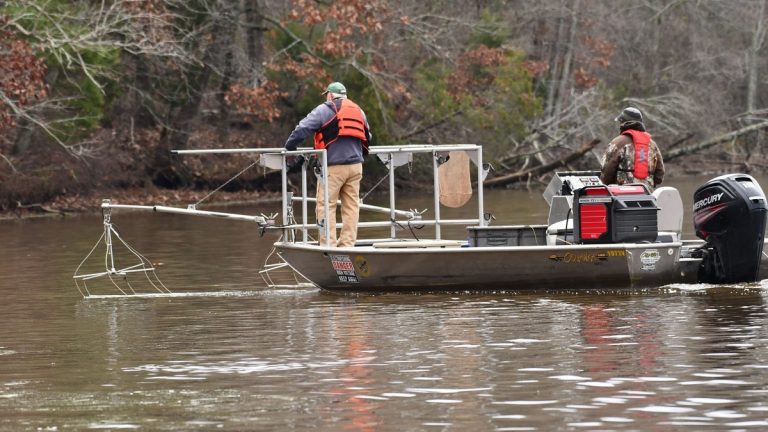
Scientists_surveying_inland_water_from_boat

What Is a Limnologist?

A limnologist is a scientist who studies inland waters as connected physical, chemical and biological systems. The field includes freshwater and saline lakes, reservoirs, rivers, wetlands and groundwater. A limnologist may investigate how a lake mixes, why oxygen declines or how organisms respond to changing water quality. The job title is less standardized than titles…

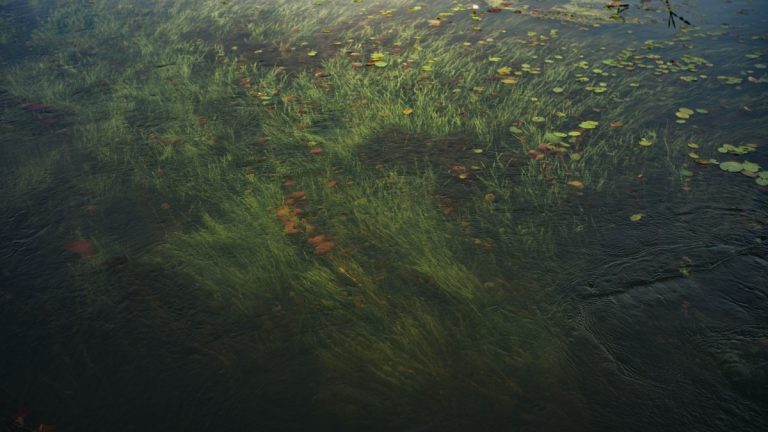
Native_aquatic_plants_beneath_lake_surface

Lake Grass: Native Aquatic Plants, Algae and Invasive Weeds

“Lake grass” is an informal name for several very different things growing in or on fresh water. It may refer to native submerged plants, floating-leaved plants, emergent shoreline vegetation, filamentous algae or an invasive aquatic weed. Correct identification matters because native plants support lake habitat, while algae and invasive species require different management. A plant…