Utah Lake water temperature can range from near freezing during winter to the upper 70s or low 80s Fahrenheit during hot summer periods. A decade-scale study reported observations from 1.2°C to 27.8°C, or about 34°F to 82°F. The endpoints describe one dataset’s coverage. They are neither guaranteed daily temperatures nor fixed monthly averages.
The lake has a broad surface over shallow water, leaving wind strongly coupled to the water column. Air temperature and sunshine can change the surface quickly before mixing redistributes heat. Conditions can differ between a protected marina and open water on the same day. Before swimming or boating, visitors should check current measurements and advisories. Anglers need the same local information.
Winter water stays near freezing
During winter, much of Utah Lake’s surface can cool toward 0°C, or 32°F. Ice often forms. A storm can break its coverage, however and wind can prevent uniform thickness. Sustained cold is needed before broader cover develops. Open leads may remain where water moves.
Water below ice is generally a little warmer than the surface because freshwater is densest near 4°C. Utah Lake’s shallow depth and frequent mixing keep its winter structure less stable than that of a deep, sheltered lake.
Ice presence does not establish safe load-bearing thickness. A spring or river inflow can weaken a local area and wind fractures other sections. Current park notices and direct measurements are necessary before any on-ice activity.
Winter sampling is less frequent than warm-season monitoring. A published annual range may therefore contain fewer cold observations than summer ones, limiting how precisely a typical winter can be summarized.
Spring warming can be rapid
Longer days and warmer air begin raising surface temperature after ice retreats. Spring observations can move from the 40s Fahrenheit into the 50s or 60s as the season advances, but a cold front may reverse several days of warming.
Snowmelt from the watershed supplies cooler inflow near river mouths. Shallow protected bays can warm faster than exposed open water during calm sunshine. Wind later redistributes some of that heat across the lake.
The timing differs from year to year, so calendar date is an imperfect guide. Water can remain dangerously cold even when a warm afternoon makes the beach feel summery.
Cold shock depends on the water encountered at entry, not the afternoon air temperature. Wind-driven waves compound the problem by making an immediate exit harder.
Summer commonly reaches the 70s
Summer surface water commonly enters the 70s Fahrenheit, with the warmest observations reaching around 82°F in the ten-year dataset. Daytime shallows can be warmer than nighttime open water and strong wind can mix those zones.
A peer-reviewed analysis of Utah monitoring data reported a range of 1.2°C to 27.8°C over ten years. Sampling was sparse from December through April because of ice, which is one reason the numbers should be treated as observed data coverage rather than a complete daily climate record.
Hot weather does not guarantee uniform warmth. A river plume can cool one patch. Groundwater may affect another shoreline, while a storm mixes the open lake. Measurements from different depths also cannot be compared as if they represent the same layer.
Autumn cooling follows shorter days
Utah Lake loses heat as nights lengthen and cold fronts become more frequent. Early autumn may retain water in the 60s or low 70s Fahrenheit, while later conditions fall through the 50s and toward the 40s.
Wind promotes heat loss and vertical mixing. The shallow water column can cool broadly rather than preserving a large warm layer above deep cold water for months. A calm cove may still differ from the central lake.
First ice depends on accumulated cold, not one freezing night. Waves can delay a stable cover even while protected marinas freeze.
Autumn values also retain memory of summer heat. A warm September can delay cooling, whereas repeated cold fronts accelerate heat loss well before the winter solstice.
Why the shallow lake changes quickly
Utah Lake has a large surface area relative to its water volume. Solar energy reaches and warms a broad surface, while wind transfers momentum into much of the shallow water column. The lake therefore exchanges heat rapidly with the atmosphere.
Wind mixing can erase a temperature gradient that formed during calm weather. It also resuspends fine bottom sediment, changing how light penetrates the water. Turbid water may absorb sunlight differently from clearer water and can limit underwater photosynthesis.
A circulation model archived by Utah State University found temperature strongly related to air temperature and incoming shortwave radiation, with wind and cloud conditions adding influence. The exact balance changes from hour to hour.
Temperature varies around the lake
A marina reflects protected water. Shallow bays respond quickly to sunshine, whereas an open-water station captures broader mixing. River inflow can cool one shoreline while a calm beach heats under the sun. Wind may push warm surface water toward one side and replace it elsewhere with water mixed from below.
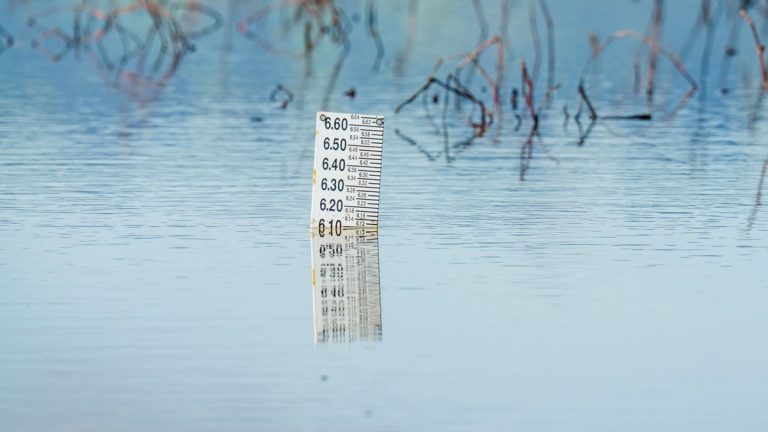
The Utah Division of Water Quality has operated high-frequency monitoring using sondes that record temperature every 15 minutes alongside dissolved oxygen and other measurements. Monthly open-water sampling adds spatial coverage at 13 sites during the May-to-November field season.
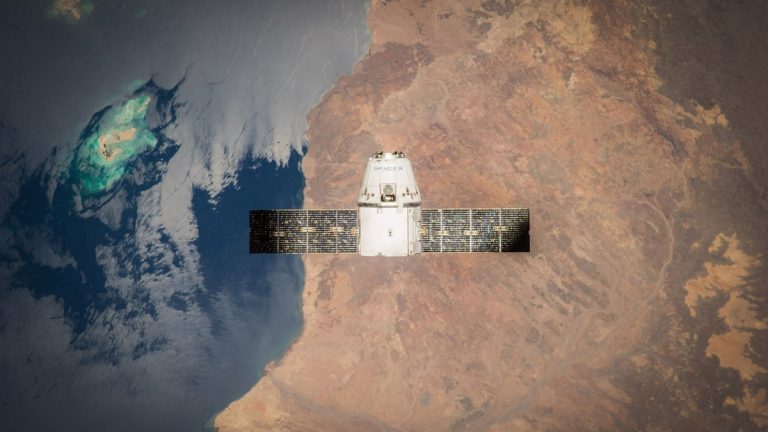
Satellite data broaden the view. A six-year Utah Lake dataset provides daytime and nighttime surface-temperature estimates across many points, while its authors caution that nearshore mixed pixels complicate comparison with open water.
Temperature and oxygen are linked
Warm water physically holds less dissolved oxygen than cold water. Warmer conditions can also speed biological respiration and decomposition consumes additional oxygen. Concentrations may therefore fall during warm, calm periods, especially where organic material is abundant.
The relationship is local rather than automatic. Wind can reaerate surface water during a hot spell, while a sheltered area may experience a stronger overnight decline.
Photosynthesis raises oxygen during daylight, while respiration continues overnight. The result can be a daily cycle that one afternoon reading fails to capture. Wind mixing may add oxygen at the surface but can also redistribute low-oxygen water.
Fish habitat depends on both variables. A species may encounter acceptable temperature but avoid a location with insufficient oxygen. Seasonal temperature alone cannot predict fish location or health.
Warm water can influence cyanobacteria
Warm conditions can favor cyanobacterial growth, but temperature is not a bloom switch. Nutrients, light, turbidity, wind and the existing plankton community also affect bloom timing and intensity.
A 2026 remote-sensing study found that bloom relationships with temperature and turbidity were weak and spatially variable across Utah Lake. Intense blooms occurred mainly under lower-turbidity conditions, while some early-season events followed short-term warming.
Water that feels comfortable can still carry a health advisory. Visible scum is a reason to stay out and unusual discoloration requires caution. An official warning should override any decision based on temperature.
Check current conditions before recreation
The Utah DEQ posts recreational monitoring and advisories during the season. A temperature value should be paired with wind, weather, water-quality status and the conditions at the actual access point.
General precautions in lake swimming safety include checking advisories and recognizing cold shock. The seasonal heat balance connects with lake and pond climate, while water movement in lakes explains why one reading cannot represent the entire surface.
Utah Lake follows a strong annual cycle, but every number requires a date, location and depth. Near freezing in winter and warm 70s during summer are useful expectations; current monitoring supplies the value needed for today’s decision.