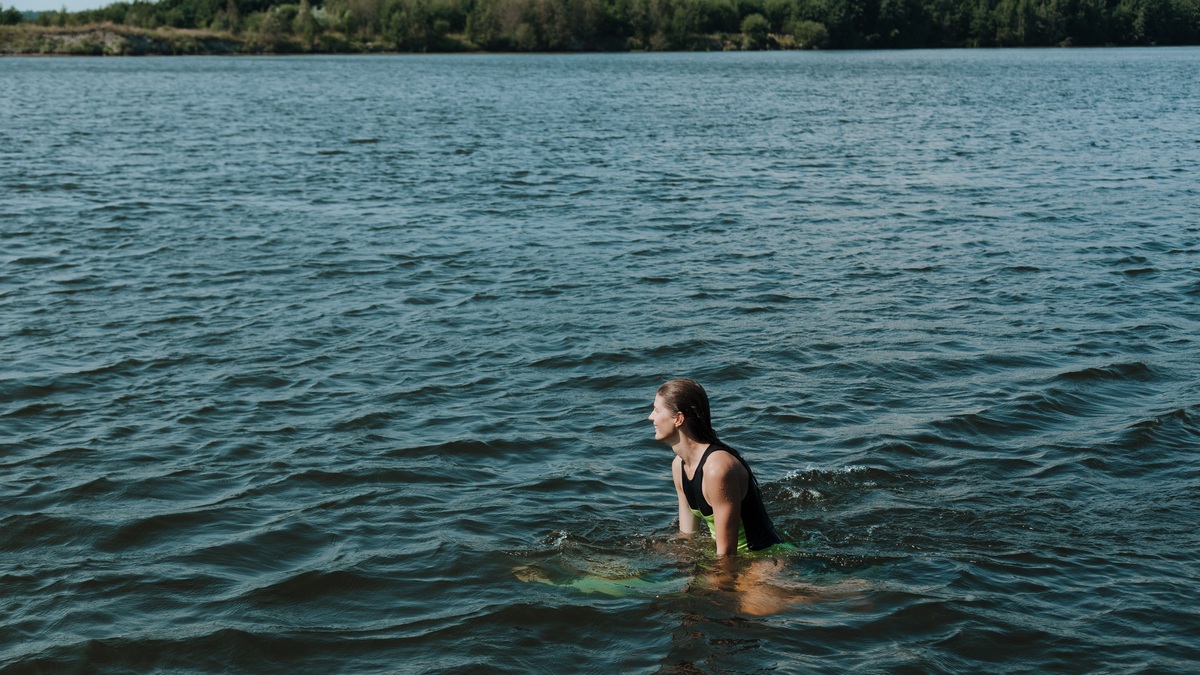
Many lakes allow swimming, but no universal rule makes every lake or every day safe. Before entering, check the official beach status. Review current weather along with the local access rules. From shore, watch the wave pattern for signs of changing conditions. Visible current deserves separate attention because even a modest flow can increase effort. Water temperature must also match your ability and equipment.
A lake can change within only a few hours. Heavy rain may carry contamination into a beach after runoff reaches the water. Wind can build waves, while a harmful algal bloom may concentrate near shore. A familiar swimming place still requires a fresh check on each visit.
Start with the official beach status
Managed beaches may be sampled for fecal indicator bacteria or monitored for algal blooms. Local health departments and park agencies post advisories when results exceed their standards. A closure can also reflect hazards unrelated to water quality, such as storm damage or unsafe access.
The CDC advises swimmers to check whether a natural swim area is monitored, under advisory or closed. Signs at the beach may contain newer information than a general tourism page. Follow the restriction even when the water looks clear.
No posted advisory is a guarantee of zero risk. Sampling represents a place and time and many unguarded lakes receive little routine testing. When no official information exists, uncertainty should lead to greater caution rather than an assumption that the water passed inspection.
Stay out of suspicious water
Unusual color can signal a harmful algal bloom. Surface scum deserves the same caution, as does a strong odor. Cyanobacteria may produce toxins that affect people and animals. The appearance varies, so a bloom does not always resemble one standard photograph.
CDC guidance on harmful algal blooms says to avoid discolored, scummy or smelly water and keep pets away. Children and dogs can swallow water while playing, increasing exposure. Do not let a pet drink from or retrieve toys in a suspected bloom.
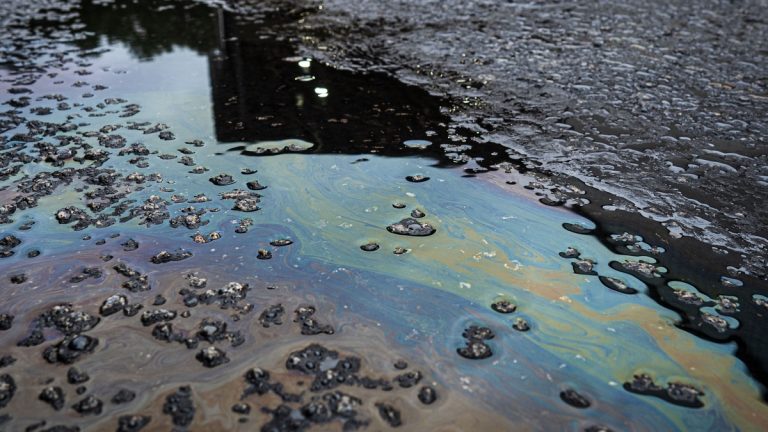
Cloudiness after heavy rain can reflect sediment mixed with contamination from the watershed. Pipes or drainage outlets near a beach deserve caution, particularly after storms. Clear water can still contain pathogens, which is why official monitoring remains more reliable than appearance alone.
Germs enter through swallowing and wounds
Natural water can carry microbes from human sewage. Wildlife waste provides another source, as does runoff from livestock areas. Swallowing contaminated water may cause illness. A recent wound creates an especially concerning route for infection. The same caution applies when a cut cannot be fully covered.
The CDC recommends staying out when sick with diarrhea because a swimmer can contaminate the water for others. It also advises people whose immune defenses are affected by illness or medicine to consult a health care professional before swimming in natural waters.
A waterproof bandage can reduce exposure for a minor healing cut, but it cannot make every wound safe for immersion. Follow medical instructions after surgery or piercing. Rinse after swimming when local health guidance recommends it and keep lake water away from the mouth.
Depth can change abruptly
A shallow shelf may end at a steep drop-off. Turbid water hides the bottom. Weeds can interfere with movement, while submerged branches create a separate entanglement hazard. Enter feet first in an unfamiliar place and remain within a depth that matches your swimming ability.
Never assume a natural lake has a pool-like floor. Sandbars shift between seasons. Rocks can become slippery and bottom sediment may be too soft for stable footing. Diving is unsafe unless an authorized site has been inspected and specifically marked for it.
Children and weak swimmers need close, active supervision. A flotation device should match the activity and carry the required approval. Inflatable toys can drift or fail and are not substitutes for a properly fitted life jacket.
Currents and waves occur in lakes
Wind drives surface currents and can pile water against a shore. Breaking waves then send water along the beach or through gaps in sandbars. Piers focus some currents along their walls. River mouths introduce fast outlet flow, while narrow channels accelerate water through confined space.
The National Weather Service warns that Great Lakes beaches have dangerous currents, including longshore, structural and outlet currents. Smaller lakes can also develop strong local flow near an inlet, outlet or dam. Stay away from restricted structures and obey lifeguard instructions.
High waves exhaust swimmers long before distance alone would. Check the local marine or beach forecast where one is available. Visible whitewater can justify staying dry. Strong onshore wind creates another warning, especially when chop is worsening rapidly at a beach that remains technically open.
Cold shock can begin before hypothermia
Warm air does not mean warm water. Spring lakes can remain cold after several sunny days and deep water may stay chilled through summer. Sudden immersion can trigger an involuntary gasp and rapid breathing before the body’s core temperature falls enough for hypothermia.
The National Weather Service describes cold shock as an immediate change in breathing, heart rate and blood pressure. Cold water also weakens muscles and coordination. Confident pool swimmers are not exempt from those physical responses.
Enter gradually when conditions and local rules permit. Wear thermal protection suited to a planned cold-water activity. Use a life jacket when boating or paddling. Water temperature should guide preparation more than air temperature. If an accidental immersion occurs, flotation preserves energy while help arrives.
Weather can make a safe beach dangerous
Thunderstorms bring lightning. Sudden wind may arrive ahead of the rain and visibility can fall quickly. Leave the water when thunder is heard and follow official shelter guidance. Waiting in shallow water or standing on an exposed beach does not provide protection.
The National Weather Service notes that the first lightning strike can precede the main storm. A forecast check before departure is useful. Swimmers should continue watching the sky and stay close enough to leave quickly. EPA’s beach information resources provide a separate route to state and local water-quality programs.
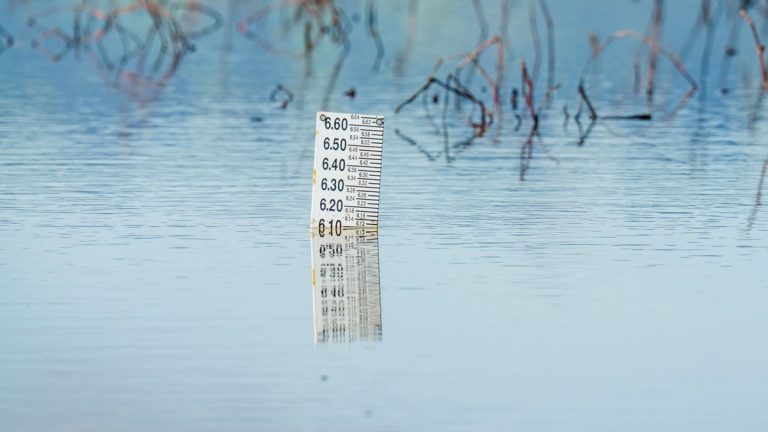
Heavy rain affects water quality after the storm as runoff reaches shore. It can also raise lake level and strengthen outlet flow. Argo’s guide to lake flooding explains why high water and wave runup are separate hazards.
Local rules determine where swimming is allowed
Local rules determine where swimming is permitted. Some lakes protect drinking-water supplies or sensitive habitat and prohibit contact recreation. Others restrict swimming to designated beaches or ban entry near dams and boat channels. Private shore access does not grant permission to use every adjoining property or facility.
National parks illustrate the range. Argo’s guides explain conditions for swimming in Crater Lake and swimming in Lake Michigan. Their rules and physical hazards differ, so advice for one cannot be generalized to every lake.
Fishing advisories also differ from swimming advisories. A warning about contaminants in fish tissue may concern repeated consumption rather than skin contact, while a bacterial closure addresses recreation directly. Read the notice carefully to identify the activity and location it covers.
A practical pre-swim check
Use three sources before entering a natural swimming area. Officials provide the current access and advisory status. Current forecasts describe weather and waves, while a temperature report indicates cold-water risk. At the shore, read every posted sign before inspecting nearby drainage outlets. Algal scum or hazards around structures provide immediate reasons to stay out.
Choose a guarded beach when possible and swim with another person. Keep children within immediate reach. Set a clear turnaround point before fatigue develops, especially in open water where distance is hard to judge.
If any part of the check raises doubt, postpone the swim. A managed pool offers an alternative when natural conditions remain uncertain. Lake swimming can be safe and rewarding under suitable conditions. The decision belongs to a particular location and moment rather than to the word “lake.”