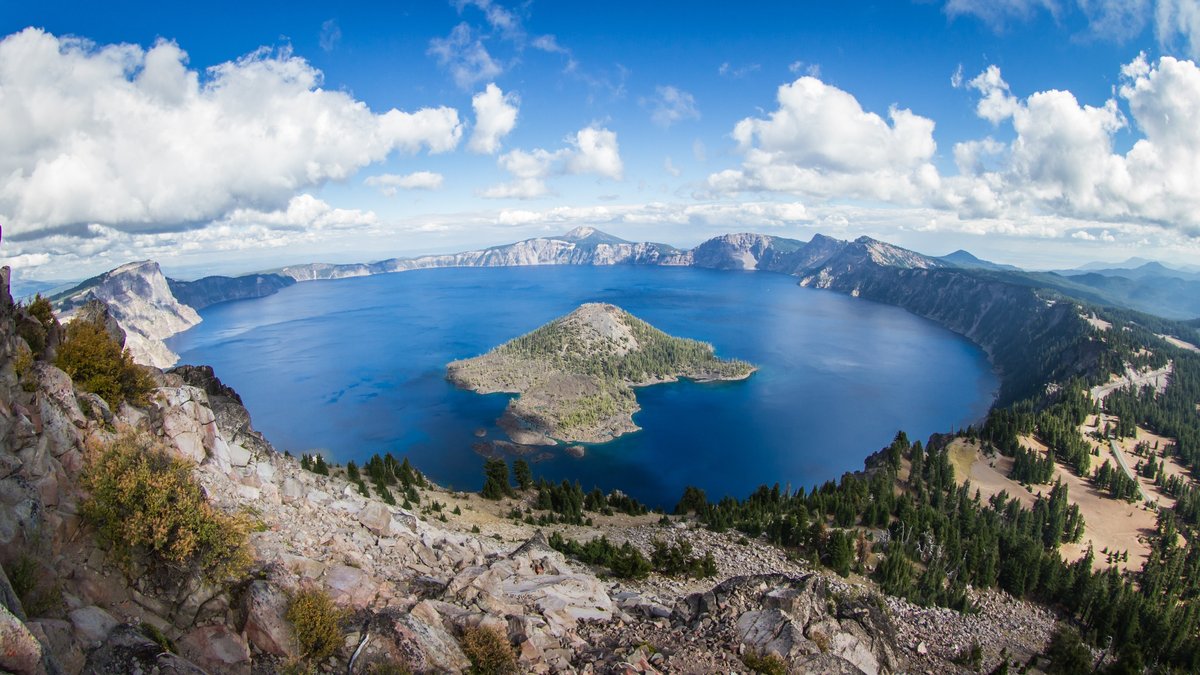
For the 2026 season, visitors cannot swim in Crater Lake because public access to its shore is closed. Cleetwood Cove Trail, the park’s only permitted public route to the lakeshore, is shut for major rehabilitation work. The Cleetwood Cove closure changes the practical answer to a popular summer question. The lake remains a spectacular place to see from the rim, yet ordinary visitors do not have a legal public path down to the water.
The NPS rehabilitation project is expected to span the summers of 2026, 2027 and 2028. It involves rockfall work and trail reconstruction. Retaining-wall repairs, a replacement marina dock and new lakeshore restrooms are also planned. The park is open and many overlooks and trails remain available. Yet the closed cove prevents swimming, shore visits and public boat tours through this access point during construction.
Public lake access is closed for 2026
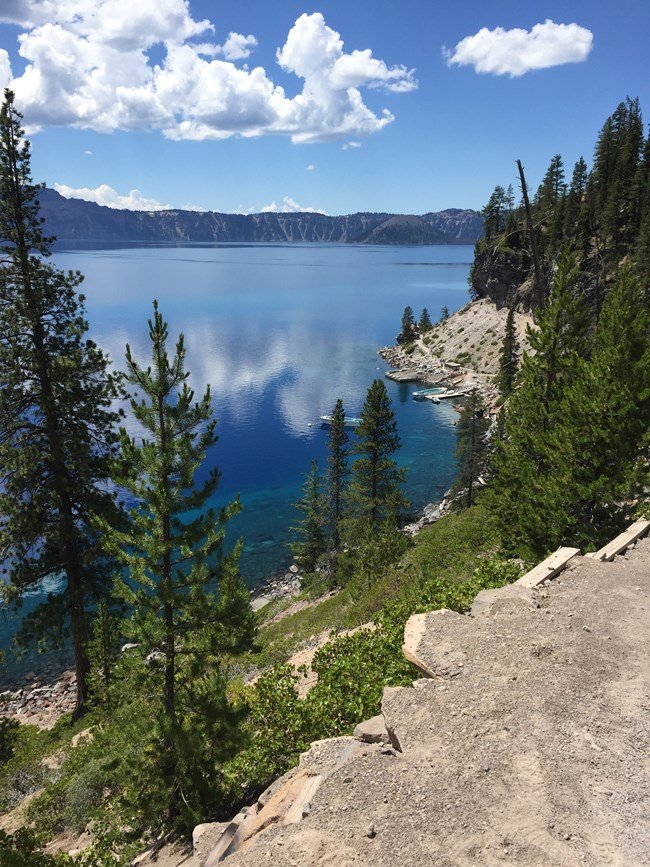
Crater Lake National Park says the closure is necessary because the work zone includes loose-rock removal, drilling, heavy equipment and helicopter operations. The trail itself will be impassable. The Cleetwood parking lot is also closed for staging. Rockfall and construction hazards are concentrated on the steep caldera wall and at the small marina, where safe public access cannot be maintained while work is underway.
The scope is larger than routine trail repair. NPS plans rockfall mitigation and work on failing retaining walls. The project also includes a rebuilt trail tread plus a replacement marina bulkhead and dock. Unstable slopes, rockfall and high waves damaged the old system. The lakeshore restrooms are also being replaced. Each part requires crews to operate in a narrow corridor between the rim and water, where public passage would conflict with construction and emergency access.
The project page calls Cleetwood Cove the only permitted access to the shore. The lack of alternate shore access matters for anyone considering an informal route from Rim Drive. Much of the caldera between the rim and the water is closed to public entry and its slopes have unstable rock and soil. Going off trail can put a visitor and potential rescuers at risk, as well as damage fragile vegetation and geology.
Current status can change with construction and weather, so check the park’s current conditions shortly before traveling. As of the page last updated June 27, 2026, Cleetwood Cove Trail is closed for the season. The longer project schedule is tied to the lake’s short snow-free construction window, which generally runs from July into September.
What the standing swimming rules allow
Outside an active access closure, the park’s standing rules allow swimming within 100 yards of Cleetwood Cove and within 100 yards of Wizard Island. Swimmers must stay at least 50 feet from a boat, dock, or buoy. Park swimming rules describe the limited places where swimming may be permitted under normal operations. They do not override a trail, shoreline, marina, or boat-tour closure.
Wizard Island does not provide an alternative self-guided swimming route during the construction period. Public access to the island normally depends on authorized boat tours and NPS says there will be no public tours during the 2026, 2027 and 2028 summers. The island is also inside the caldera, where the public cannot simply swim across from shore to reach it.
Several familiar water activities have separate restrictions even when the cove is open. The Superintendent’s Compendium prohibits SCUBA diving and snorkeling. It also bars swimming with wetsuits, masks and fins. Towable devices and gear beyond standard swimsuits are barred as well. The park says these limits help reduce the risk of introducing invasive aquatic species into an unusually clear and sensitive lake.
Private boats and personal flotation devices are also unavailable for casual lake access. The prohibition includes kayaks, canoes and rafts. The normal water rules are intentionally narrow because the lake has a protected shoreline, limited infrastructure and difficult rescue conditions. Visitors planning a future swim should read the applicable restrictions again after the rehabilitation project ends, since site rules and closures can be updated.
Cold water and shoreline hazards
Even in a normal access season, a swim here demands more care than a quick dip at a beach. The park reports surface temperatures from 38 to 62 degrees Fahrenheit, depending on the time of year, with colder water at greater depth. Its Cleetwood Cove page gives a typical summer surface average of about 57 degrees Fahrenheit, or 14 degrees Celsius. Cold water can make a hot day feel inviting while still chilling a swimmer quickly.
There are no lifeguards at Crater Lake. NPS advises visitors to know their water skills before entering, even for a short swim. A person who becomes cold may have trouble swimming back across rough rocks and wet clothing can make it harder to warm up afterward. Warm, dry clothes should be ready at the shore during any future permitted visit.
The water’s edge is a boulder field, with no beach and no defined path from the trail to the lake. Under historic normal operations, the route down Cleetwood Cove Trail is 1.1 miles and drops about 700 feet. The return climb is strenuous and the park compares it with climbing 65 flights of stairs. The climb comes after the swim, when fatigue and cold can be most important.
High elevation adds another layer. Rim Village sits at about 7,100 feet, where dry air and wind can contribute to dehydration. The park’s safety guidance also warns that summer storms can bring lightning and that wildfire smoke can degrade air quality. Leave the water immediately if lightning appears or thunder is heard during a future open season.
Planning a visit while the cove is closed
Crater Lake still rewards a summer visit without a swim. Rim Drive overlooks and open trails offer views into the deep volcanic caldera and park services continue to operate around the rim. The rehabilitation page says other operations remain open during construction, although individual roads and trails can have separate seasonal or construction restrictions.
Before leaving home, review current conditions and the weather forecast. Also check road status and air quality. Snow can persist late into the year, smoke can arrive quickly in summer or fall and road access changes with maintenance and storms. Bring water, sun protection, layers and sturdy shoes for any hike. Cold, altitude and changing weather matter at the rim as much as they once did at the lake’s edge.
Choose an approved destination before you arrive at the rim. The park’s current conditions page is the practical starting point because it records trail and road status as operations change. A closed shoreline route can leave a visitor with a long drive and no way to reach the water, while an open overlook may still offer the lake’s famous blue view. Rim weather can also differ sharply from lower-elevation forecasts. Check again on the day of travel, especially after a storm or when smoke is present. Forecasts, web cameras and visitor-center updates can help visitors adjust plans before they reach a closed road or hazardous trail. Respect posted closures and give construction crews room to work.
For now, treat the lake as a viewpoint rather than a swim destination. The rehabilitation is meant to address rockfall hazards, worn trail surfaces, failing retaining walls and the damaged marina system so future shore access can be safer. When the project is complete, the park will provide updated access information. Until then, the responsible answer for a 2026 visitor is to enjoy Crater Lake from approved open areas and keep out of the closed Cleetwood Cove corridor.