Space

RSS Feed

Orbital science, astronomy, remote sensing, and what lies beyond the atmosphere.

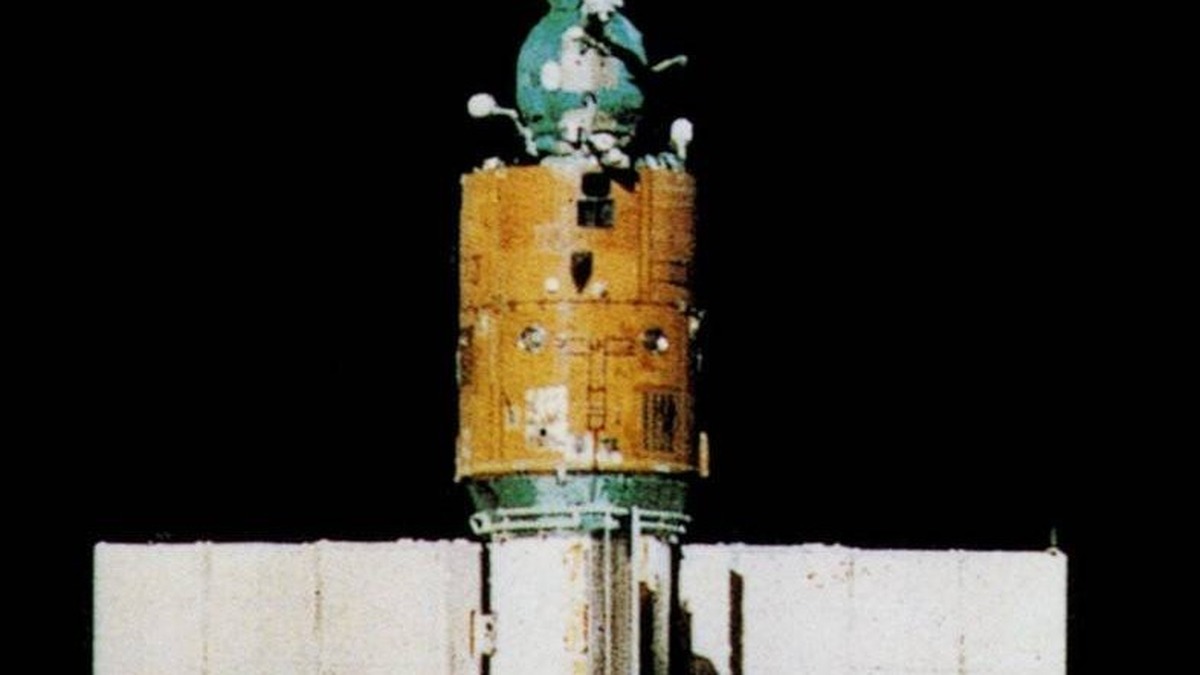
The Soviet Salyut 6 space station in orbit

A 175-day Salyut 6 mission treated boredom and isolation as hazards, using family video links, expert talks, music, mail and protected time alone as an early psychological support system meant to keep two cosmonauts informed, steady and ready for work

Salyut 6 stayed alive for 175 days with only two men on board and Soviet flight planners did not treat boredom or loneliness as minor side effects. They treated them as mission problems that needed their own countermeasures. Alongside exercise, food and work schedules, the station’s support package included family contact, outside voices, entertainment, mail…
More

More in Space

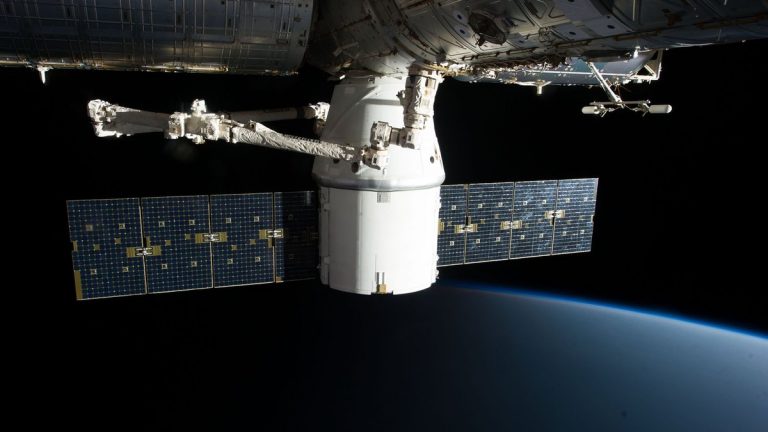
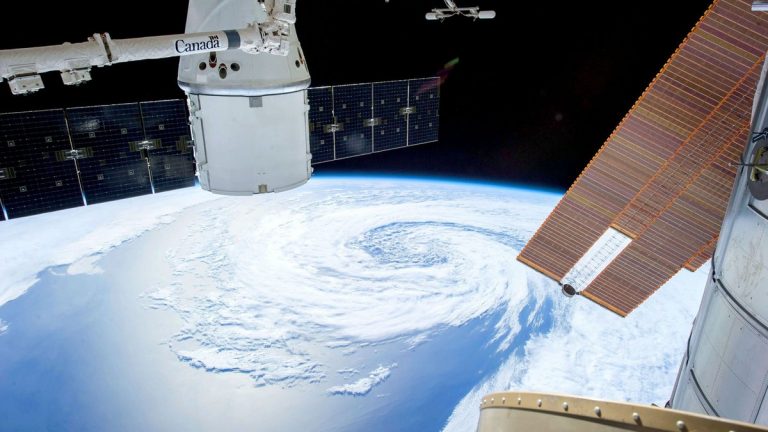
The International Space Station orbiting above Earth

Twenty-two astronaut-like volunteers breathed four carbon dioxide levels for less than three hours and the sharpest drop in decision-making appeared at 1,200 ppm before higher concentrations produced no clear step-by-step decline across the study’s cognition measures

Twenty-two people in a chamber at Johnson Space Center breathed air with four different amounts of carbon dioxide and the most striking dip in performance came at 1,200 ppm. The finding drew attention because the study did not show a simple pattern in which each higher level produced worse results. The work came from a…

Two astronauts exploring a rocky Mars-like landscape

6 men spent 520 days in a mock Mars mission, and the crew logged 673 more sleep hours in the second half as one body clock drifted toward 25 hours

Six men lived inside a sealed Mars mission simulator for 520 days and their bodies gradually settled into a quieter pattern. Continuous wrist records showed less movement while awake, more time asleep and more time spent resting without fully sleeping. The changes built slowly over 17 months, which gave researchers a rare look at how…

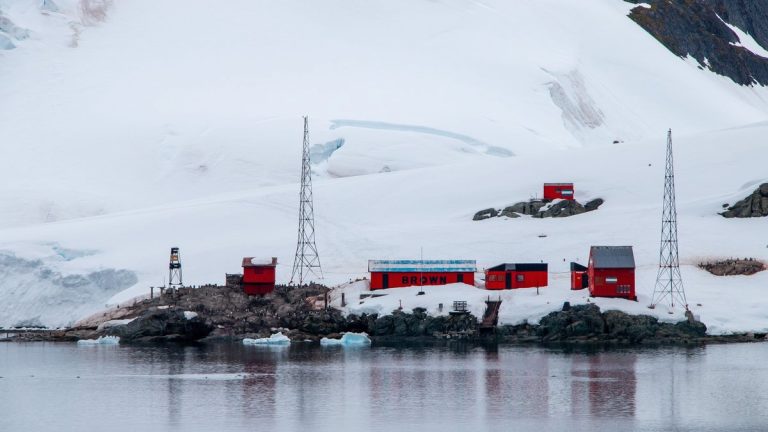
A remote research station in Antarctica

25 researchers spent 12 months at Antarctica’s Concordia station, and better sleep tracked with smaller gray matter losses as several brain regions changed

Twenty-five people spent a year cut off at Concordia Station in Antarctica, then came home with a pattern scientists care about for spaceflight: several brain regions had temporarily lost volume and the people who slept better tended to show smaller losses. The result does not mean sleep alone protected their brains, yet it points to…