Space

RSS Feed

Orbital science, astronomy, remote sensing, and what lies beyond the atmosphere.

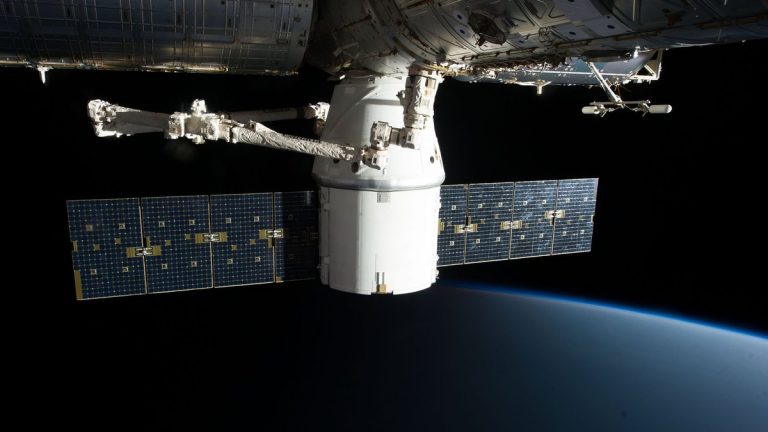
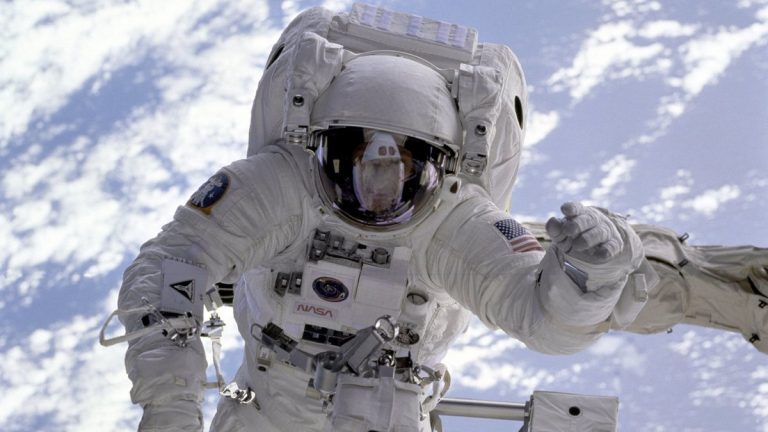
An astronaut working outside the International Space Station above Earth

Astronauts returning from six-month ISS missions describe an observer sensation, raising new questions about how the brain rebuilds daily life on Earth after long-duration spaceflight

A 2025 study in Frontiers in Physiology highlights a central challenge in modern space medicine. Scientists are trying to understand how humans recover from long stays in orbit while working with a very small group of people. That problem matters for a strange post-flight experience described by some astronauts after six-month missions, a lingering sense…
More

More in Space

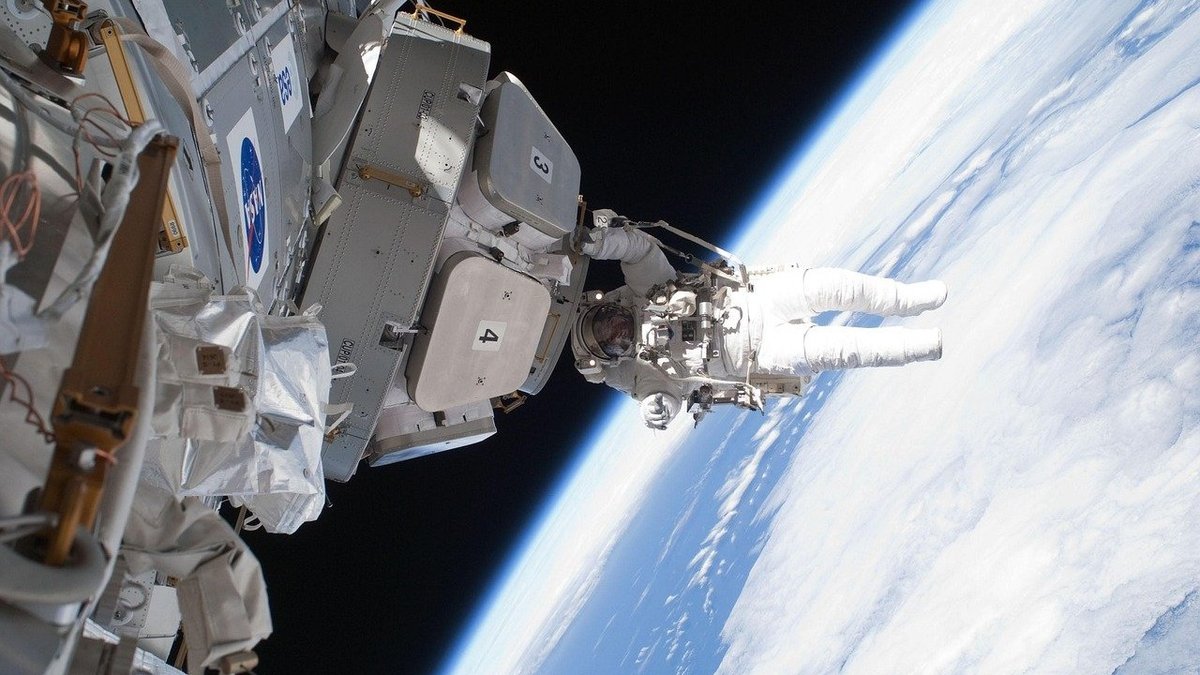
Astronaut conducting a spacewalk with Earth in the background, showcasing outer space exploration

At 65, Peggy Whitson became the oldest woman to orbit Earth when she commanded the privately funded Axiom Mission 4, leading a four-person crew from four nations to the International Space Station for 18 days and raising her career total beyond 695 days, the longest time in space accumulated by any American astronaut or any woman in history

Axiom Space’s official profile records a spaceflight career without equal among American astronauts or women. At age 65, Peggy Whitson commanded Axiom Mission 4 to the International Space Station. The flight made her the oldest woman to reach Earth orbit and increased her cumulative time in space to 695 days, 7 hours and 4 minutes.…

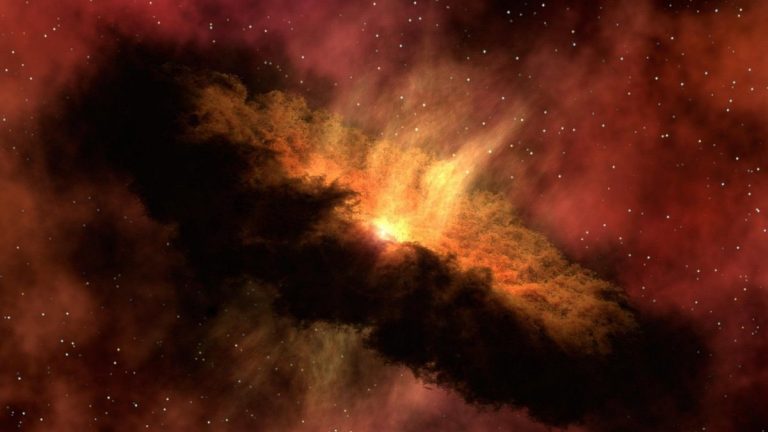
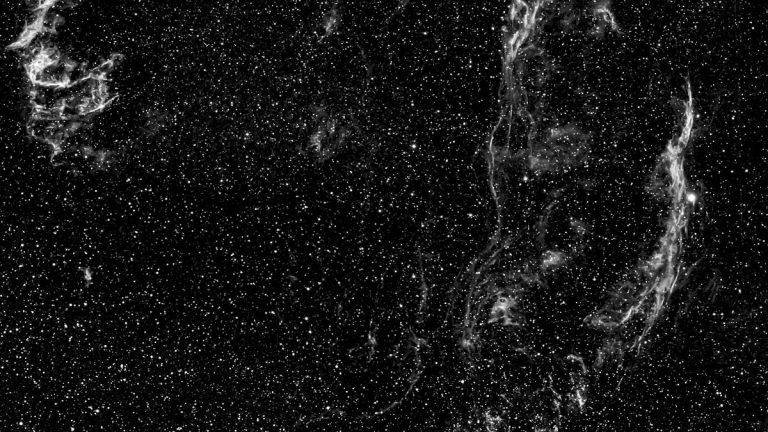
A supernova remnant expanding through a field of stars

A massive star may have exploded twice, first as a supernova that formed two unusually light neutron stars and then hours later as their collision produced gravitational waves and a kilonova, creating the 1.3-billion-light-year event AT2025ulz that astronomers call a possible “superkilonova” and a potential first glimpse of a new kind of cosmic blast

Researchers at Caltech are investigating a cosmic mystery that may represent an entirely new type of stellar explosion. Their study in The Astrophysical Journal Letters describes evidence that AT2025ulz began with a supernova and quickly produced a neutron star merger. That merger may have triggered a second eruption known as a kilonova. The proposed sequence…