A Polar Biology study has identified a new Antarctic tardigrade, Mopsechiniscus franciscae, from moss growing near Crater Cirque in Victoria Land. The tiny animal adds a rare new member to a little-known genus of water bears and its DNA hints at a deep evolutionary story tied to the southern continents.
The discovery came from a survey of tardigrade biodiversity along the Victoria Land coastline. Researchers examined microscopic life in lake-shore mosses, where small pockets of moisture can sustain hardy animals in one of Earth’s most severe environments.
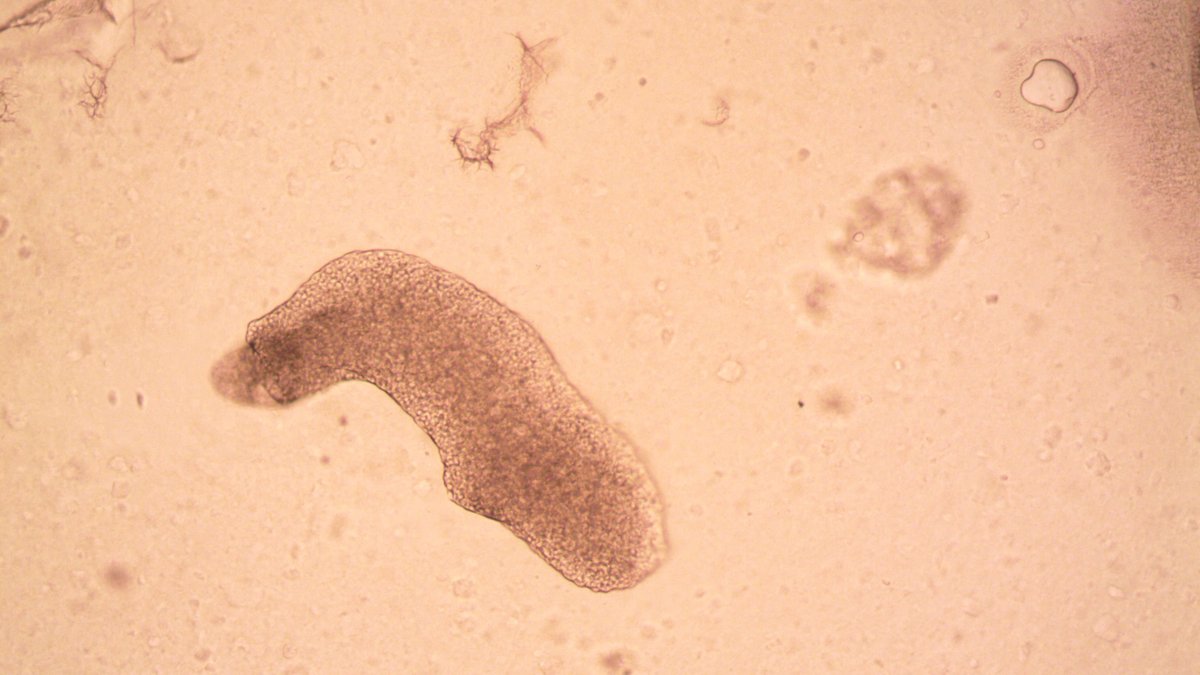
At first glance, the creature looked like a classic water bear. It had a squat body, clawed legs and the almost toy-like shape that has made tardigrades famous far beyond biology labs. Closer inspection revealed features that set it apart, including unusual claws and body hairs.
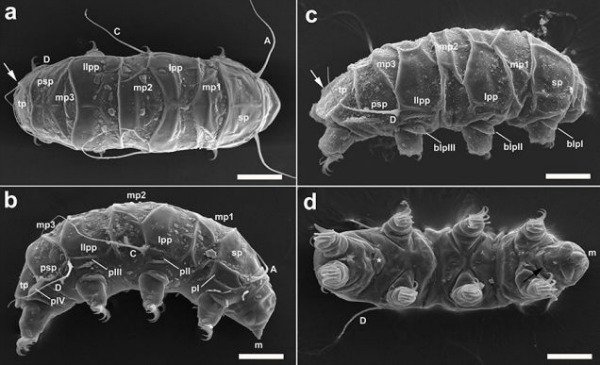
Those details mattered. Tardigrade species can be difficult to tell apart by eye alone, so the team combined physical description with genetic analysis. The result was a species new to science, with clues that may help researchers understand how Antarctic microscopic animals reached their modern distribution.
A tiny discovery in Victoria Land moss
Victoria Land is a cold, dry part of Antarctica where life often survives in narrow refuges. Mosses near lakes and meltwater areas can hold enough moisture for tiny animals, bacteria, algae and other microscopic organisms. For tardigrade specialists, those habitats are valuable sampling grounds.
The new animal was found in mosses along the shore at Crater Cirque. This setting gave researchers access to the kind of protected microhabitat where water bears can feed, reproduce and endure long stretches of hostile conditions.
Tardigrades are often called water bears because of their slow, lumbering movement under a microscope. Most are less than a millimeter long. Their small size lets them live between grains of sediment, inside moss cushions and in thin films of water that appear when ice or snow melts.
Dr Sandra McInnes, a tardigrade specialist at the British Antarctic Survey, emphasized the significance of finding this animal in such a place. “It’s quite an unusual genus to find a new member of, particularly in Antarctica where there are relatively few good tardigrade habitats,” she said in a Natural Environment Research Council news release.
The find also broadens the known range of Mopsechiniscus. Members of this genus have been recorded from other southern regions, including Tasmania. Adding a continental Antarctic species gives scientists another data point in the puzzle of how these animals spread and persisted over time.
Claws, hairs and DNA told the story
The first evidence came from the animal’s body. The researchers saw lobster-like claws and distinctive patterns of hairs on its surface. In tardigrade taxonomy, these small structures can carry major meaning because related species may differ in subtle but consistent ways.
To make the identification stronger, the team used an integrative taxonomy approach. That means they combined morphology with molecular data rather than relying on one line of evidence. Light microscopy and electron microscopy helped reveal the animal’s structure, while DNA sequencing allowed the team to compare it with known relatives.
The genetic work focused on portions of the 18S and 28S genes. These genes are widely used in evolutionary studies because they can help show how organisms are related. In this case, the molecular evidence confirmed that the Antarctic specimen belonged within Mopsechiniscus and represented a distinct species.
“Mopsechiniscus is unique among tardigrades, as our molecular analysis shows,” McInnes said. That finding gave the discovery more weight than a visual description alone, especially for a genus that remains rare in collections.
The researchers named the species M. franciscae. In the formal paper, they described the new animal as part of the heterotardigrades, a group with armored plates and other external features that often help specialists identify them under magnification.
Why Mopsechiniscus is so unusual
Mopsechiniscus stands out because it appears to sit on a distinctive evolutionary branch among tardigrades. The study notes a well-defined evolutionary line for the genus, even though some relationships within that line remain difficult to resolve.
McInnes pointed to the genus’s deep-looking features in the NERC release. “The genus has a lot of more primitive characteristics that suggest it is closer to the group’s more distant ancestors,” she said.
That makes the Antarctic discovery more than a naming event. A rare genus with ancient-looking traits can help scientists ask larger questions about how microscopic animals evolved, survived climate shifts and persisted across regions that were once connected.
The Antarctic terrestrial ecosystem is full of overlooked life. Tardigrades appear regularly in these communities, yet the study explains that taxonomic work on continental Antarctic species has advanced slowly. Each careful description helps fill a gap in the record.
For general readers, the animal’s importance may seem out of proportion to its size. For biologists, a new Antarctic tardigrade can act like a tiny archive. Its shape and genes preserve traces of ancestry, geography and survival in extreme terrain.
A possible relic of Gondwana
The study suggests that Mopsechiniscus may represent a Gondwanan faunal element. Gondwana was the ancient southern supercontinent that included landmasses now separated into Antarctica, Australia, South America, Africa, India and other regions.
This idea matters because the distribution of small animals can sometimes reflect very old geological history. If a lineage was present before major landmasses separated, its descendants could remain scattered across modern continents and islands. The pattern can resemble a biological echo of ancient geography.
The Antarctic species adds a southern point to the known range of the genus. The paper states that adding M. franciscae broadened the distribution of Mopsechiniscus southward. That supports the possibility that the genus has a deeper southern history.
Scientists treat such biogeographic ideas carefully. A single species description can support a hypothesis, while broader testing usually requires more sampling and more genetic comparisons. Still, this water bear gives researchers a useful new specimen for studying how small Antarctic animals fit into global evolutionary patterns.
Its discovery also shows why moss beds and other modest habitats deserve attention. A patch of green on Antarctic gravel can hold animals with histories that reach far beyond the present landscape.
How tardigrades survive extreme worlds
Tardigrades are famous for survival. Many species can endure freezing, drying, radiation and other stresses by entering a dormant state. In that condition, their metabolism slows dramatically and their bodies can withstand conditions that would destroy many other animals.
One key strategy is desiccation tolerance. When conditions dry out, some tardigrades contract into a compact form called a tun. They can lose much of their body water and later revive when moisture returns. Sugars such as trehalose have been linked to protection during drying in some organisms, though tardigrade survival involves several molecular tools.
The Antarctic setting makes those abilities especially useful. Moisture can be brief and seasonal. Temperatures can swing sharply at tiny scales near rocks, moss and ice. For animals living in these microhabitats, survival depends on waiting through long periods and responding quickly when liquid water becomes available.
The new species was discovered through molecular analysis and detailed morphology, rather than through survival experiments. The study’s main contribution is taxonomic and evolutionary. It identifies a new species, places it within a rare genus and adds evidence for a wider southern distribution.
Still, the animal belongs to one of biology’s most resilient groups. That makes continental Antarctica a powerful natural laboratory for studying life at small scales. In a world of ice, rock and thin moss, a microscopic water bear can reveal an ancient lineage that has endured through extraordinary change.