The ocean affects human health through food, climate, recreation, infectious agents, toxins and medicines. Healthy coastal ecosystems support nutrition and livelihoods, while polluted water or contaminated seafood can cause illness. The same environment can deliver benefits and hazards depending on ecological condition and exposure.
Effects reach inland populations too. Ocean heat influences weather, seafood moves through national supply chains and marine compounds enter pharmaceutical research. Public health therefore depends on monitoring water and wildlife as well as treating patients after exposure.
The NOAA overview of oceans and human health connects beach closures, harmful algal blooms and marine natural products. It frames ocean condition as part of preventive health rather than a concern limited to conservation.
Seafood provides nutrients and carries hazards
Fish and shellfish supply protein, omega-3 fatty acids, vitamins and minerals. Health value varies by species, preparation and a person’s needs. Dietary guidance balances nutrition against contaminants such as methylmercury in certain large predatory fish.
Filter-feeding shellfish can concentrate pathogens or algal toxins without looking spoiled. Cooking kills many microbes but does not reliably destroy every marine toxin. Harvest closures rely on water testing and toxin measurements rather than smell.
Seafood safety also includes refrigeration, processing and traceability. A cold chain failure can permit bacterial growth or histamine formation after a fish leaves the ocean.
Harmful algal blooms expose people in several ways
Some algae produce toxins that accumulate in shellfish or fish. People can become ill by eating contaminated seafood. Other blooms release aerosols that irritate airways near shore, while skin contact can cause symptoms in certain events.
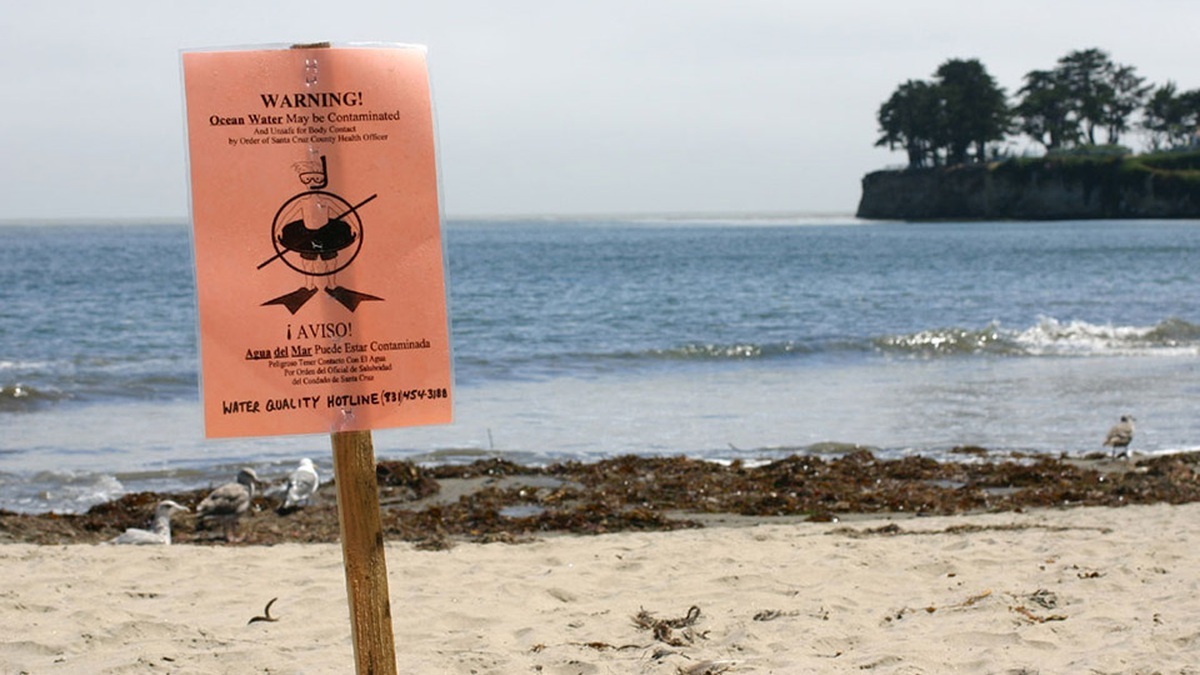
Not every bloom is toxic and harmful species do not always discolor water. Monitoring programs identify cells or toxins, then issue location-specific advisories. A beach warning does not imply that all seafood from a wider region is unsafe.
A systematic review of marine harmful algal blooms and health found extensive evidence for acute illness but important gaps in chronic-exposure research. That imbalance limits claims about long-term effects.
Forecasts combine sampling, satellites and ocean models. They can guide testing and public messaging, but confirmation still depends on observations because wind and currents move a bloom.
Coastal water can transmit infectious disease
Sewage overflows and runoff can carry bacteria, viruses and parasites into bathing water. Swallowing contaminated water raises gastrointestinal risk, while organisms can enter wounds. Warm brackish water can support Vibrio bacteria that cause severe infections in vulnerable people.
Risk depends on exposure and health status. People with liver disease or weakened immunity may face greater danger from certain Vibrio infections. Local health advice after storms or during warm periods is more useful than a general fear of seawater.
Beach managers test indicator bacteria because measuring every pathogen is impractical. Rainfall models can supplement laboratory results, helping agencies issue short-term advisories after runoff events.
Marine pollution moves through food and water
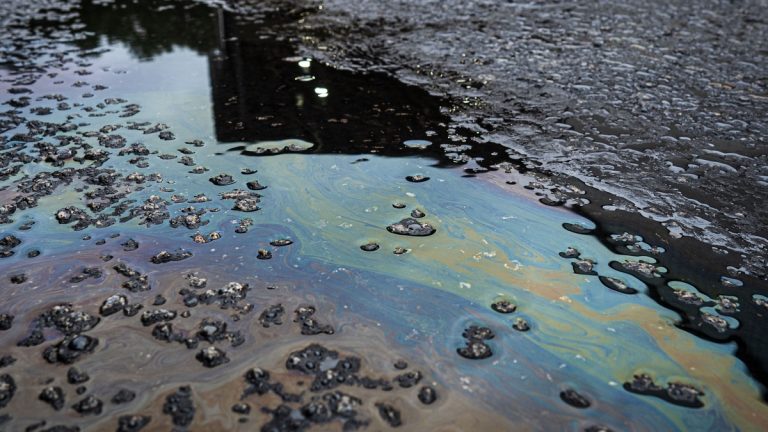
Persistent chemicals can accumulate in organisms and increase in concentration through food webs. Metals, industrial compounds and oil components differ in toxicity and persistence. The word pollution covers substances that require different monitoring methods.
Microplastics are widespread in marine food webs, but exposure does not automatically demonstrate a specific disease. Research is measuring particle size, additives and human dose to move beyond simple detection.
The U.S. Environmental Protection Agency beach program provides information on recreational water quality and state monitoring. Preventing land-based pollution reduces health risk before contaminants disperse.
The ocean moderates climate-related health risks
The ocean absorbs most excess heat trapped by greenhouse gases and a large share of human carbon dioxide emissions. This slows atmospheric warming, but contributes to marine heat waves, sea-level rise and acidification.
Coastal communities face storm surge, flooding and saltwater intrusion. Health effects include injury, displacement, mold exposure and interruption of medical services. Risk is shaped by housing and infrastructure as well as storm intensity.
Climate regulation is therefore a health service with costs transferred into the ocean. Adaptation includes heat planning, resilient drinking-water systems and restored coastal habitats that reduce wave energy in suitable settings.
Blue spaces may support mental and physical wellbeing
Coastal recreation can encourage exercise, social contact and stress relief. Observational studies often find associations between access to blue spaces and wellbeing, but access, income and neighborhood quality can influence both.
Benefits are not automatic. Unsafe water, drowning risk, extreme heat and inaccessible shorelines can turn a recreation resource into a hazard. Inclusive design and lifeguard services affect who can use the coast safely.
Health claims should distinguish a personal response to nature from a clinical treatment. Time by water may support wellbeing, but it does not replace evidence-based mental health care.
Marine organisms contribute to drug discovery
Sponges, microbes, tunicates and other organisms produce unusual chemicals for defense or competition. Researchers screen these molecules for activity, then test safety and efficacy through the same stages required for other drug candidates.
Several approved medicines trace their origins to marine natural products or compounds inspired by them. Discovery does not mean harvesting unlimited wildlife; synthesis, fermentation or aquaculture can provide supply after a useful structure is found.
A review of bioactive compounds from marine algae describes promising chemical diversity while emphasizing the research needed before a molecule becomes therapy.
Bioprospecting also raises questions about permits, benefit sharing and biodiversity protection. Preserving habitats keeps genetic and chemical diversity available for future study.
Ocean health surveillance protects people early
Marine mammals and seabirds can act as sentinels because they share seafood and coastal water with humans. Strandings may reveal toxins, pathogens or food-web changes before the same hazard is recognized through human cases.
Effective surveillance links oceanographers, veterinarians, clinicians and public agencies. The practical answer is reciprocal: ocean condition influences human exposure, while human waste and climate pressures alter the ocean. Prevention works best when both sides are measured together.
Drinking water is connected to coasts
Desalination supplies freshwater in regions where rivers and aquifers cannot meet demand. Treatment removes salt and must also manage microbes, algal toxins and industrial contaminants in intake water.
Coastal aquifers can become salty when pumping lowers freshwater pressure or sea level rises. Once saltwater intrusion reaches wells, treatment costs increase and some supplies become unusable.
Storm surge can contaminate water systems with salt, sewage or fuel. Resilient facilities protect intakes, backup power and distribution networks rather than focusing only on the treatment plant.
Great Lakes and estuaries create similar links between watershed condition and public health. The ocean-health framework applies wherever large water bodies receive runoff and support drinking-water sources.
Occupational health depends on marine conditions
Fishers, divers, port workers and coastal responders experience risks that occasional beach visitors do not. Weather, vessel safety, decompression, noise and hazardous catches all contribute.
A changing ocean can shift fish farther offshore, increasing travel time and fuel exposure. Harmful blooms close fisheries and disrupt income even when workers avoid direct illness.
Occupational surveillance tracks injuries and exposures alongside environmental data. Safety rules need regional evidence because a tropical fishery, cold-water dive operation and container port face different hazards.
Health protection includes forecasts, training and economic support during closures. Asking workers to avoid contaminated water without addressing lost income weakens compliance.
Prepared communities convert forecasts into prevention
Sea-level rise can also affect clinics, roads and emergency evacuation routes in low coastal areas. A health assessment maps these systems together rather than treating shoreline change as property damage alone.
Community preparedness includes accessible warnings in several languages and plans for people who rely on electricity, medication refrigeration or regular treatment.
When marine forecasts connect with hospital and poison-control data, agencies can test whether advisories reach people before exposure. This feedback improves environmental monitoring, medical response and the timing of future coastal warnings.
Related reading: ocean dead zones and harmful algal bloom forecasts.