A restaurant fillet, a dried shark fin, or a carved piece of ivory can become evidence in a wildlife investigation. Marine forensic scientists identify the species behind those items and preserve their methods for legal scrutiny. Their work helps investigators enforce conservation laws while also detecting seafood sold under a false name.
At NOAA Fisheries, the Marine Forensic Laboratory has examined evidence for more than 700 civil and criminal investigations. Samples have included processed seafood, blood, bone, scales and tissue left on fishing gear. Some can be identified from visible anatomy; others require DNA sequencing.
NOAA’s laboratory profile describes a program built to support laws protecting marine species and consumers. A scientific result may guide an enforcement decision or appear in court, so analysts must document how evidence arrived, who handled it, which test was used and how the conclusion was reached.
Marine forensics begins with a legal question
Marine forensic science applies tested methods to evidence connected with law. In a marine case, investigators may need to know whether a shipment contains a protected species, whether seafood has been substituted, or whether separate pieces came from the same animal. The question determines what material is collected and which analysis can answer it.
Species-specific rules make identification important. A white fish fillet may have few visible features after its skin and head are removed. Dried fins or canned meat can look even less distinctive. An analyst must distinguish a regulated species from a legal one using traits that survive processing.
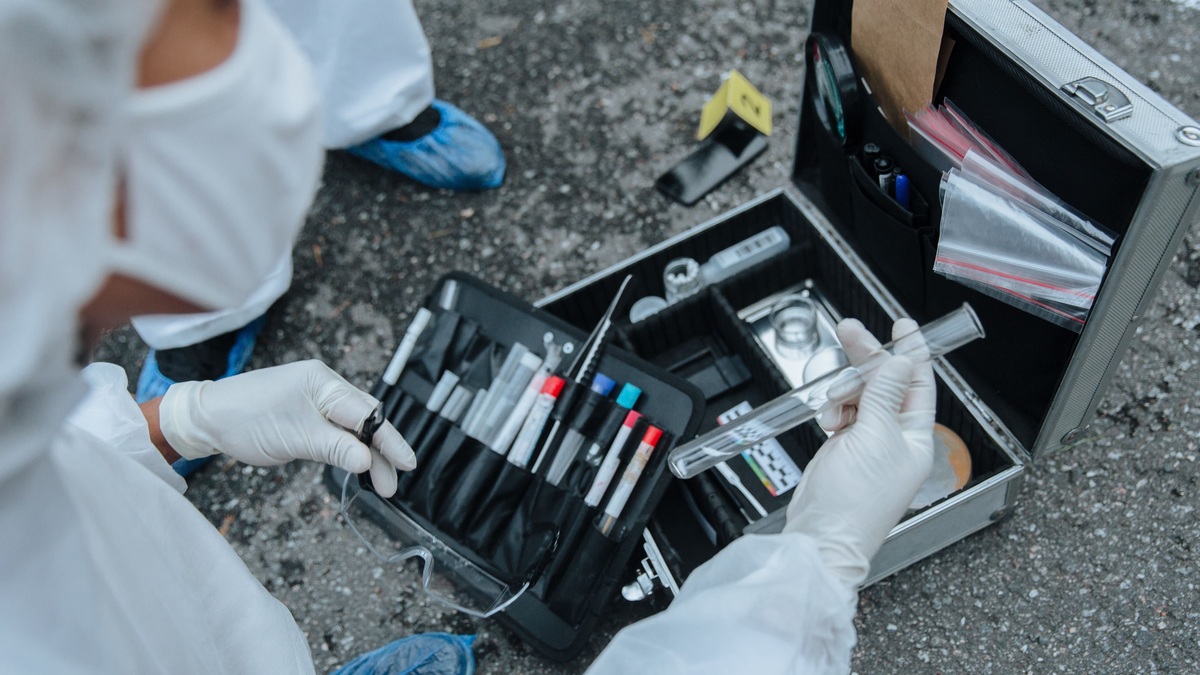
Collection also affects the strength of the result. Officers label and seal evidence, record its location and document transfers. A complete chain of custody establishes whether the item tested in the laboratory is the one collected during the investigation.
DNA barcoding can name a species
Most animal cells contain DNA and some genetic regions differ enough among species to serve as identifying markers. Analysts extract DNA from the evidence, copy a target region, determine its sequence and compare the sequence with validated references. The approach is often called DNA barcoding.
Mitochondrial DNA is useful because cells contain many copies, improving the chance of recovery from small or degraded material. A sequence match must be interpreted alongside the quality of the sample and the completeness of the reference database. Closely related species can require more than one genetic marker.
NOAA reports that its laboratory can work with fish fillets, shark fins, dried tissue, scales, bone, blood and even cells left on a hook. Heavily processed material may yield short fragments rather than intact DNA. Analysts choose methods designed for the expected level of degradation.
The GenBank database stores public genetic sequences from many organisms. Forensic laboratories also rely on voucher specimens identified by taxonomic experts. Linking a sequence to a preserved physical specimen makes the reference easier to verify.
Some questions go below species level. DNA fingerprinting can compare individuals or estimate whether products came from one animal or several. Population markers may help infer geographic origin when populations carry sufficiently different genetic patterns, though conclusions depend on representative reference sampling.
Morphology remains valuable evidence
DNA is powerful, but visible structure can provide a faster or more direct answer. Forensic morphology examines the shape, texture, dimensions and microscopic features of an item. NOAA’s current capabilities include identifying sea turtle shell, seal fur and carved ivory to useful taxonomic levels.
A trained examiner compares an unknown item with documented specimens and identification keys. The method can preserve information that DNA does not provide, such as the type of body part or evidence of how it was modified. It may also avoid destructive sampling when an object must remain intact.
Processed goods create challenges. Polishing can erase surface details, cooking changes tissue and mixtures may contain several species. Laboratories can combine morphology with genetics or chemical analysis when a single method does not resolve the question.
The U.S. Fish and Wildlife Service Forensics Laboratory performs wildlife identification across a much wider range of terrestrial and aquatic evidence. Cooperation among laboratories provides specialist knowledge and reference collections for unusual cases.
Quality controls make a result defensible
Forensic work demands more documentation than an exploratory research project. Analysts follow validated procedures, calibrate equipment, use positive and negative controls and record deviations. Another qualified person may review the case file before a report is released.
Contamination control is crucial for sensitive DNA methods. A trace of tissue transferred from another sample could produce a misleading sequence. Separate work areas, clean tools, protective clothing and blank controls help reveal or prevent unwanted DNA.
The Marine Forensic Laboratory uses a quality management system informed by standards from the Society for Wildlife Forensic Science and the Organization of Scientific Area Committees. NOAA says its certified analysts undergo annual proficiency testing, which checks whether they can reach accurate results on samples whose identities are known to the test provider.
Validation establishes what a method can and cannot do before it is used in casework. Scientists measure sensitivity, specificity, repeatability and the effects of mixtures or degraded material. A report should stay within those demonstrated limits instead of presenting a more precise conclusion than the evidence supports.
Independent assessment examines whether a laboratory follows its stated system. NOAA announced in 2024 that its marine lab completed an assessment by the Society for Wildlife Forensic Science. Such review strengthens confidence in process, although every case still depends on the quality of its particular evidence.
Forensics can expose seafood fraud and illegal trade
Species substitution occurs when a lower-value fish is sold under the name of a more expensive one. Mislabeling may also hide a species subject to harvest restrictions. Genetic identification gives investigators a way to test products after recognizable external features have been removed.
Illegal, unreported and unregulated fishing can move through long supply chains. Fish may cross several borders and change form before reaching a consumer. Traceability records show the documented path, while forensic testing can check whether the biological identity agrees with the paperwork.
The NOAA Fisheries overview of IUU fishing describes the threat to sustainable fisheries and law-abiding producers. Laboratory evidence addresses individual samples; enforcement programs combine it with vessel records, import documents, surveillance and interviews.
Protected wildlife cases extend beyond food. Investigators may submit sea turtle shell, marine mammal parts, coral, or curios sold as another material. Accurate identification links the object to the relevant national law or international trade rule.
Laboratory answers form one part of an investigation
A DNA sequence match cannot explain who caught an animal or whether a seller knew an item was mislabeled. It answers a biological question about the evidence. Investigators and courts place that answer beside records, witness accounts, permits and other facts.
Uncertainty remains explicit. A damaged sample may fail to yield DNA and a reference database may lack the closest species. Population origin can be harder to establish than species identity. Reporting those limits protects the integrity of the result.
New portable tests may bring preliminary screening closer to ports and markets. NOAA has evaluated field forensic devices that amplify genetic material for species identification. Confirmatory laboratory work remains important when a result could support a serious penalty.
Marine forensics succeeds through careful connection of biology with procedure. A small piece of tissue can carry enough information to name a species, while chain of custody and validation determine whether that finding can bear legal weight. Together, those practices give marine conservation laws a scientific means of testing what was actually harvested or sold.
Related reading: marine biogeography and ocean research with autonomous gliders.