Explainer

RSS Feed
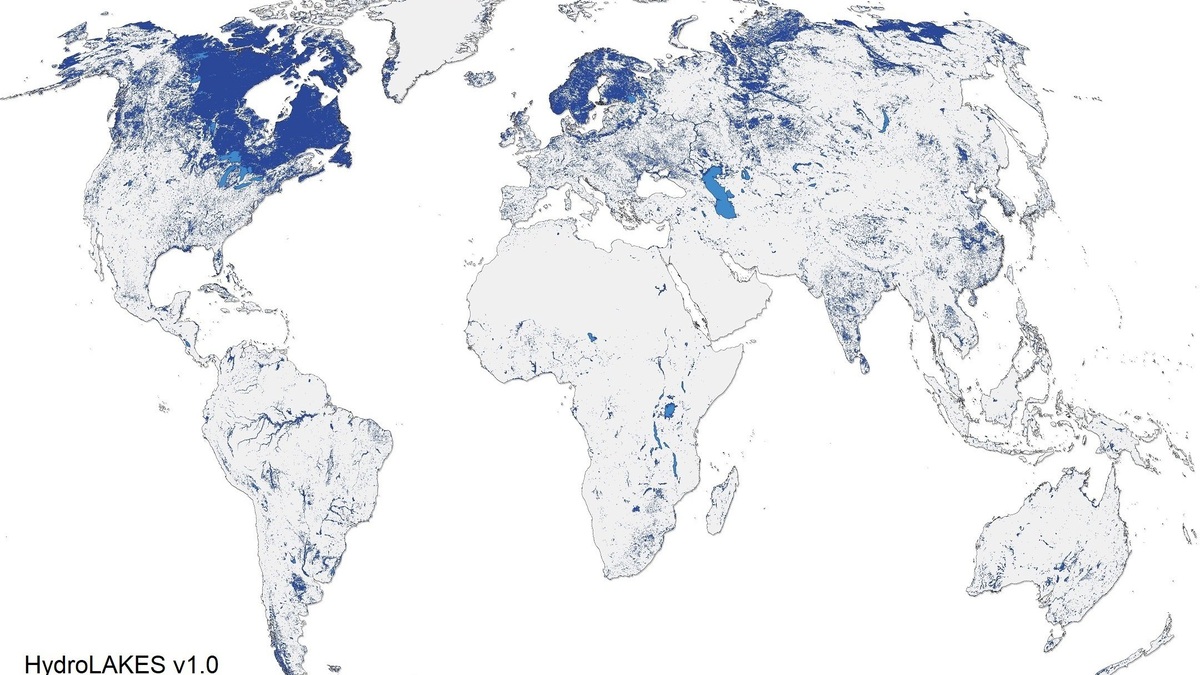
Global HydroLAKES map showing concentrations of lakes and reservoirs

World Map of Lakes and Ponds: Where Surface Water Collects

A world map of lakes and ponds shows dense concentrations across Canada, northern Europe and parts of Russia. Other clusters occupy mountain valleys. River floodplains hold shifting lake systems, while tectonic rifts contain some of the deepest basins. Large water bodies dominate a map viewed at continental scale, while millions of small ponds disappear below…
More

More in Explainer

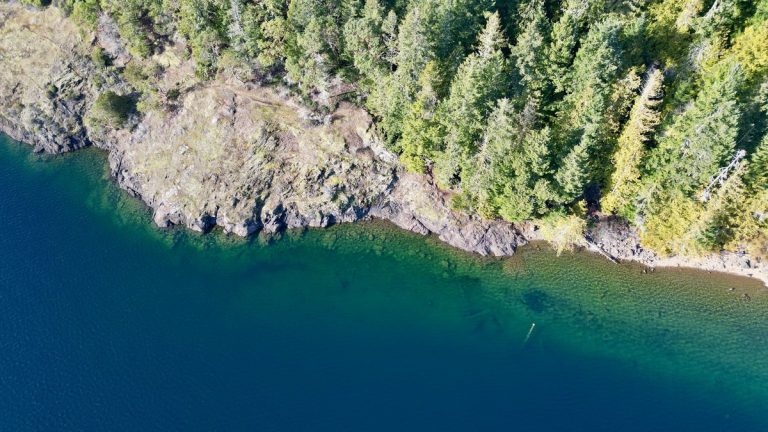
A stunning aerial view of a lush green forest along a tranquil blue lake shoreline

What Is a Seepage Lake?

A seepage lake is a lake with no regular surface-water inlet or outlet. It receives water from precipitation, limited runoff and groundwater exchange, then loses water mainly through evaporation or seepage into the ground. It may overflow occasionally during unusually high water without becoming a normal drainage lake. The definition describes surface connections, not one…

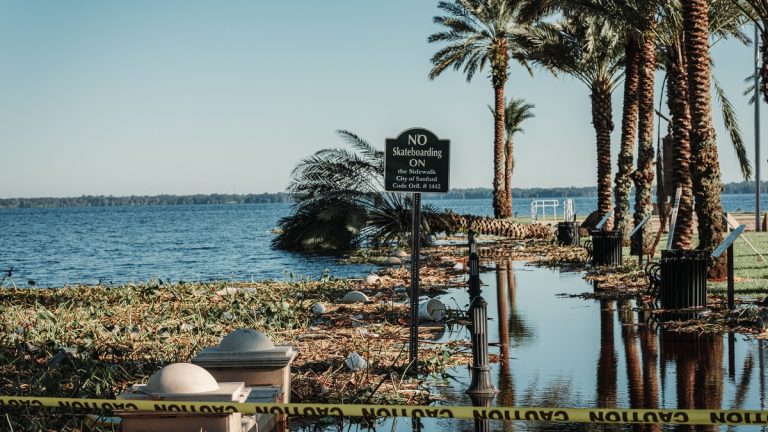
A flooded pathway with caution tape and palm trees by a lake in Sanford, Florida

Can Lakes Flood?

Yes, lakes can flood. Flooding occurs when the lake surface rises high enough to cover normally dry shoreline, damage structures or block access. Heavy rain, snowmelt, river inflow, rising groundwater, a restricted outlet, reservoir operations and wind-driven water movement can all contribute. A lake flood may build over hours or over several wet seasons. The…

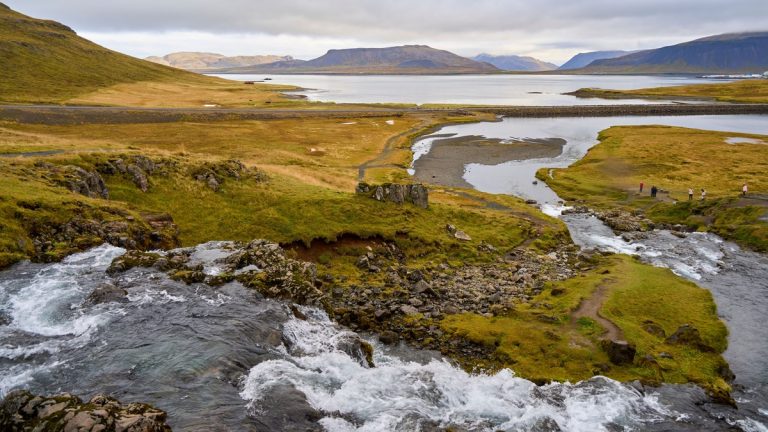
A breathtaking aerial view of a pristine Icelandic landscape featuring a flowing river and serene lake

Lake vs. River: What Is the Difference?

A lake is a body of standing or slowly circulating water held in a basin, while a river is channelized water flowing downhill toward another river, a lake or the sea. Lakes store water across a broad surface. Rivers transfer water through a connected channel network. The distinction is useful but not absolute. A river…