Explainer

RSS Feed
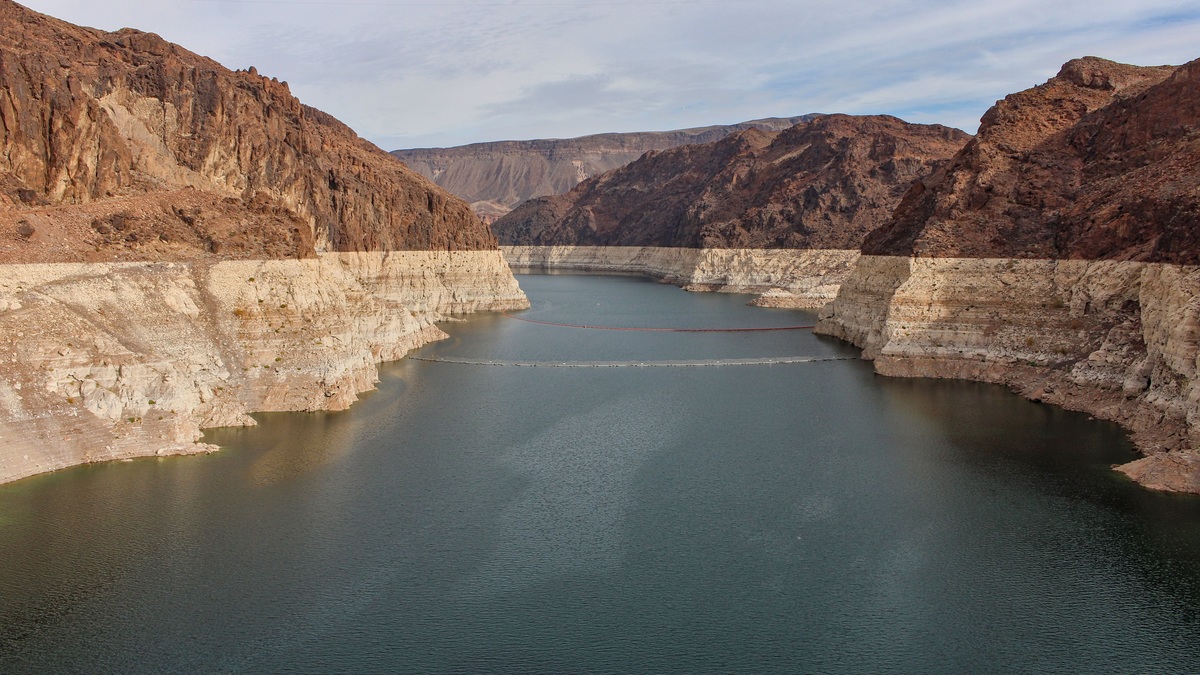
Reservoir_water_level_and_exposed_shoreline

Lake Water Budget: Where a Lake Gains and Loses Water

A lake water budget accounts for every major way water enters or leaves a lake, together with the resulting change in storage. Inputs commonly include precipitation on the lake, stream inflow and groundwater. Outputs include evaporation, stream outflow, groundwater loss and withdrawals. If inflow exceeds outflow, the lake stores more water and its level generally…

More

More in Explainer

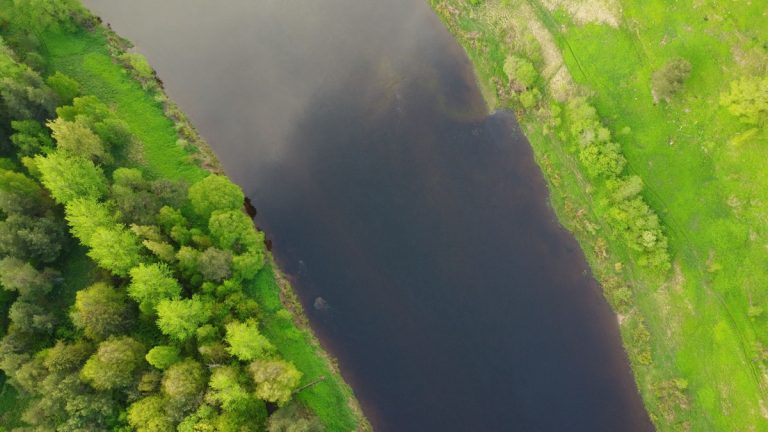
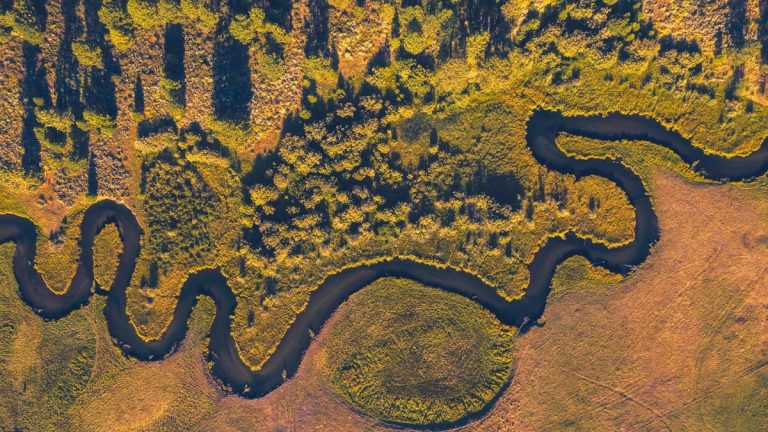
Winding_river_and_its_surrounding_watershed

Watershed vs. Drainage Basin vs. Catchment

Watershed, drainage basin and catchment usually describe the same core feature: an area of land whose surface water drains to a common outlet. The preferred word changes by country, profession and mapping system. Scale and the chosen outlet matter more than the label. In some older geographic usage, “watershed” means the high boundary separating basins.…

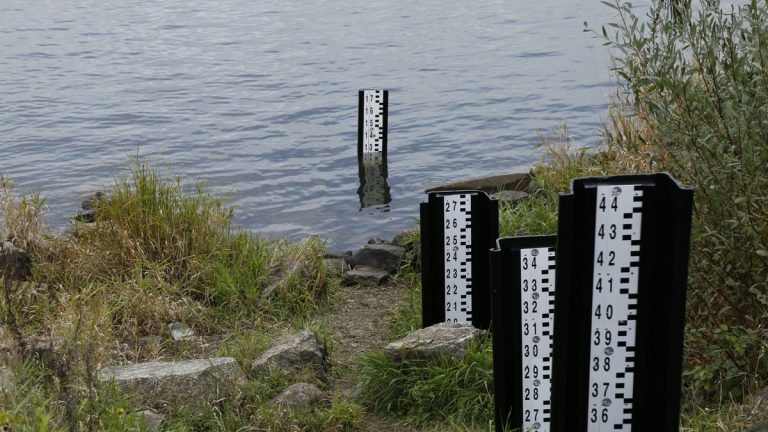
A water level measurement post standing in a lake, surrounded by rocks and vegetation

Why Do Water Levels in Wells Rise and Fall?

Water levels in wells rise and fall because hydraulic pressure in the connected aquifer changes. Recharge can raise the level, while pumping and drought lower it. Seasonal plant use, nearby rivers and even tides or atmospheric pressure can influence certain wells. A well reading is therefore a measurement of aquifer conditions at a particular place…

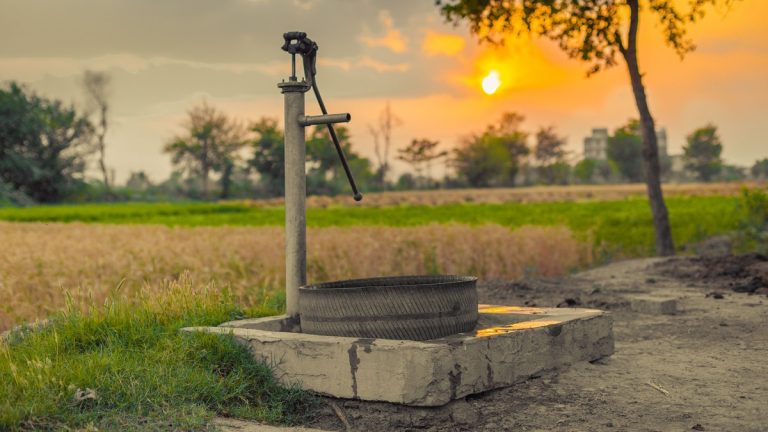
Rural_hand_pump_at_sunset

How Do Groundwater Wells Work?

A groundwater well is a constructed opening that reaches saturated soil or rock and allows water to enter a casing. A pump usually lifts that water to the surface. The well does not create groundwater or draw from an underground pipe; it intercepts an aquifer and changes the local flow toward its intake. Reliable production…