Lake Michigan supports animals from tiny open-water crustaceans to lake trout, diving birds and shoreline mammals. The complete community extends beyond the water itself. Beaches, dunes, coastal marshes and tributary mouths provide feeding or breeding habitat for species that depend on the lake without spending their entire lives in it.
The southern shore illustrates this variety especially well. The National Park Service reports 71 fish species and more than 350 bird species at Indiana Dunes National Park, along with dozens of mammals, reptiles and amphibians. Those counts describe the park and its connected habitats rather than the whole lake, but they reveal how many kinds of animals can gather along one section of coast.
Fish occupy different depths and habitats
Lake trout are native cold-water predators that spend much of their time in deep water, especially when the surface warms. Burbot also favor cold conditions and often remain near the bottom. Yellow perch use shallower zones, while smallmouth bass commonly associate with rocky habitat.
Tributaries add seasonal movement to the fish community. Chinook and coho salmon were introduced to the Great Lakes and now support prominent fisheries. Mature salmon leave the lake and enter streams to spawn. Steelhead, a migratory form of rainbow trout, also moves between tributaries and open water.
The lake’s fish community has changed substantially through stocking, harvest and invasive species. Readers looking for a species-focused overview can compare the main native and introduced groups in Argo’s guide to fish in Lake Michigan. Fisheries surveys distinguish a species’ presence from its abundance, which can rise or fall without changing a checklist.
Plankton and bottom animals power the food web
Many Lake Michigan animals are too small to attract attention from shore. Zooplankton graze on algae or consume smaller organisms in the water column. Larval fish and small forage fish then feed on these drifting animals, moving their energy toward larger predators.
On the lakebed, insect larvae, worms and small crustaceans process organic material. Amphipods once supplied abundant prey in deep areas. Changes to bottom habitat and the spread of nonnative mussels have altered where food is available.
Zebra mussels and quagga mussels filter particles from the water. Their feeding can make water clearer while shifting nutrients toward the bottom. Quagga mussels now occupy deep as well as shallow zones, connecting the entire lakebed to an ecological change that began with human-assisted introduction.
Birds follow the shoreline and open water
Lake Michigan lies along major migration routes. Shoreline parks offer places for birds to rest and feed as they move around the lake’s southern end. Warblers and other land birds concentrate near the coast during migration, while shorebirds search exposed sand or mud for invertebrates.
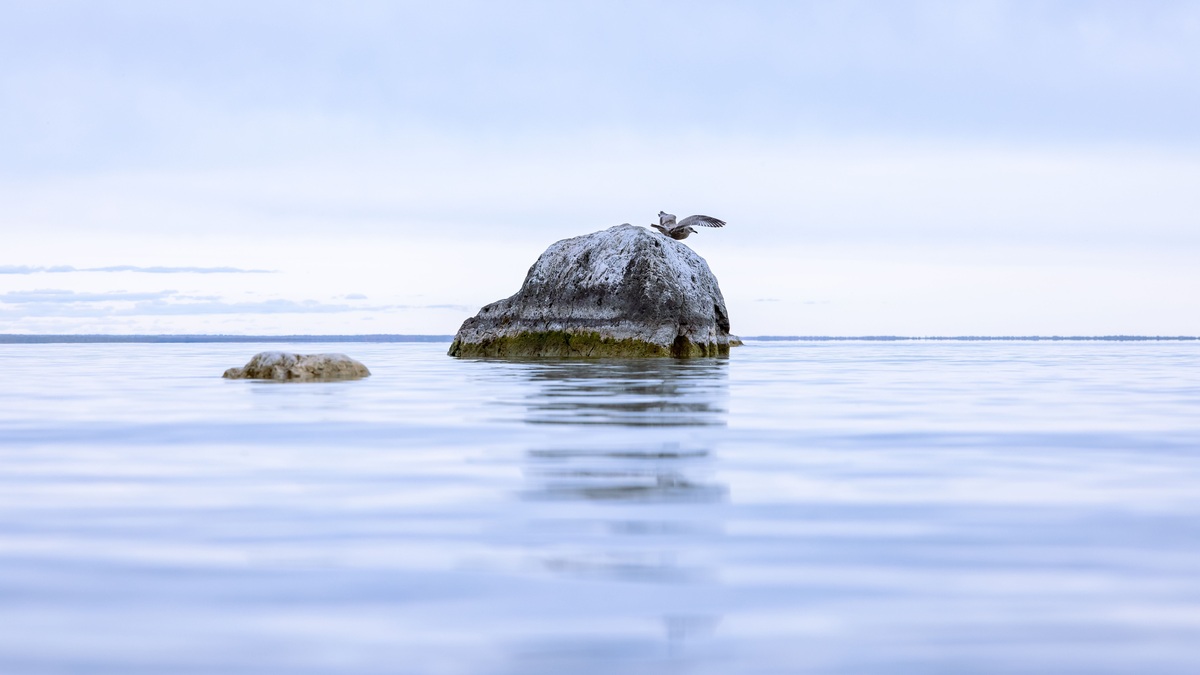
Open water attracts fish-eating birds. Double-crested cormorants pursue prey by diving, common mergansers swim after fish and herring gulls forage across shore and lake habitats. Bald eagles can take fish near the surface or scavenge along the coast.
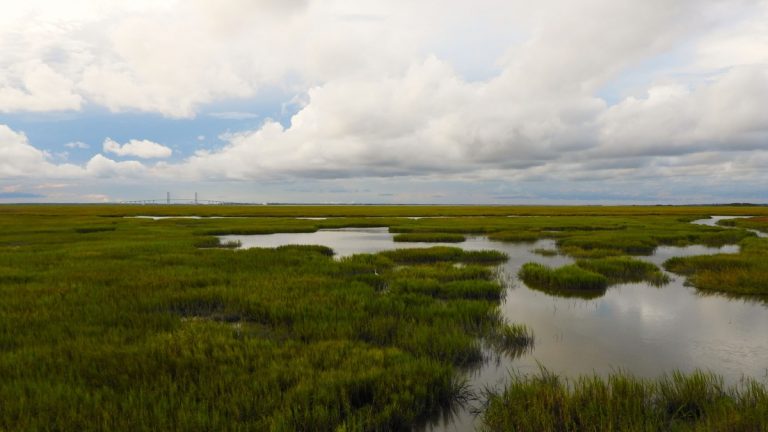
Coastal wetlands broaden the range of bird habitat. Great blue herons hunt in shallow water and marsh birds use dense emergent vegetation. Indiana Dunes includes a great blue heron rookery, showing that even a bird seen feeding at the water may depend on suitable nesting trees nearby.
Mammals live at the water’s edge
Beavers, muskrats and mink occupy wetlands or tributaries connected to Lake Michigan. Beavers alter smaller waterways by building dams, while muskrats feed heavily on aquatic vegetation. Mink hunt along the edge for small animals and fish.
Raccoons patrol beaches and marsh margins for exposed food. White-tailed deer commonly use the forests and dunes behind the shoreline. Coyotes range across the coastal landscape and are the largest resident predator listed by the National Park Service at Indiana Dunes.
These mammals belong to the broader Lake Michigan watershed rather than the open lake. Water draining through their habitat eventually reaches the lake, as explained in Argo’s overview of the Lake Michigan watershed. Wetland condition and shoreline development therefore influence both terrestrial wildlife and aquatic habitat.
Reptiles and amphibians depend on coastal wetlands
Frogs and toads breed in ponds, marshes or other shallow water near the coast. Their calls become conspicuous during spring and summer. Salamanders rely on moist habitat and often remain hidden beneath vegetation or woody debris.
Painted turtles bask around quiet wetlands. Northern water snakes swim and hunt near shore, where they can take fish or amphibians. The six-lined racerunner uses warm sandy ground in dunes and blowouts, linking the lake’s geologic shoreline to an animal more often seen on land.
The National Park Service lists 18 amphibian species and 23 reptile species at Indiana Dunes. Such diversity reflects the close arrangement of marshes, dunes and forests near the lake. A single open-water description would miss most of these animals.
Rare insects survive in the dunes
The federally endangered Karner blue butterfly occurs in the Indiana Dunes region. Its caterpillars require wild lupine, so protecting the butterfly also means maintaining the open habitat where that plant grows. Fire suppression or woody encroachment can gradually reduce suitable sites.
Dragonflies and damselflies begin life as aquatic predators before emerging as flying adults. Indiana Dunes records about 60 species across those two groups. Their life cycle connects wetland water quality with the insects visible over trails and shorelines.
Beaches also support specialized invertebrates that tolerate wind, shifting sand and sparse vegetation. These small animals feed birds and help process organic debris washed ashore.
Invasive species have reorganized animal communities
Sea lampreys entered the upper Great Lakes through shipping canals and prey on large fish by attaching to them. Control programs reduced their abundance, but continued management is needed. Alewife, another nonnative fish, became a major prey species and helped support introduced salmon fisheries.
Round gobies spread through rocky nearshore habitat and consume eggs or small bottom animals. Larger fish now eat gobies, demonstrating how an invader can become both a competitor and a food source. The resulting food web differs from the one that existed before commercial shipping connected distant waters.
Habitat change adds pressure beyond biological invasions. Wetland loss removes nursery areas and migration stops, while hardened shorelines simplify habitat. Argo’s article on Great Lakes habitat loss describes why protecting connected coastal areas is essential for species that move between water and land.
Where visitors are most likely to see wildlife
Bird migration offers the greatest visible variety near the southern shore during spring and fall. Quiet marsh edges can reveal herons, turtles or muskrats, while offshore observations may include gulls and diving waterbirds. Fish are easier to understand through local fishing reports or agency surveys than through a brief look from the beach.
Wildlife changes with season, depth and location. A coyote in the dunes, a lake trout below cold deep water and a dragonfly above a marsh are all animals of Lake Michigan’s ecosystem, but each depends on a different part of it. The lake’s biological richness comes from those connected habitats rather than from open water alone.
The park’s broader nature inventory describes more than 16,000 acres of beaches, wetlands and upland communities along 15 miles of shoreline. Its public species checklist is continually updated, a useful reminder that wildlife totals are records assembled over time rather than a promise that every listed animal can be seen during one visit.
For human use of that fauna and shoreline, see Argo’s guide to surf fishing Lake Michigan. The lake’s wider political geography is summarized in the eight U.S. Great Lakes states.
Physical context for those habitats appears in the Lake Michigan depth and contour guide. Argo also collects 15 verified facts about Lake Michigan.