Lake Erie can turn a simple beach day or boat ride into a demanding situation when wind, waves, water temperature, or water quality change. The lake itself is a major recreational resource. Many days are suitable for swimming, fishing, paddling and sailing. The important point is that conditions can shift quickly. A forecast, a beach flag and the location of a pier can matter as much as the temperature on shore.
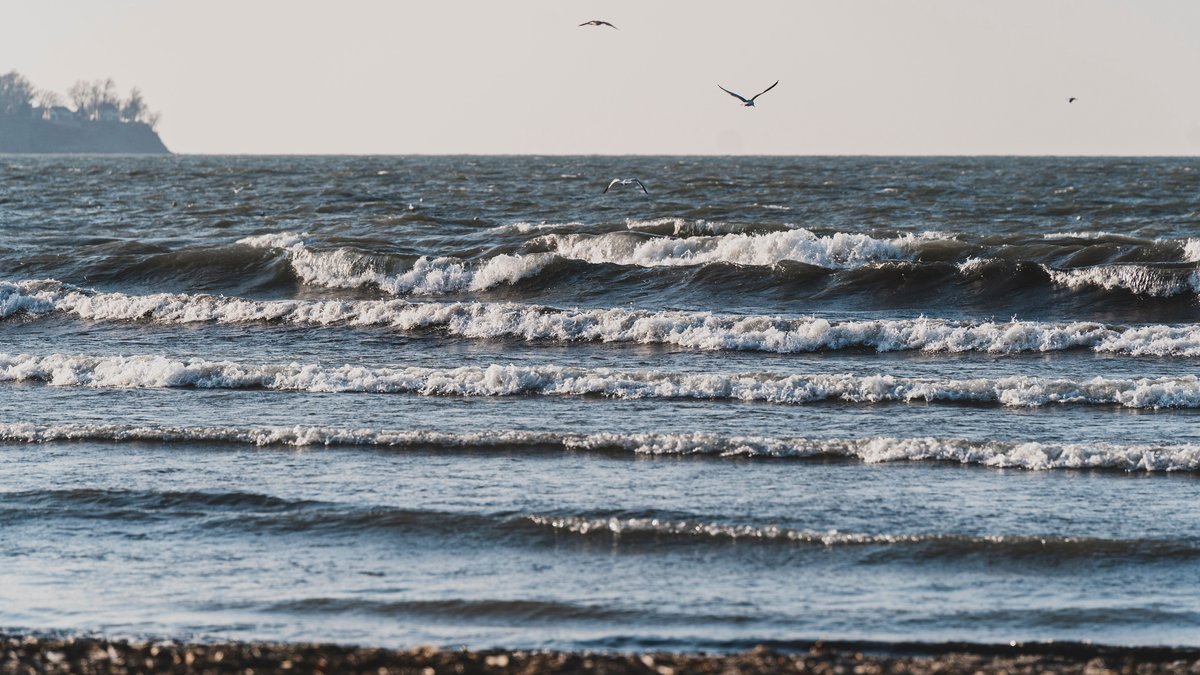
Wave action creates moving water at the beach and that movement can concentrate in places that are hard to spot from dry sand. NOAA’s Lake Erie guidance explains that rip currents can form at Great Lakes beaches with breaking waves. They move water away from shore through the surf zone. Sudden waves and currents mean a lake beach deserves the same attention to surf conditions that visitors give an ocean beach.
Waves and currents change fast
Rip currents are narrow flows of water that travel away from shore. Incoming waves can push water toward the beach, then that water finds a lower gap in a sandbar or another route back toward open water. A person caught in the flow may be carried away from shore, especially when waves are breaking hard. Even a mild-looking current can tire a swimmer.
Lake Erie’s daily beach conditions are driven chiefly by wind, waves, bottom shape and local structures. Strong onshore wind can raise breaking waves, while a change in wind direction can rearrange the surf. Conditions also differ along the shoreline. A protected cove and an exposed beach can have very different water at the same time.
The safest response starts before anyone enters the water. Check the NOAA rip-current safety information and the local forecast. At the beach, talk with a lifeguard or beach staff when they are available. If someone is swept away from shore, conserving energy, floating and signaling for help are safer priorities than fighting the flow head-on.
Warnings deserve to be taken literally. NWS Cleveland lists low, moderate and high swim risk categories in its beach products. Moderate risk means waves and currents are expected, while high risk means life-threatening waves and currents are expected. A low rating still calls for care around piers, breakwalls and river outlets, where local currents can persist.
Piers create structural currents
A pier or breakwall changes where water can go. Waves moving toward shore can meet the structure and funnel along it, producing structural currents. The current can be strongest on the side facing incoming waves. A swimmer who enters close to the structure may have little room to move away from it and the waves can make a return toward the beach much harder.
Breaking waves and structural currents are especially important because piers can look like inviting places to jump or watch the surf. The National Weather Service advises staying well away from them when conditions are rough. Give river mouths the same respect. Water leaving a river can keep moving into the lake after it passes the shoreline, creating a current pattern distinct from the surrounding beach.
Visual clues can help, although they are never a guarantee. A break in the line of incoming waves, a darker or choppier channel, or foam moving steadily lakeward can point to moving water. Choose a guarded area when possible and keep a generous distance from walls, jetties and outlets. Children and weak swimmers need close supervision even in shallow water, because a sudden current can move them beyond their footing.
Beach judgment also depends on the people in the water. A skilled surf swimmer may recognize a changing current, while a visitor who usually swims in a pool may miss its signs. Life jackets and other properly fitted flotation devices add a margin of safety for people who need them. A flotation device offers no reason to enter a pier-side current or high-surf warning.
Cold water changes the equation
Water can feel surprisingly cold even after a warm day on land. A sudden fall from a boat, a jump from a dock, or a quick move into deeper water can make breathing harder and reduce comfortable movement. Cold-water immersion can therefore turn a manageable distance into a serious problem, particularly for someone already dealing with waves or a current.
Spring and early summer call for extra care and cold conditions can return in other seasons as wind moves surface water or changes the nearshore mix. Check the reported water temperature as well as the air temperature. Dress for the water when paddling or boating and keep spare dry layers ready. A personal flotation device gives a person more time to stabilize and make a decision after an unexpected entry.
Boaters face a different version of the same risk. A small craft that takes spray over the bow can chill its passengers before anyone falls in. Sudden waves also make it harder to steer, communicate, or help another person aboard. Boating risks grow when a vessel is overloaded, when loose gear is unsecured, or when everyone has been relying on warm air rather than the actual water conditions.
Cold water calls for a more deliberate plan. File a float plan, wear the flotation device rather than storing it and choose a route with a realistic return option. Paddlers should practice re-entry in controlled conditions. Crews on powerboats and sailboats should agree on who watches the weather, who handles life jackets and where the nearest protected harbor is.
Blooms and storms need separate checks
Harmful algal blooms are a water-quality concern that requires its own decision. In freshwater, cyanobacteria can produce toxins under some conditions. An obvious scum, discoloration, or posted advisory should keep people and pets out of the water. Appearance alone cannot confirm safety, so current local advisories matter more than guessing from the color of the lake.
The EPA tracks Lake Erie water quality data, including nutrient loads, blooms and low-oxygen conditions. Its records describe particularly important bloom dynamics in the western basin and show that severity changes from year to year. Rapid changes in water quality are a reason to check current notices before swimming, letting a dog enter the water, or using lake water in a way that could lead to swallowing it.
Weather is a separate, immediate hazard. Severe thunderstorms can bring lightning, powerful gusts and sharply higher waves. On a lake, a horizon that looks clear can create false comfort because storms may approach across open water. Leave the beach or water when thunder is heard. Boaters should head for safe harbor early rather than waiting for the first hard gusts.
In the colder part of the year, lake-effect snow can add fast-changing visibility, wind and road conditions around the shore. Lake-effect processes begin when cold air passes over relatively warmer lake water, gathering heat and moisture. The resulting bands can be localized, which means a calm-looking route can change over a short distance. Localized weather is another reason to check a forecast for the exact shoreline or open-water zone.
Different plans for swimmers and boaters
Swimmers should start with the beach forecast, the flag system and a look at the surf before unpacking towels. NWS Cleveland’s marine and beach forecast combines wave height, thunderstorm potential and swim-risk information for many Lake Erie beaches. Choose a lifeguarded beach when possible, stay away from piers and outlets and make a clear plan for children before anyone goes in.
Boaters need to read the forecast as a route-planning tool. Wind direction and expected wave height can change the sensible choice of vessel. Thunderstorm timing and small craft advisories can also affect the destination or departure time. Check equipment before leaving the dock, make sure every passenger has a properly sized life jacket, carry reliable communication and turn back while a protected harbor remains easy to reach.
State and local programs provide another layer of useful information. Michigan EGLE’s beach water monitoring page explains the role of public monitoring and local beach notices. Follow the agency responsible for the specific beach or marina you plan to use, because advisories and closures apply to particular places and dates.
Lake Erie is best approached with respect for conditions rather than fear of the lake. A calm forecast, a suitable location, a flotation device and a willingness to change plans create a far safer outing. The key habits are simple: check the water and weather, keep clear of structures, treat warnings as real and choose the day and activity that match everyone’s skills.
Lake Erie’s place in the freshwater chain appears in Argo’s Great Lakes overview. A separate guide explains how to evaluate swimming conditions in Lake Michigan.