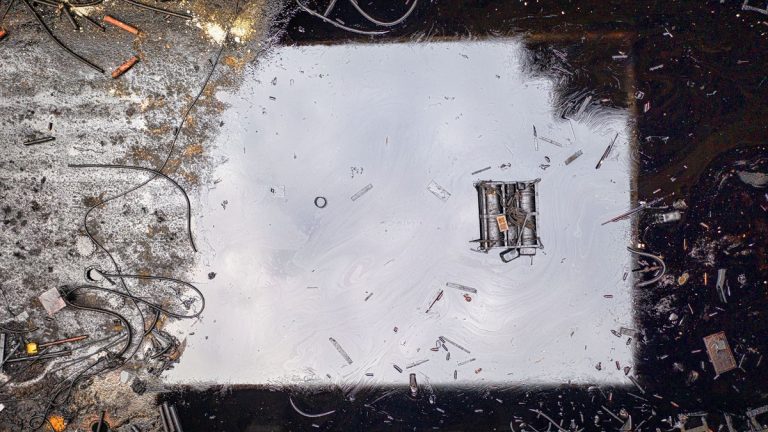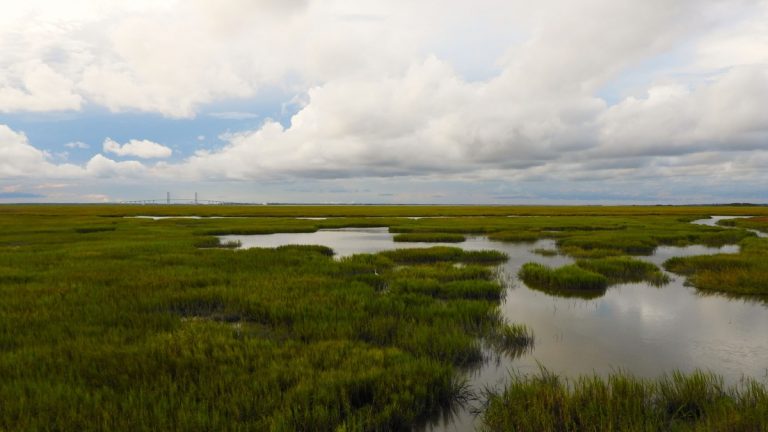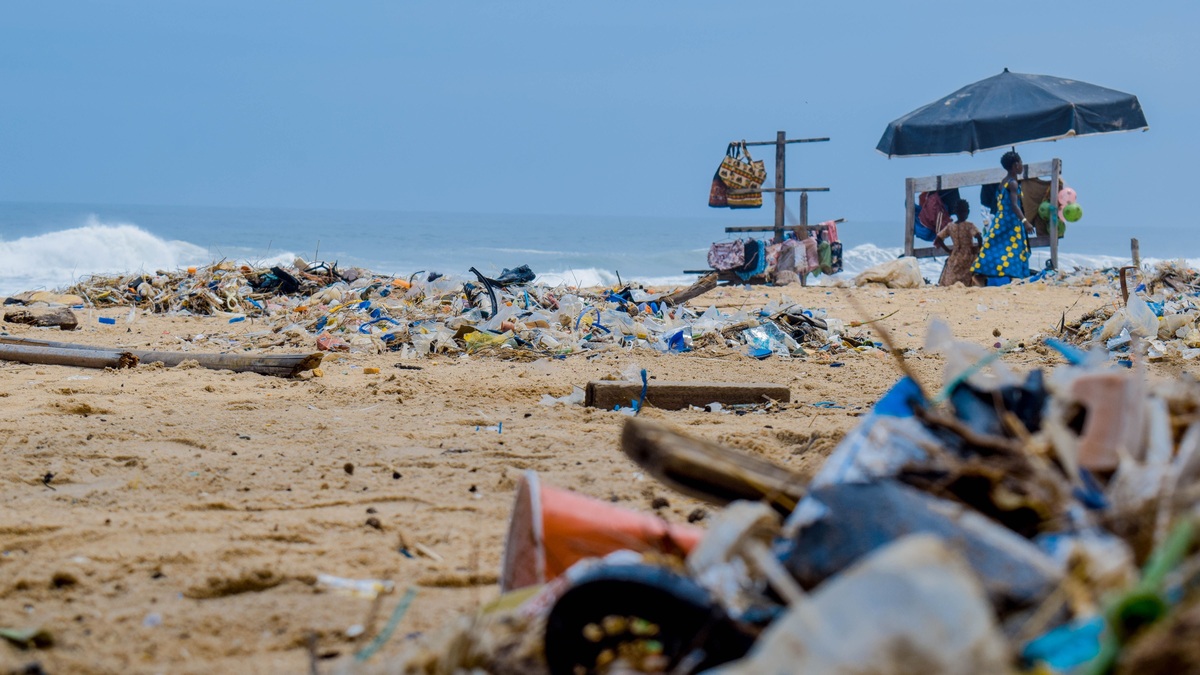
Marine debris is persistent human-made solid material that has been lost, discarded or abandoned in the ocean, coastal water or Great Lakes. It ranges from a cigarette filter to a derelict vessel. The definition follows where an object ends up and how it got there, rather than one material or size.
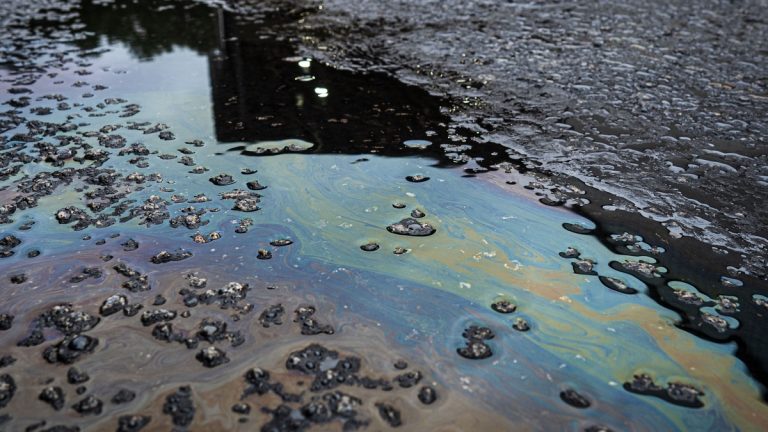
NOAA’s marine debris definition includes material disposed of directly or carried into water indirectly. Plastic packaging is common, while metal, glass, rubber, processed wood and fishing gear also qualify. Oil and dissolved chemicals are pollution, but they are outside this solid-debris category.
Debris has reached remote beaches, Arctic ice and the deep seafloor. Its spread begins with ordinary movement through watersheds and coasts. Wind, rain, drains, rivers and waves can carry an item far beyond the place where someone dropped or lost it.
Most debris begins with an identifiable activity
Land-based litter can enter storm drains, wash from streets or blow from poorly contained waste. Rivers collect material across a watershed and deliver some of it to the coast. Floods and disasters can release large amounts in a short period.
Recreation contributes items left on beaches or lost from boats. Fishing produces line, nets, floats and traps. Cargo operations can lose containers or packaging, while abandoned vessels add fuel-related and navigation concerns alongside solid material.
The NOAA Marine Debris Program defines the problem broadly because source control depends on the object. A campaign aimed at food wrappers will not recover submerged traps and gear marking will not stop litter carried by a river.
Source studies examine labels, object types and nearby activity. Cleanup records show what reaches an accessible shoreline, but they may underrepresent heavy items on the bottom or fragments too small to collect by hand.
Currents move debris through the water
Buoyancy determines an object’s first path. Low-density plastic may float, while glass or metal generally sinks. Waterlogged wood and plastic coated with organisms can change depth as their effective density changes.
Winds act directly on objects protruding above the surface. Surface currents carry floating material and waves mix smaller pieces downward. Ocean gyres create broad convergence regions where some debris becomes more concentrated.
Shorelines can trap material temporarily. A later high tide or storm may return it to the water. Coves, mangrove roots and rocky crevices collect debris according to local shape and wave direction.
Movement continues below the surface. Material can settle with sediment or slide through submarine canyons. Bottom currents redistribute it, which helps explain debris found far offshore and at great depth.
Wildlife faces ingestion and entanglement
Ropes, loops and nets can wrap around fins, wings or necks. Entanglement restricts movement and may cut into tissue. Air-breathing animals can drown when gear prevents them from reaching the surface.
Animals may swallow objects that resemble prey or carry food odors. Large items can block a digestive tract, while small particles create different exposure. The biological response depends on species, amount and the physical or chemical properties of the debris.
Derelict traps and nets can continue catching animals, a process called ghost fishing. The lost catch affects wildlife and the fishery. Gear dragged by current can also scrape coral, seagrass or other bottom habitat.
Floating debris transports attached organisms. Durable plastic can carry coastal species across open water for longer than many natural rafts persist. Researchers are studying where those travelers survive and whether they alter communities at their destination.
Debris also affects people and infrastructure
Line or netting can wrap around a propeller. Large objects create collision hazards and submerged debris can obstruct navigation. Ports and marinas spend money removing material that interferes with safe operation.
Tourist beaches lose appeal when litter accumulates. Cleanup requires labor and disposal capacity, often after the object has already fragmented. Fishing communities bear replacement costs when gear is lost and may lose catch to ghost fishing.
Sharp metal or glass can injure beach users. The health implications of microplastic exposure remain under study and should be separated from demonstrated physical hazards. Economic costs differ by coastline and debris type.
Prevention reaches farther than cleanup
Shoreline cleanups remove material before waves carry it back to sea. They also generate local data about common objects. Their reach is limited to accessible areas and debris large enough to find.
Prevention targets the flow upstream. Covered bins, reliable collection and storm-drain controls keep waste from escaping. Fishing programs use gear marking, disposal sites and designs that stop catching after loss.
Product choices influence persistence and recovery. Reducing unnecessary disposable material can lower the amount available to leak, while reuse keeps an object in managed circulation longer. Recycling helps only when collection and markets actually capture the item.
The UNEP global assessment reports that plastics form the largest and most persistent fraction of marine litter. A full response still includes nonplastic debris, because a steel trap or abandoned vessel can cause serious local harm.
Marine debris is preventable in a way many natural hazards are not. Once dispersed, however, it becomes expensive and sometimes impossible to recover without disturbing wildlife. Keeping solid material in controlled use and waste systems offers the clearest route to reducing what reaches the water.
Storms create a distinct debris problem
Hurricanes, floods and tsunamis can move buildings, household goods and vessels into the water. The resulting field differs from routine litter because it may contain heavy objects, hazardous materials and identifiable private property.
Disaster debris response begins with navigation and public safety. Authorities map sunken vessels or large obstructions, then determine ownership and disposal rules. Rapid removal may be necessary before another tide moves an object into a channel.
Preparedness reduces the amount released. Securing boats, containers and waterfront equipment before a storm can prevent losses. Plans for temporary storage and sorting help communities manage the sudden volume after landfall.
Monitoring shows whether prevention works
Shoreline surveys use fixed lengths, repeat schedules and consistent object categories. They can reveal seasonal patterns or a change after a local policy. Volunteers expand coverage when training and data checks keep observations comparable.
River monitoring measures one pathway before debris reaches the coast. Cameras, nets or collection devices record different size ranges, so reports need to state what the method could miss.
At sea, visual surveys favor large objects while trawls collect smaller pieces. Seafloor imaging finds heavy debris in limited areas. Combining methods creates a fuller picture than any single count.
Success means a sustained decline in targeted items, not only a large cleanup total. Trend data can show whether fewer objects arrive even as crews become more efficient at finding them.
Comparable records reveal the strongest pathway
Item categories must remain stable long enough to reveal a trend. If one survey records every foam fragment and another groups them as a single object, their totals cannot be compared directly. Photographs and written protocols make later quality checks possible.
Monitoring also tests where interception works best. A device near a river mouth may collect a large mass after rain, while upstream controls prevent the same waste from entering water at all. Pathway analysis helps communities invest in the point with the greatest lasting effect. Records should pair object counts with rainfall, river flow and nearby activity. A surge after one flood requires a different response from a steady stream of food packaging during dry weather, even when the annual totals are equal. Repeated observation tests whether the chosen intervention changes that pattern. Clear records also allow neighboring communities to compare nearby results without assuming identical sources. Consistent records make prevention measurable.
Related reading: how much plastic is in the ocean and flotsam and jetsam.