A marine protected area is the broad category; a marine reserve is a highly protected type within it. An MPA can allow fishing, boating, tourism or other uses under site-specific rules. A reserve generally prohibits extracting or destroying natural resources, which is why it is often called a no-take area.
The names are not perfectly standardized across every country and law. Readers should use the designation as a starting point, then consult the official regulation and zoning map for the site. The practical difference lies in what is protected, which activities are allowed and how long the rules remain in force.
What counts as a marine protected area
The U.S. National Marine Protected Areas Center defines an MPA as a marine area reserved through law or regulation to provide lasting protection for natural or cultural resources. The term includes coastal waters, the open ocean, estuaries and the Great Lakes.
Protection can pursue several objectives. One site may conserve coral habitat, another may protect a shipwreck and a third may safeguard a culturally important seascape. The legal authority can be federal, state, territorial, tribal or local.
NOAA’s overview of U.S. MPAs emphasizes their range. National marine sanctuaries, monuments, parks, wildlife refuges and state conservation areas can all fall under the umbrella when they meet the lasting, place-based protection criteria.
Temporary fisheries closures may protect spawning fish yet fail the permanence criterion used in an MPA inventory. They can still be valuable management tools. Classification asks a narrower question about whether protection is place based and expected to endure.
What makes a marine reserve different
A marine reserve is generally an MPA where extractive uses are prohibited. Fishing, collecting organisms and mining are the clearest examples. Some reserves also restrict anchoring or other activities capable of damaging sensitive habitat.
The NOAA MPA glossary defines a marine reserve as a no-take MPA. Access may still be allowed for recreation, education or research unless separate rules prohibit it. No-take and no-entry are therefore different levels of restriction.
Every reserve is an MPA under this system, but most MPAs are not reserves. A multiple-use sanctuary may contain a small no-take reserve inside a much larger area. The outer designation and inner zone then have different rules even though both appear on one map.
Terminology can change across jurisdictions. “Ecological reserve,” “sanctuary preservation area” and “research natural area” may describe no-take zones in particular programs. The regulation determines the protection, not the everyday meaning of the label.
What activities an MPA may allow
Many MPAs permit recreational or commercial fishing under existing limits. Boating, diving, swimming and wildlife viewing may continue. Some also allow shipping lanes, military activity or infrastructure subject to permits and environmental review.
Multiple-use zoning separates activities that would conflict if they occurred in the same place. A sanctuary might protect a research zone from fishing while allowing fishing elsewhere, direct large vessels away from a sensitive reef and establish anchoring rules near coral.
Allowed use is not the same as unmanaged use. Fishing that continues inside an MPA may still be governed by catch limits, gear rules or habitat closures. A permitted activity can face stricter conditions inside the boundary than it does in surrounding water.
NOAA’s MPA classification system distinguishes uniform multiple-use sites, zoned sites, no-take areas, no-impact areas and no-access areas. Those categories describe increasing restrictions, but the management objective and permanence also matter.
Why reserves use no-take rules
Removing fishing mortality can allow targeted animals to survive longer and reach larger sizes. Protection also reduces direct gear damage and preserves interactions among predators, grazers and habitat-forming species. Responses depend on enforcement, reserve age, habitat quality and the mobility of the species involved.
NOAA reports that monitoring studies have found higher biomass, organism size, density and species richness within many reserves. These averages do not promise the same outcome at every site. A reserve placed over degraded habitat without enforcement may perform differently from a well-designed network.
Benefits can extend beyond the boundary through movement. Adults may leave a reserve and larvae can disperse with currents. Scientists call these processes spillover and larval export. Detecting them requires comparison with fished areas and careful control for habitat differences.
A reserve is not a substitute for managing the surrounding ocean. Migratory species spend time outside its borders, while pollution and warming cross lines on a map. Fishing limits, watershed controls and climate adaptation remain necessary across the wider region.
How boundaries and enforcement determine results
A protected area needs a legally defined boundary that users can understand. Coordinates, charts, buoys and electronic navigation layers help boaters know when rules change. Complicated borders can create accidental violations and make patrols harder.
Enforcement may combine vessel monitoring, patrols, public reporting and education. Community support matters because agencies cannot observe every activity. Rules that ignore customary use or local livelihoods can provoke conflict and undermine compliance.
Reserve size and placement should match ecological goals. Protecting a spawning site may require seasonal knowledge, while conserving a home-range species requires enough continuous habitat. A network can connect nursery grounds and adult habitat across several protected sites.
Paper protection describes a legal line without effective implementation. Evaluation therefore examines budgets, management plans, surveillance and biological outcomes rather than counting designated square kilometers alone.
Sanctuaries, parks and reserves use different rules
A U.S. national marine sanctuary is designated for resources of special national significance. Most sanctuaries are multiple-use MPAs and some contain no-take zones. The word sanctuary can sound like complete closure, but federal sanctuary regulations often allow many activities.
Marine parks also range from multiple-use landscapes to strictly protected zones. National parks with ocean waters may operate under their own statutes and fisheries agreements. A marine reserve describes protection level more directly, though local definitions still deserve checking.
The Florida Keys sanctuary zoning history offers a practical example: sanctuary preservation areas and ecological reserves function as no-take zones inside a broader sanctuary where other uses continue.
Questions to ask before visiting or fishing
Find the managing agency’s current map and regulations. Check whether fishing, collecting shells, anchoring, entering the water or operating a drone is restricted. Seasons, species and gear can alter what is legal within a multiple-use MPA.
Do not rely on an old blog post or a general map label. Emergency closures and restoration zones can change access, while different agencies may manage adjacent waters. Coordinates on an official chart are more precise than a colored overview map.
Protection level answers only one part of the visitor’s question. A no-take reserve may welcome divers, while a cultural site may limit entry despite allowing no extraction anywhere. Safety rules, wildlife distances and tribal access provisions can apply independently.
Choosing the right term
Use “marine protected area” when referring to the whole family of place-based protections or when the exact restriction is unknown. Use “marine reserve” when the governing source clearly identifies a no-take site. If a large MPA contains a reserve, name both the outer area and the stricter zone.
Argo’s article on visitor responses to marine reserve trips illustrates why the setting can influence attitudes, but visitor experience is separate from legal classification. Conservation language works best when it states the rule directly.
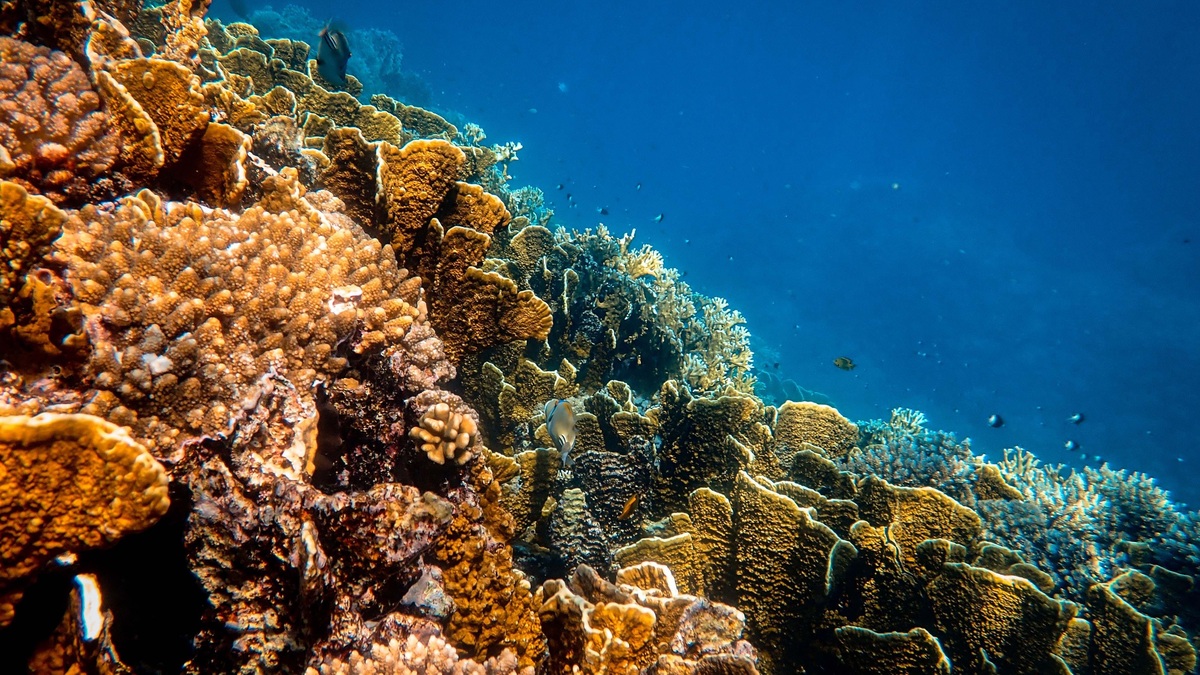
For ecological context, the marine biome climate guide shows the environmental variation that protected areas span. A tropical coral reserve and a cold Great Lakes MPA share a management category while protecting very different systems.
The most reliable distinction is simple. MPA is the umbrella; reserve usually means no take. The official site rules then supply the details that the name alone cannot provide.