Long missions in orbit depend on voice traffic from the ground and the new paper shows that the emotional tone of that traffic can shift sharply when work pressure rises. Researchers studying Russian segment operations on the International Space Station found that crew members spoke far more often during intensive periods than during standard ones and some stress-linked speech categories climbed even faster. The result gives a rare look at how strain appears in real mission conversations instead of in surveys or recollections after landing.
The study, published in Frontiers in Psychology, came from Natalia Supolkina, Dmitry Shved, Anna Yusupova and Vadim Gushin at the Institute of Biomedical Problems in Moscow. They analyzed 15 cosmonauts across ISS missions from Expedition 43/44 through 54/55 and coded 164,658 statements from crew to ground communication. Their main argument is practical: when speech shows more tension, Mission Control can respond with more than technical instructions and can offer stronger psychological support as well.
Human spaceflight often looks mechanical from the outside, yet daily work in orbit also depends on trust, timing, patience and the feeling that someone on Earth understands the pressure onboard. The authors treated communication as a behavioral signal. By tracking what cosmonauts said, how often they said it and which categories rose under higher demand, they built a picture of when routine coordination starts carrying the strain of fatigue and frustration.
Routine calls carried a hidden stress record
The researchers used content analysis, a method that sorts speech into repeated categories instead of relying on a broad impression. They examined regular exchanges between cosmonauts and the Mission Control Center, or MCC, during the workday. Morning and evening planning conferences framed the day and the calls in between followed the station schedule, problem reports and requests for specialist advice.
Inside that steady flow, the team looked for signs of both task management and coping behavior. Some categories were plain operational speech, such as informing, planning and time management. Others carried more emotional weight, including negative emotions, complaint, confrontation, self-justification and avoidance of responsibility. The method let the authors compare normal operations with periods of excessive workload without claiming that every sharp phrase meant a crisis.
Fifteen cosmonauts is a small number by the standards of many fields, but it is a meaningful sample in orbital research. Very few studies get access to such a large archive of real station communication. The authors also built on earlier work about crew communication styles, which had already suggested that different speech patterns can reveal how crewmembers handle pressure, authority and problem solving in orbit.
Heavy workloads changed both volume and tone
The strongest numerical result is simple and striking. During intensive workload periods, the average number of crew statements rose from about 71 per day to about 153 per day. In other words, communication with the ground more than doubled when tasks became harder or more crowded. The station did not become psychologically transparent at that moment, but the speech stream became much denser, giving analysts more evidence about what the crew was carrying.
Several stress-linked categories increased even more sharply. The paper reports that average statements tagged as negative emotions rose from 0.12 to 0.60, a fivefold jump. Complaint climbed from 0.35 to 1.24, confrontation from 0.13 to 0.59 and avoidance of responsibility from 0.15 to 0.35. Those values remain small compared with the total volume of operational speech, yet the direction is consistent: heavier demand was accompanied by more language associated with tension and less comfortable coping.
The authors were careful about what those numbers mean. They did not say every increase reflected conflict, nor did they argue that one rough exchange predicts a failing crew. Their point was narrower and useful. When a cluster of these categories rises together, the pattern can warn MCC staff that a cosmonaut may need a different style of response. A purely technical answer can solve the hardware problem while leaving the human pressure in place.
Related evidence from the paper Crew communication styles under regular and excessive workload fits this picture. That earlier study also found that workload conditions change how cosmonauts speak, which supports the idea that mission speech can serve as an operational indicator rather than a side issue reserved for psychologists after the fact.
Why support from the ground can change the crew response
The paper’s most useful contribution is its discussion of social support. The authors describe several levels of help that MCC staff can provide. At the basic level, the operator offers polite acknowledgement and technical guidance. When strain rises, the response can move toward emotional support, where the operator shows understanding of the crew member’s situation while still helping with the task at hand.
A further step is what the paper calls active support. In that mode, the person on the ground does more than pass along instructions. The operator validates the cosmonaut’s effort, helps the crew member use inner resources and backs useful initiative. In simple terms, the message changes from “follow this procedure” to “we understand the situation, we are solving it with you and your judgment still matters.” For a person working in confinement, that difference can help lower tension even when the task itself stays difficult.
The authors connect this need to a long known problem in space psychology: professional communication grows while ordinary social contact shrinks. Crew members in orbit must report, clarify and coordinate with Earth throughout the day, yet they also live far from family, familiar places and the normal support that comes from casual human contact. A 2022 review on psychological support for spacecraft crews makes the same point, describing communication as both a work tool and a line of emotional protection against isolation.
Mission planners care about this because the speech categories are actionable. If planners can detect when routine coordination is taking on the tone of pressure, they can coach controllers to respond in ways that protect performance and morale together. That does not require abandoning discipline. It requires training operators to notice when a crewmember needs clarity, reassurance, or recognition of a difficult situation alongside the usual checklist steps.
What the study can tell future missions
Longer missions beyond low Earth orbit will make this issue harder. A lunar mission, a Mars transit, or an analog isolation study cannot depend on instant back and forth in the same way as the ISS. Research on autonomous crews under simulation of interplanetary missions already shows that delayed communication changes how isolated crews interact with the ground. The new ISS paper matters because it captures the baseline case in which support is still available in near real time, making it easier to see what is lost when delay grows.
Future crews will still need technical expertise from Earth, but they may need stronger training in self-regulation and peer support because the controller cannot always step in at once. The ISS findings suggest that speech analysis could become part of mission health monitoring. Instead of waiting for a major conflict, support teams could watch for smaller rises in complaint, confrontation, or negative emotion and adapt communication before strain deepens.
Limits remain. The study focuses on Russian cosmonauts and the Russian Mission Control system, so the exact patterns may not transfer perfectly to other agencies or mixed-nationality crews. The categories come from human coding, which is systematic yet still interpretive. Even so, the scale of the dataset and the consistency of the workload effect make the paper important. It shows that normal mission talk carries a readable human signal.
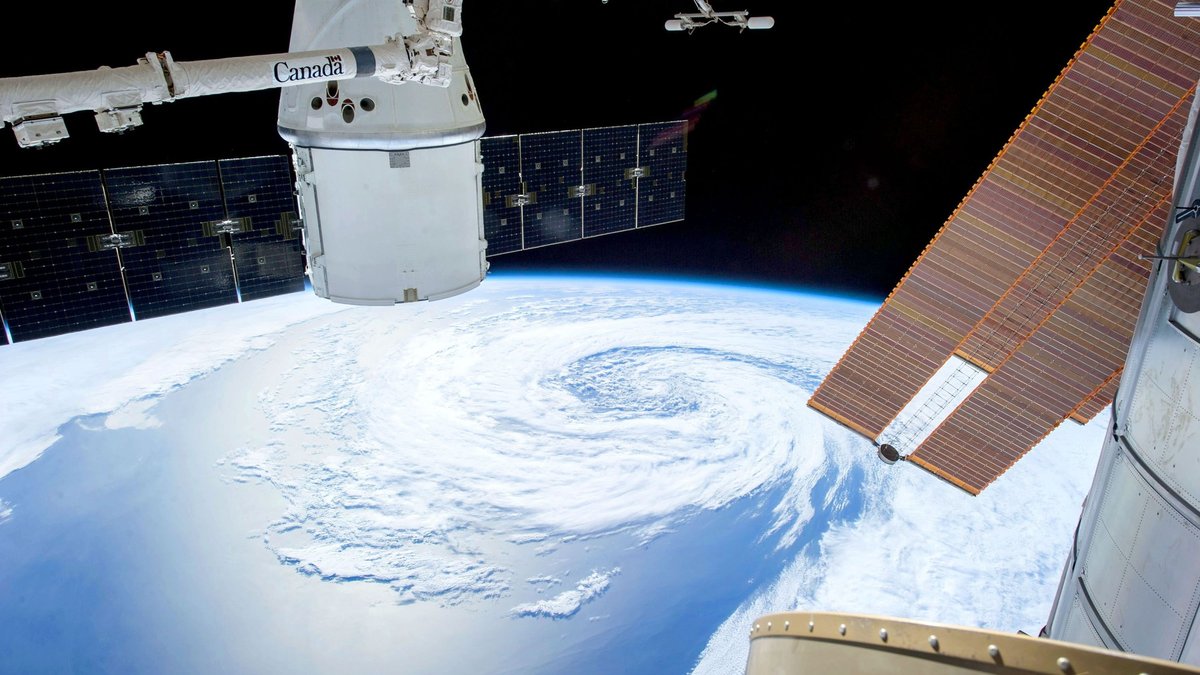
Seen from Earth, the ISS often appears as a machine circling overhead. Seen through these 164,658 statements, it also looks like a workplace where people need competence, calm and recognition from the team below them. The deeper lesson is modest and strong at the same time: when workload rises, communication support is part of mission support. Space agencies preparing crews for longer isolation will need that lesson before distance makes every answer slower.