A hurricane can move the contents of a neighborhood into coastal water within hours. Storm surge lifts boats from their moorings, floodwater sweeps household objects through streets and waves break docks into drifting sections. Earthquakes and tsunamis can do the same across a much larger shoreline. The resulting material becomes marine debris when it enters the ocean, estuaries or connected waterways.
NOAA’s account of disaster debris shows why these events produce a pollution problem that differs from everyday litter. The volume arrives suddenly, the objects may include hazardous materials and wreckage can obstruct the routes needed for rescue. Response begins while communities are still dealing with damaged homes and essential services.
The debris field keeps changing after the sky clears. Some objects sink in channels, while wind and tides carry floating material beyond the original disaster zone. Surveys, hazard removal and final disposal can continue for years, especially along remote coasts where heavy wreckage must be moved by boat.
Wind, rain and surge move debris in different ways
Storm surge raises coastal water above the normal tide as winds push water toward land. The surge can float vehicles, storage tanks and buildings that ordinary rainfall would leave in place. When water retreats, some material settles inland while another share moves through bays and channels toward the sea.
Heavy rain supplies a second transport route. Runoff flows across damaged streets and carries smaller objects into storm drains, streams and rivers. Flooded rivers can then deliver debris far from the coast. Landslides add soil and vegetation along with manufactured material from roads or structures.
High winds release roofing, signs and outdoor furniture before water reaches them. Loose objects can land directly in a harbor or become available for later flood transport. A storm’s debris field therefore reflects the built environment as well as the event’s track, rainfall and coastal geography.
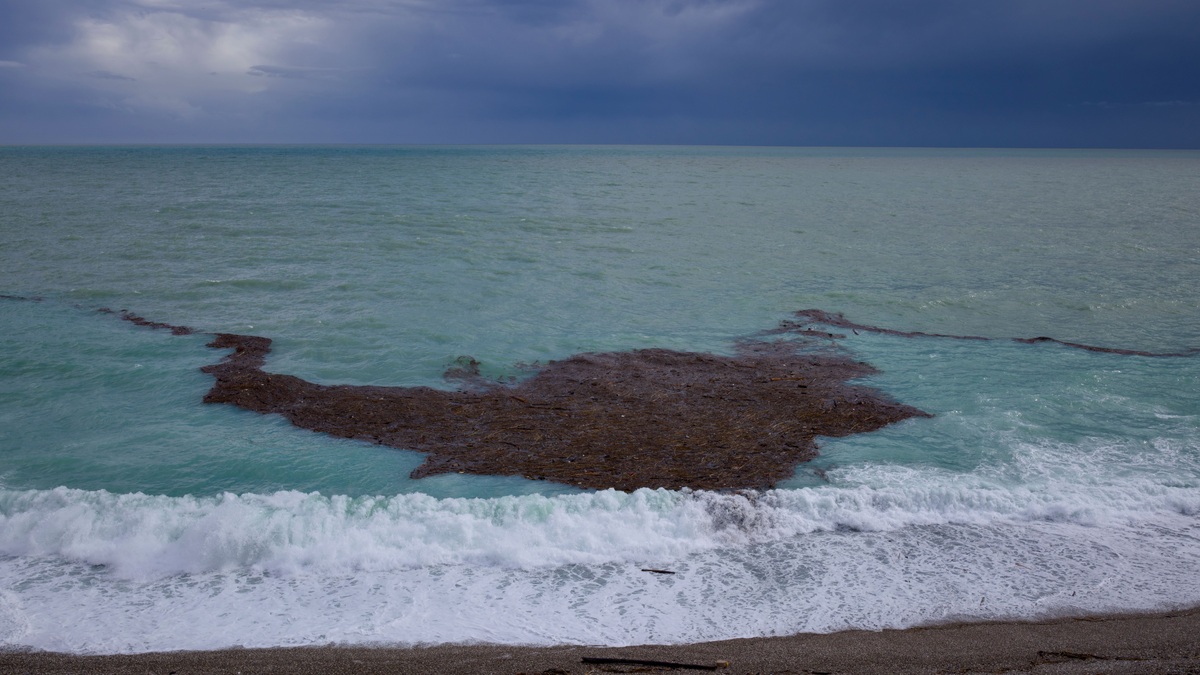
Object buoyancy influences the next step. Wood, foam and sealed containers can travel at the surface, while saturated building material may sink close to its source. Debris that settles in shallow water can remain a hidden navigation hazard even after streets and beaches have been cleared.
Wreckage creates immediate safety hazards
Large debris can block navigation channels or hide just below the surface. A partially submerged vessel poses a collision risk to rescue boats and commercial traffic. Broken pilings, metal sheets and fishing gear can injure people who enter the water or work along the shore.
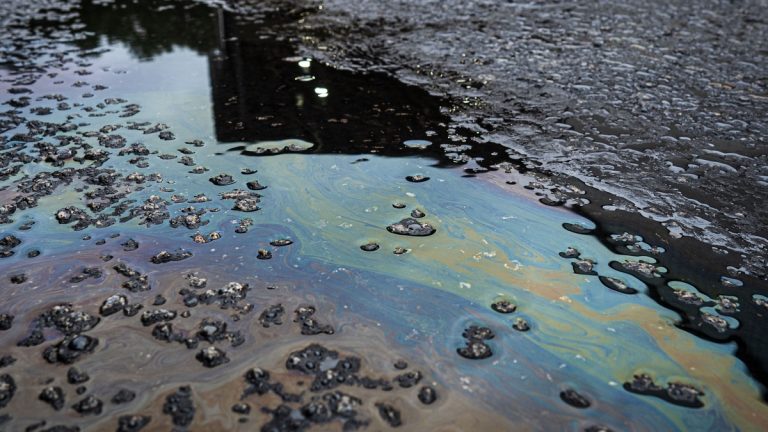
Some wreckage contains fuel, oil, batteries or household chemicals. Refrigerators and building materials require special handling, while damaged structures may contain asbestos. NOAA’s Marine Debris Program warns that poor water quality and burning debris can add health risks during removal.
Emergency access often determines which objects are addressed first. Crews may clear a channel before removing debris from a remote marsh because the open route supports rescue and supply deliveries. Survey teams map hazards so responders can prioritize material by location, size and risk.
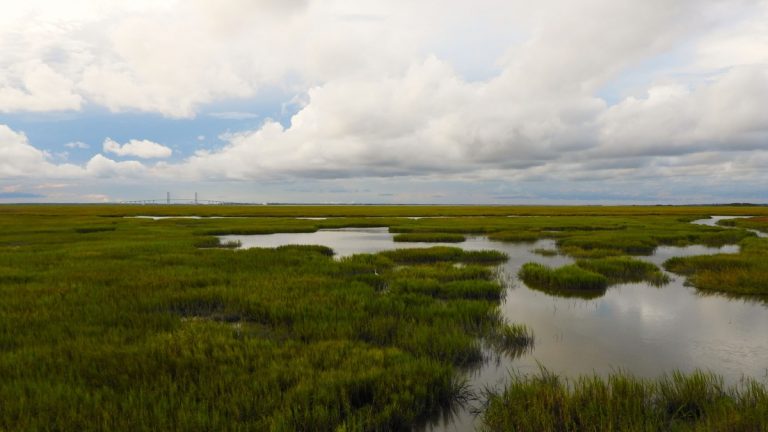
Natural habitat can suffer at the same time. Heavy objects crush seagrass or coral and ropes entangle wildlife. Debris deposited in wetlands can be hard to reach without causing further damage, so removal plans must account for sensitive ground and nesting seasons.
Hazardous-material screening helps crews choose protective equipment and disposal routes. An unmarked drum should not be handled like ordinary lumber and a damaged refrigerator can contain oil or refrigerant. Separating unknown containers reduces the chance that cleanup spreads contamination.
Tsunami debris can cross an ocean
The earthquake and tsunami that struck Japan on March 11, 2011 provide a documented example of long-distance transport. The Government of Japan estimated that the tsunami swept about five million tons of debris into the ocean. NOAA reports that roughly 70 percent sank near the coast, leaving about 1.5 million tons afloat initially.
Currents and winds dispersed the floating share across the North Pacific. Debris later reached shores in the United States and Canada, but it did not travel as a single raft. Objects with different shapes and exposure above the water responded differently to wind and many sank or dispersed before landfall.
Identification demanded more than appearance. Serial numbers, markings and owner records helped confirm some objects. NOAA coordinated monitoring with federal, state and local partners, while Japan provided a $5 million goodwill gift that supported removal in Alaska, Hawaii and West Coast states. NOAA’s tsunami response record says an estimated 635 metric tons were removed through those funded efforts.
Drift modeling helped agencies consider where floating material could travel, but it could not predict the arrival of each object. Windage differs according to how much of an item sits above water. A low piece of timber and an upright floating container can separate even if they enter the ocean together.
Cleanup can take years after the storm
Disaster debris removal is expensive because the material is mixed, scattered and sometimes inaccessible. Heavy machinery may be necessary for vessels or building sections. Small islands face an additional constraint when local landfills cannot accept the volume, forcing waste to be transported elsewhere.
Ownership and jurisdiction can slow decisions. A damaged boat may still have a legal owner even when it rests in a marsh and agencies have different authority over navigation, pollution and solid waste. Emergency response guides clarify those roles before a disaster, allowing teams to use established contacts and procedures when time is limited.
Recovery also extends beyond collecting visible wreckage. Surveys may locate submerged objects with sonar and repeated shoreline visits find material exposed by later tides. Segregating batteries, fuel containers and recyclable metals reduces hazards and can limit the amount sent to disposal sites.
The EPA Trash Free Waters program addresses land-based pathways that carry waste into water. After a disaster, the same principle supports temporary storage and collection systems that keep cleanup piles from being washed away again.
Documentation supports later recovery. Photographs, coordinates and dimensions allow teams to revisit submerged hazards after emergency access is restored. Records also prevent the same object from being counted repeatedly as tides shift it between survey areas.
Preparation can reduce the debris load
Residents can bring loose outdoor items inside, secure objects that cannot be stored and fasten lids on trash and recycling bins. Boat owners should follow local storm guidance, which may include moving vessels from the water and securing them on high ground. Neighborhood litter collected before heavy rain cannot enter the flood flow.
Communities can identify likely debris staging areas before hurricane season and decide how hazardous material will be separated. Updated marina records make derelict vessels easier to trace. Exercises that include waste officials, wildlife managers and emergency responders reveal practical gaps before roads and communications are disrupted.
Preparedness cannot prevent a powerful storm from damaging structures, but it reduces avoidable material and speeds coordinated action. The debris problem begins with the physical force of a disaster and continues through transport, exposure and recovery. Treating debris management as part of emergency planning protects navigation and habitat while communities rebuild.
Resilient storage is particularly useful at ports, construction sites and waterfront businesses where many loose items occupy a small area. Plans can identify what must be moved, what can be tied down and which materials need secondary containment. Each secured object is one less obstacle in the water after the storm.
Preparation should also include a route for reporting debris after landfall. Coordinates and photographs help agencies distinguish an urgent navigation hazard from material that can wait for an organized cleanup. Clear reports reduce unnecessary travel when roads and fuel are already limited.
Related reading: how much plastic is in the ocean and flotsam and jetsam.