Lake Athabasca offers remote fishing for lake trout, northern pike, walleye and several northern freshwater species. The lake straddles Saskatchewan and Alberta, so the rules depend on where an angler launches and fishes. On the Saskatchewan side, the northern-zone season for 2026 – 27 runs from May 25, 2026, through April 15, 2027, subject to any water-specific exception.
The Government of Saskatchewan’s 2026 – 27 Anglers Guide announcement directs fishers to the current digital guide for special limits and other requirements. Regulations can change each season, so this article explains the fishery and planning process rather than replacing the official guide.
Lake trout are the signature deep-water fish
Lake trout thrive in cold, well-oxygenated water. During cooler periods they may use relatively shallow structure, but summer warming often pushes them deeper. Anglers commonly search drop-offs, reefs and basin edges rather than treating the lake as one uniform expanse.
Saskatchewan’s 2026 – 27 general limit is three lake trout, with only one allowed to exceed 65 centimeters. A lake-specific regulation can be stricter and rules on the Alberta side may differ. The official guide for the exact location controls.
Large lake trout are slow-growing. Deep capture can also complicate release because pressure changes and warm surface water add stress. Limiting handling time and preparing release tools before a fish reaches the boat improve its chance of survival.
Northern pike use bays and shallow structure
Northern pike favor vegetation, points and shallow bays when conditions suit them. They often occupy warmer, shallower water than lake trout, letting one trip target distinct habitats. Bigger pike may move along deeper edges as the season progresses.
The Saskatchewan general limit for 2026 – 27 is five pike, with only one longer than 75 centimeters. Anglers should verify whether Lake Athabasca has a special entry that reduces that allowance. Measuring a fish with the tail pinched follows the province’s stated method.
Pike have sharp teeth and can injure both fish and angler during unhooking. Long-nose pliers, a suitable net and restrained handling are practical equipment. Lures left in the mouth should never justify prolonged exposure out of water.
Walleye and whitefish broaden the fishery
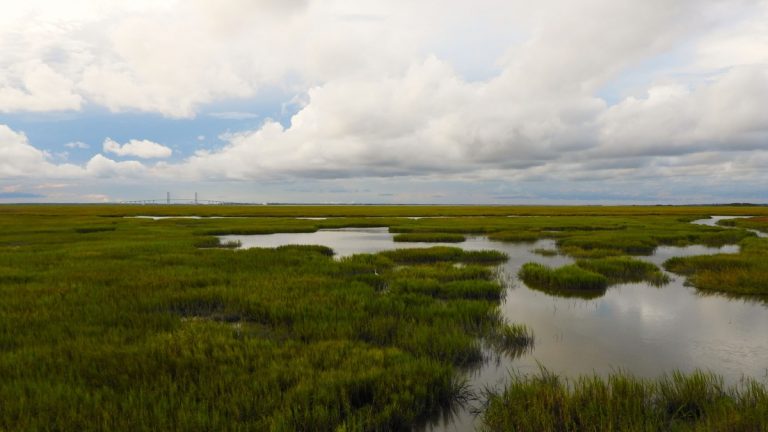
The Peace-Athabasca Delta connects to Lake Athabasca and supplies important habitat for walleye, lake whitefish and goldeye. Parks Canada lists more than 20 fish species in the delta, many of which migrate between rivers, shallow delta habitat and the lake.
Walleye often relate to changes in depth, current or bottom structure. Lake whitefish feed differently and may occupy cooler open water. Burbot, cisco and Arctic grayling occur within the wider connected system, although location and season affect which species an angler is likely to encounter.
Saskatchewan’s general 2026 – 27 limit for the combined walleye, sauger and saugeye category is four, with only one over 55 centimeters. The general whitefish limit is eight. These figures remain conditional on special waterbody rules.
The lake crosses a provincial boundary
Most of Lake Athabasca lies in Saskatchewan, while its western portion reaches Alberta. A provincial licence does not automatically authorize fishing in the other province. Anyone crossing the boundary on the water should determine where it lies and carry the required permissions.
Regulation systems use different zones, tables and definitions. Alberta publishes an annual sportfishing guide with watershed-unit and site-specific rules, while Saskatchewan publishes northern-zone dates plus special-water entries. A lodge or guide can help with logistics, but the angler remains responsible for current legal requirements.
The boundary issue also affects trip planning. Weather or a long run to a fishing area may change the intended route and a boat can cross an invisible line without a dramatic landmark. Downloading both provinces’ official rules before leaving reliable internet service avoids an on-water guess.
Saskatchewan’s 2026 – 27 licence rules
Anglers age 16 and older generally need a Saskatchewan licence. Saskatchewan residents age 65 and older are exempt, while eligible Canadian resident Armed Forces veterans can obtain a free licence after verification. Visitors should confirm which residency class applies before purchasing.
A new Angling Habitat Certificate applies in the 2026 – 27 season. The province states that annual angling licences require a $20 certificate, while one-day and three-day licences require a $5 certificate. Someone who buys both an annual angling licence and a hunting licence in the same year needs only one habitat certificate.
Free Fishing Weekends do not suspend catch rules. Saskatchewan scheduled July 11 – 12, 2026 and February 12 – 14, 2027, for provincial waters outside national parks. Limits and other restrictions still apply and remote access to Lake Athabasca makes those dates less consequential than they are near population centers.
Catch-and-release still causes mortality
Saskatchewan warns that released fish may die even when they appear healthy. The province uses an estimate of one delayed death for every 10 fish released and asks anglers to consider retained fish plus release mortality when limiting their overall catch.
Water temperature, fight duration and hook placement all influence survival. Deep-water lake trout deserve particular care. If fish repeatedly arrive exhausted or show signs of pressure injury, changing depth or target species can reduce harm.
Selective harvest does not mean repeatedly catching fish without consequence. A conservative fishing plan treats the legal possession limit as a ceiling, not a target that must be filled.
Remote conditions require serious preparation
Lake Athabasca is one of North America’s great lakes by area, appearing in Argo’s comparison of the largest lakes in North America. Its scale creates long fetches and rapid weather changes. Shelter can be far away when wind builds waves across open water.
Cold water remains a hazard even during the open season. A properly fitted personal flotation device, redundant communication and enough fuel for delays belong in the trip plan. Remote travel also calls for spare parts and a clear schedule shared with someone ashore.
Navigation equipment should include offline charts and a backup. Sandbars, reefs and changing water levels complicate routes near shore. In winter, ice thickness varies with current and pressure ridges and no calendar date can guarantee safe travel.
Protect the lake from invasive species
Boats and fishing equipment can move aquatic organisms between waters. Saskatchewan asks anglers to clean, drain and dry gear and its guide includes practices intended to limit invasive-species spread. Bait rules also need to be checked before transport.
Lake Athabasca connects to the Peace-Athabasca Delta and downstream Arctic drainage, so an introduced organism would not remain a purely local problem. The network links fish habitat across rivers, wetlands and large lakes.
Anglers arriving from another region should inspect bilges, live wells, anchors and trailers. Felt or absorbent equipment takes longer to dry and requires particular attention. The safest approach is to arrive with equipment already cleaned and fully dried.
When and where to fish
Early open-water fishing often emphasizes shallower areas that warm first, while summer lake trout fishing shifts toward deep cold water. Pike can remain associated with bays and edges. Walleye movement responds to current, light and prey, especially near connected river habitat.
A guide’s local knowledge can be valuable on a lake this large. Access commonly involves air travel or a long northern route, so weather days should be built into the schedule. Productive fishing never outweighs safe boating or regulatory compliance.
Anglers comparing northern destinations may also want Argo’s explanation of Great Bear Lake’s depth. Lake Athabasca is smaller and shallower, yet both demand cold-water preparation and respect for remote conditions.
Check the rules again before departure
Start with the current Saskatchewan Anglers Guide or Alberta sportfishing regulations, depending on the planned water. Search the waterbody-specific tables rather than relying only on general limits. Confirm season dates, licence class and allowable equipment.
Next, ask whether the route crosses the provincial boundary. Download regulations and maps for offline use, then verify any lodge advice against the government documents. Emergency contacts and a communication plan deserve the same attention as tackle.
Lake Athabasca’s fishery is attractive because of its wild scale and diverse northern species. The same remoteness leaves little room for an expired rule, missing licence or poorly prepared boat. Current official information is part of the essential gear.