Explainer

RSS Feed
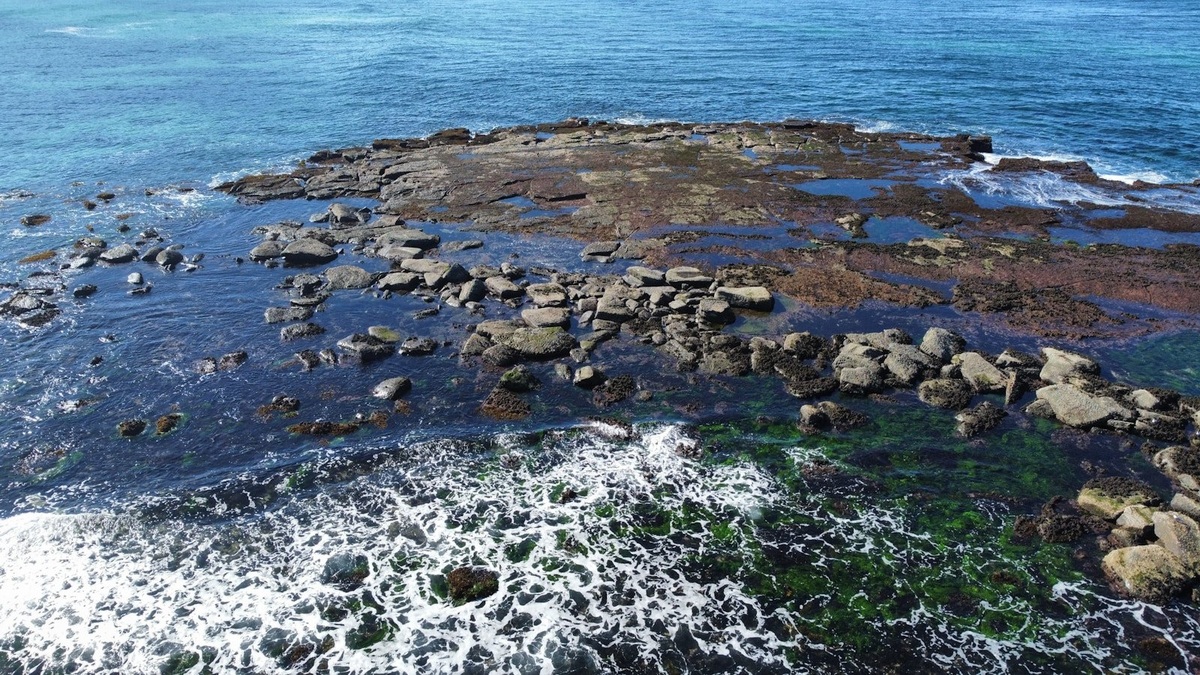
Rocky_shore_exposed_between_daily_tides

How Many High Tides Occur Each Day?

Most coastlines experience two high tides and two low tides during a lunar day, which lasts about 24 hours and 50 minutes. The usual interval from one high tide to the next is therefore close to 12 hours and 25 minutes. Local coastlines complicate that simple pattern, leaving some places with one daily high and…
More

More in Explainer

Large_storm_waves_in_the_southern_ocean

What Are the Roaring Forties?

Between about 40 and 50 degrees south, prevailing winds can race around Earth with few continents to slow them. Sailors named this belt the Roaring Forties. Its powerful westerlies build large waves, hurry weather systems eastward and help connect the atmosphere with the Southern Ocean. NOAA’s Roaring Forties account explains how the winds served ships…

Calm_open_ocean_in_the_horse_latitudes

What Are the Horse Latitudes?

Two broad belts near 30 degrees north and south are famous for clear skies, dry air and winds that may weaken without warning. Sailors called them the horse latitudes. Meteorologists recognize them as the subtropical high-pressure zones where air descending from the tropics spreads in opposite directions. NOAA places the regions at about 30 degrees…

Storm clouds over a calm tropical ocean in the doldrums

What Are the Doldrums?

Near the equator, sailors can move from a steady trade wind into a humid zone where the breeze fades, clouds rise quickly and rain falls in sudden bursts. This changeable belt is known as the doldrums. Meteorologists usually describe it through its formal name, the Intertropical Convergence Zone, or ITCZ. The NOAA definition places the…