Explainer

RSS Feed
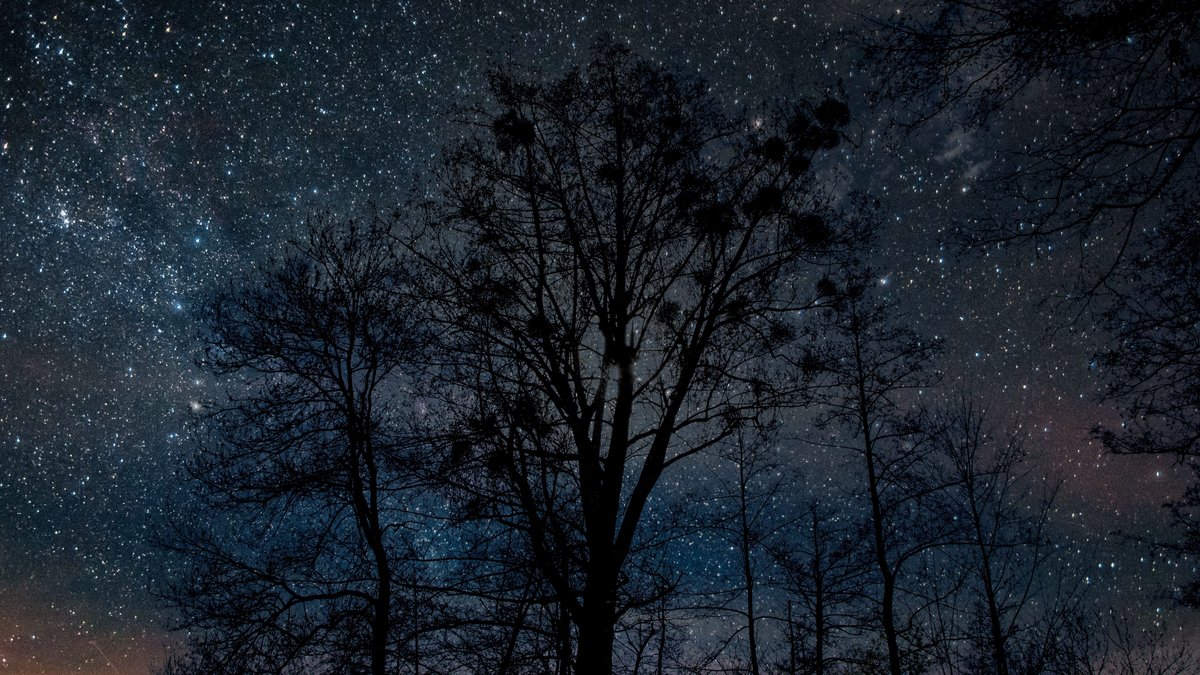
Majestic night sky full of stars behind dark tree silhouette in a rural setting

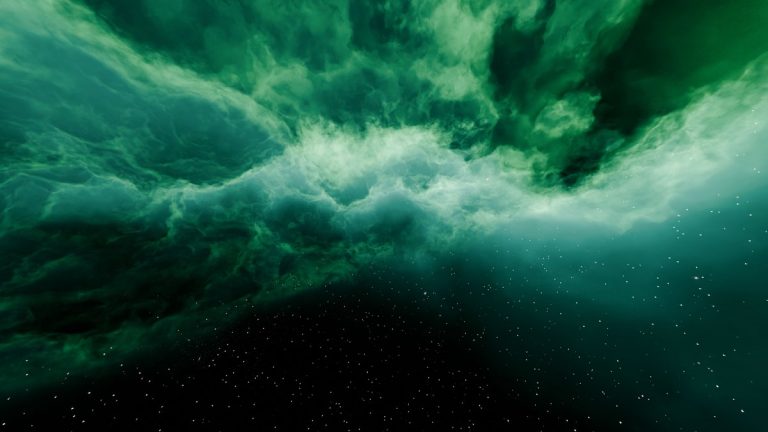
Five women watched nine planetarium scenes three times and a 0.001-lux new moon sky gave the strongest healing scores while the blackest dome first raised stress before dark adaptation gradually eased it

The kind of darkness many city residents rarely see may also be the kind that feels best under a planetarium dome. In a small experiment, the most soothing condition was not a bright field of easy-to-see stars. It was a sky background set to 0.001 lux, close to a new moon night in a place…

More

More in Explainer

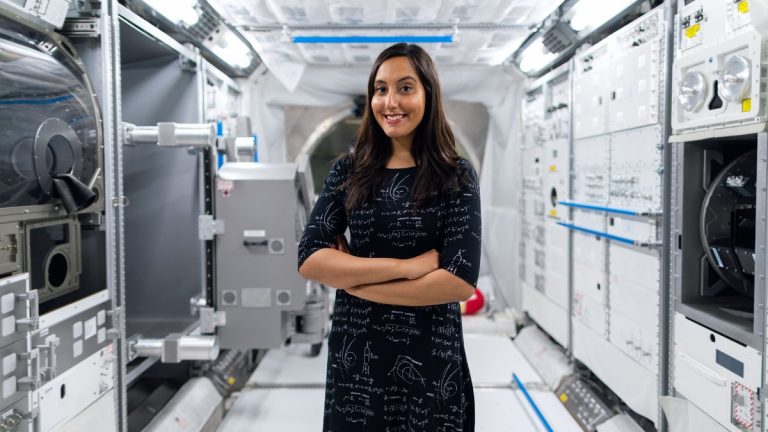
A smiling female scientist in a futuristic space station, symbolizing innovation and exploration

Twenty percent shorter inner minutes appeared in orbit while memory for docking and spacewalk dates stayed close to Earth time and a 10-astronaut study on the International Space Station suggests that routine duration judgments can drift even when mission milestones remain firmly tracked

Ten astronauts who spent six to eight months in orbit gave researchers a striking split result: when they judged a single minute, their responses shifted in a way that made the interval feel shorter than it did on Earth, yet the same crewmembers stayed much more accurate when recalling how many days had passed since…

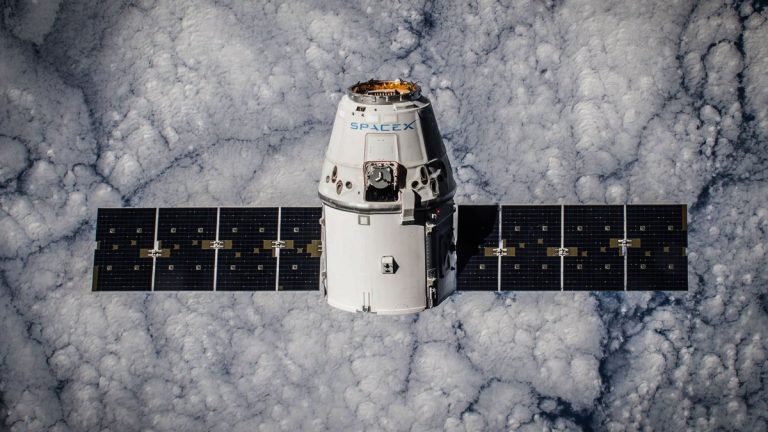
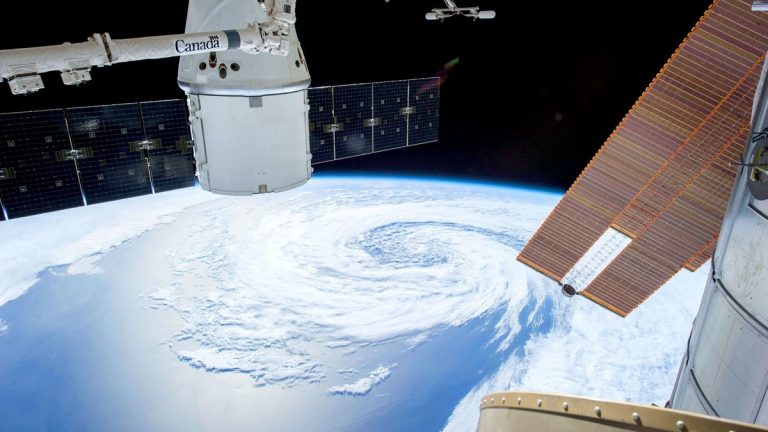
A mesmerizing view of Earth as seen from a space station with solar panels and satellite modules

ISS cosmonauts spoke to Mission Control more than twice as much during heavy workloads, while negative emotion signals rose fivefold across 164,658 statements, suggesting that long missions may require stronger support from the ground

Long missions in orbit depend on voice traffic from the ground and the new paper shows that the emotional tone of that traffic can shift sharply when work pressure rises. Researchers studying Russian segment operations on the International Space Station found that crew members spoke far more often during intensive periods than during standard ones…

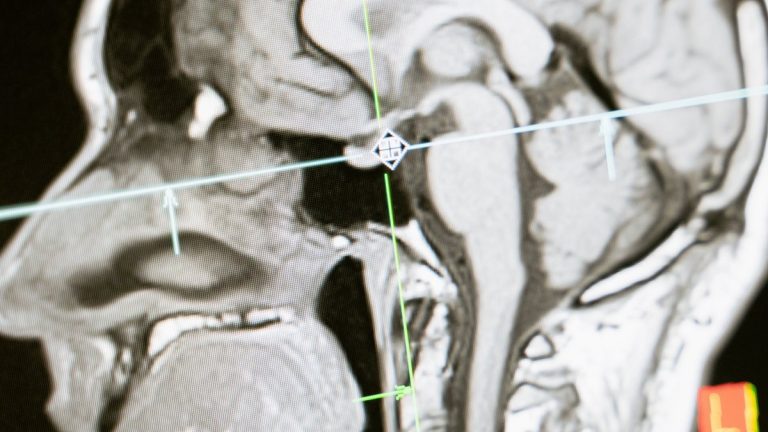
Close-up of an MRI scan showing a sagittal view of the human brain for analysis

Freedivers who trained without breath three times a week for seven months kept stable hippocampal volumes and normal episodic memory, as MRI scans in 17 divers and 20 other athletes found no detectable damage from repeated voluntary hypoxia and no change in how the brain sorted similar experiences

Low oxygen is usually bad news for the brain region that helps people store events, places and the fine details that separate one memory from another. A new Journal of Integrative Neuroscience study followed recreational freedivers through seven months of training and found a quieter outcome: their hippocampal volumes stayed stable and their episodic memory…