Explainer

RSS Feed
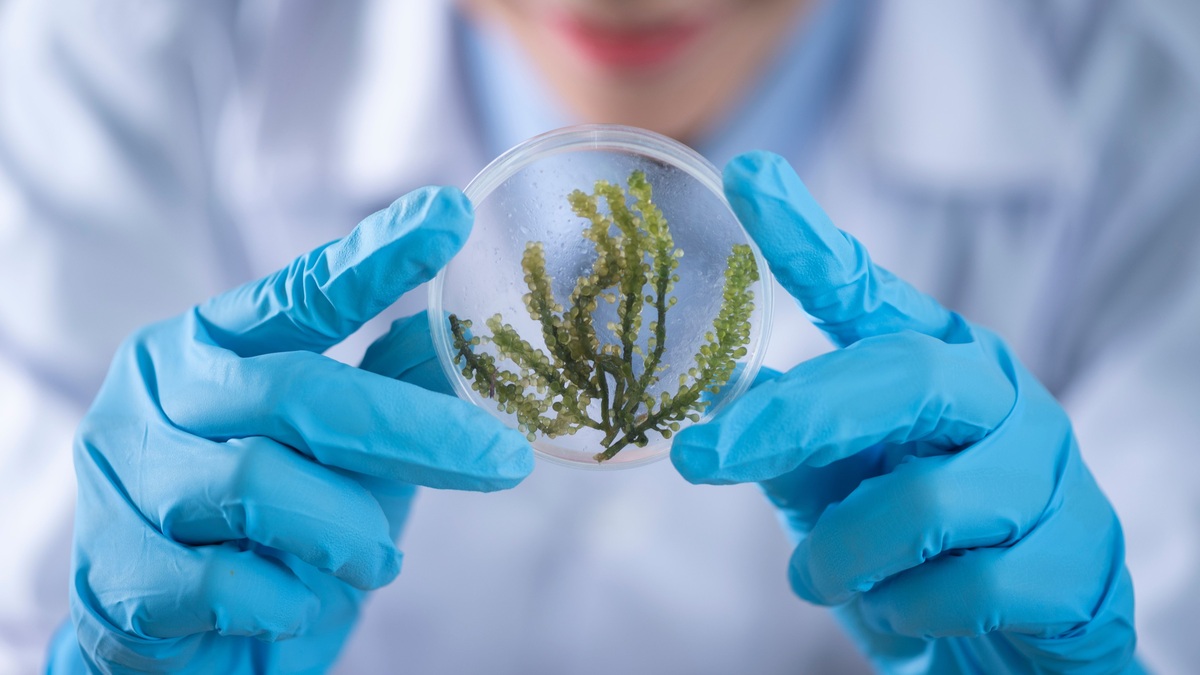
Close-up of a scientist examining algae in a petri dish, highlighting biotechnology research

Marine Biology vs. Oceanography: What Is the Difference?

Marine biology focuses on living organisms in saltwater environments, from microbes and algae to fish and whales. Oceanography studies the ocean as a whole system, including its life, chemistry, circulation, climate interactions and geology. Marine biology is therefore organism-centered, while oceanography is a broader Earth science with a biological branch. The boundary is permeable. A…

More

More in Explainer

Sunlight filtering through ocean water

What are abiotic factors in the ocean?

Abiotic factors in the ocean are the nonliving parts of the environment that influence marine organisms. They include the water’s temperature and salt content, the light that reaches each depth, water pressure, dissolved gases, acidity, nutrients, currents and the material on the seafloor. Living components are biotic factors, from microscopic plankton to large fish. The…

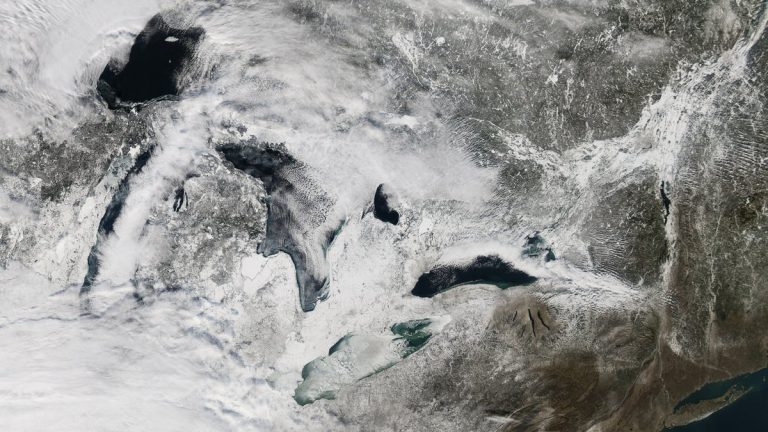
Satellite view of ice covering Lake Erie

How long does it take a lake to freeze?

A lake can develop its first surface ice after several cold, calm days, but complete freeze-over often takes days to weeks once the lake has cooled enough. Large lakes may need much longer when their basins are deep or exposed to wind. Some never become fully covered during a mild winter. The calendar alone cannot…

Algae growing at the edge of Hawley Lake

Does seaweed grow in lakes?

Yes, organisms that people call seaweed can grow in lakes. The everyday label usually refers to visible algae in salt water, but lakes also support freshwater macroalgae large enough to see without a microscope. Stringy green masses near shore are often filamentous algae such as Spirogyra or Cladophora. Other growths that look similar may be…