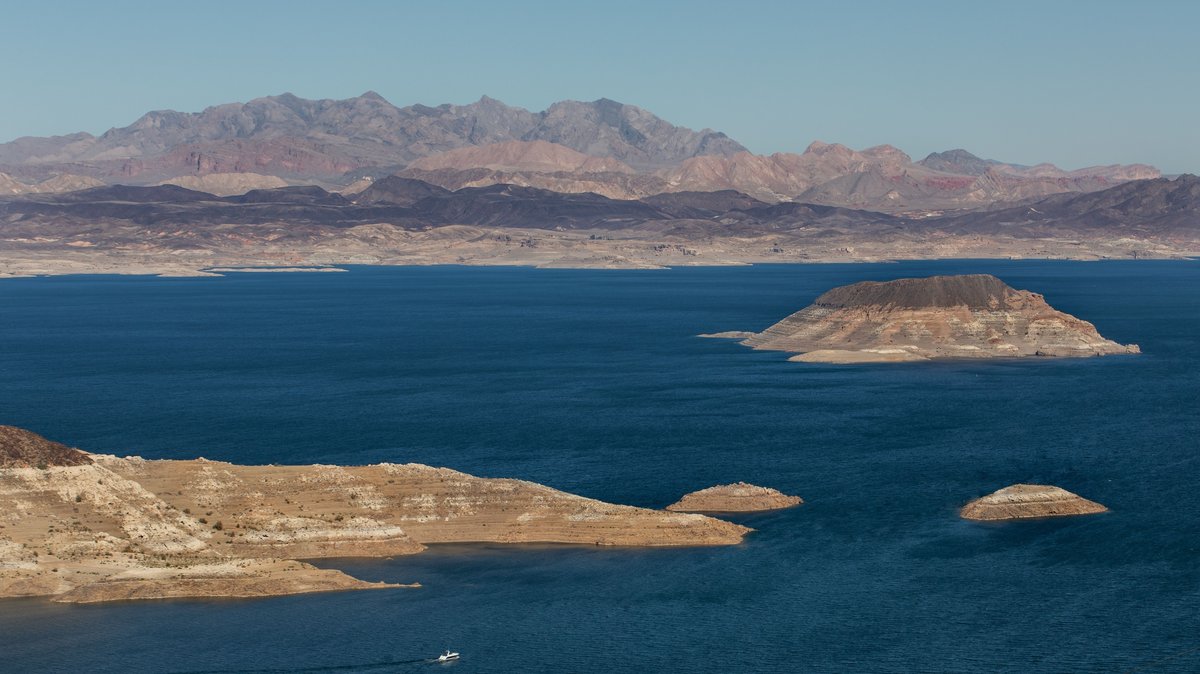
A desert reservoir can look calm from shore while conditions on the water are already changing. At Lake Pleasant, the greatest danger is drowning. It often begins when changing conditions or a fall puts someone unexpectedly in the water. The lake is popular and developed, yet its size and operating cycle create hazards that demand the same respect as any large body of open water.
Located about 30 miles from Phoenix, Lake Pleasant has 114 miles of shoreline and supports boating and swimming. Fishing and paddling are also common. Heavy recreation places fast motorboats near smaller craft and people in the water. Risk rises when visitors underestimate distance or changing weather, then overestimate how much time they have to respond.
Drowning is the central risk
The lake’s name sometimes leads people to search for one unusual reason it is dangerous. The more useful answer is a chain of familiar events. A swimmer tires farther from shore than expected. A passenger falls overboard without flotation. A small craft takes on water after the wind builds. Each event can end in drowning because a person’s airway may slip below the surface within moments.
Lake Pleasant Regional Park advises people to swim with a partner and watch children closely. Inexperienced swimmers should use properly fitted life jackets. The guidance also tells boaters to keep watch near points and islands as well as shorelines because every obstruction may not be marked. Clear-looking water does not reveal depth changes or submerged hazards.
Wind can raise rough water quickly
Lake Pleasant is known for rapidly developing wind. Wind transfers energy to the surface, building waves that become steeper as speed increases and the gusts continue. A kayak or paddleboard sits low in the water, so even modest waves can wash over it or force the paddler to spend more energy staying upright. Small motorboats may pound through chop and take spray over the bow. Steering can become difficult.
The park operates a wind warning light system for dangerous conditions. Activated lights tell boaters to use caution and head toward a safe location or boat ramp promptly. Waiting can make the trip back harder because the waves keep growing and ramps may become crowded. Thunderstorms can also shift wind direction abruptly, leaving a paddler with a difficult return against the wind.
Distance adds to the problem. A quiet cove may shelter a boat at first, while the open route back crosses rougher water. Checking the forecast before launch is only the first step. Visitors should continue watching the warning lights and the texture of the lake while also tracking the sky throughout the outing.
Cold water can disable a swimmer
Arizona’s warm air can hide a colder-water hazard, especially outside summer and below the sun-warmed surface. Sudden immersion can trigger cold shock, an automatic response that causes a gasp and rapid breathing. If the face is underwater during that first gasp, water can enter the lungs before the person has time to think clearly.
The National Weather Service explains that cold immersion can also raise heart rate and blood pressure. Muscle control then weakens as exposure continues, which makes climbing into a boat or holding the head above water increasingly difficult. Hypothermia develops later as core temperature falls. The immediate breathing response and early loss of useful movement can create a drowning emergency long before severe hypothermia appears.
A life jacket changes the first minutes after a capsize. It supports the body while breathing settles and reduces the effort needed to keep the mouth clear. Cold-water clothing may be appropriate for paddlers during cooler periods, but it should complement flotation. Warm weather on shore gives no reliable measure of the temperature a swimmer will encounter at depth.
Changing levels expose hidden hazards
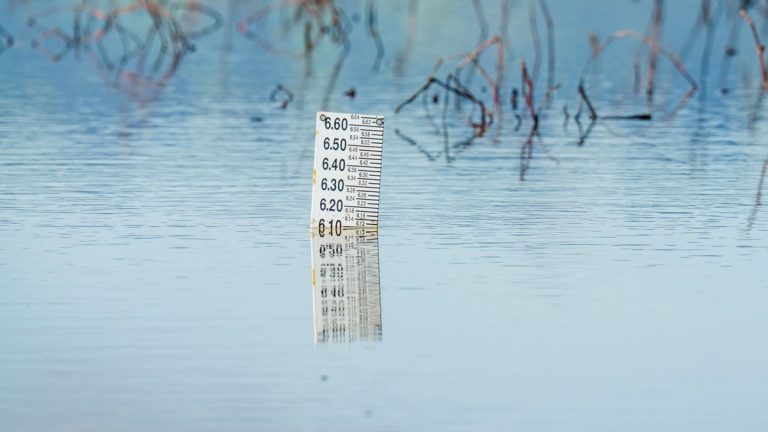
Lake Pleasant is both a recreation site and an operating water-storage reservoir. The Central Arizona Project pumps Colorado River water into it during fall and winter, then releases stored water during spring and summer when demand is higher. The resulting water-level fluctuations change where the shoreline lies and which features sit just below the surface.
A rocky point or small island that was deeply submerged on one visit may become a navigation hazard later. The park warns boaters to observe buoys while maintaining their own lookout because markers cannot identify every danger. Near-shore travel deserves extra care, particularly at night, when reflected light and darkness make it harder to judge distance.
Changing water levels also affect launch areas and familiar routes. Before leaving, boaters should check current park conditions and avoid treating an old track on a chart or navigation app as a guarantee of clear water. Slower speed buys time to recognize an exposed obstruction and turn away without throwing passengers off balance.
Boat exhaust can poison without warning
Gasoline engines and onboard generators produce carbon monoxide, a gas with no color or smell. Exhaust can collect near a stern swim platform or inside a cabin when a boat idles or travels slowly. The cockpit may trap it as well. A person may develop a headache or dizziness and confusion can follow. People sometimes mistake those signs for heat stress or motion sickness, especially when alcohol is present.
The Centers for Disease Control and Prevention warns that high exposure can cause unconsciousness. Someone who passes out beside the water can then drown, linking a poisoning hazard directly to water safety. Swimmers should stay away from engine exhaust outlets and boats with enclosed spaces need a working marine-rated CO detector. Engines and generators require proper maintenance, including attention to their exhaust systems.
Fresh air is the urgent response when poisoning is suspected, followed by emergency help. Operators should avoid letting anyone sit or play on a rear platform while an engine is running. The risk can exist outdoors because the boat’s shape and wind may hold exhaust close to the stern instead of dispersing it.
A life jacket buys rescue time
A stored life jacket may be unreachable after a sudden fall. Wearing one keeps flotation attached during the shock of entry and helps conserve energy in waves. Paddlers may be separated from a kayak or board by a gust. Strong swimmers face a different problem because cold water can sharply reduce their ability.
National data show how often flotation is absent in fatal incidents. The U.S. Coast Guard reports that drowning accounted for 76 percent of fatal recreational boating victims in 2024 when the cause of death was known. Among drowning victims whose life-jacket use was known, 87 percent were not wearing one. Those are national figures rather than a Lake Pleasant death count, but they identify the main preventable weakness in boating emergencies.
Every person needs a Coast Guard-approved life jacket that fits and is in good condition. An oversized jacket can ride over the face while a small one may not close securely. Children and weak swimmers need close supervision even when wearing flotation. Adult attention and safe operation remain essential.
How to reduce the risk
Safer visits begin before the boat reaches the ramp. Check the park’s current conditions and weather, then decide how wind will affect the craft you plan to use. Tell someone on shore where you are going and when you expect to return. Carry enough fuel and keep required safety equipment where passengers can reach it quickly.
On the water, wear the life jacket rather than leaving it under a seat. Keep a proper lookout and slow down near shore. Give swimmers and small craft room. A sober operator has better judgment and reaction time. If warning lights activate or rough water starts building, head toward safety early instead of waiting for the storm to arrive overhead.
Swimmers should use a partner and remain within a distance they can comfortably return from. Parents need uninterrupted supervision near the shoreline because drowning can be quiet. Anyone entering cooler water should expect the first gasp and focus on keeping the airway clear. Flotation supports the body while breathing settles. Around motorboats, avoid exhaust zones and treat unexplained headache or confusion as possible CO exposure.
Lake Pleasant offers extensive public recreation and its hazards are manageable when visitors plan for the lake they will actually encounter. Wind and temperature can change across a day, while water level and boat traffic vary with operations and use. Wearing flotation and leaving the water early when conditions worsen reduce the chance that a routine outing becomes a rescue.