Water that looks calm from a Lake Keowee cove can become deep within a few steps. A fall from a boat can add cold shock before a swimmer has recovered from the surprise. Near power facilities, changing flows create another hazard, while a summer storm can raise waves across open water. Each condition is manageable with care, yet several can overlap quickly.
The clearest answer to why Lake Keowee can be dangerous is the gap between its inviting surface and the conditions beneath or beyond it. In its lake safety guidance, Duke Energy warns that an unseen bottom may drop unexpectedly. The company also points to water-temperature changes, currents, underwater hazards and weather as factors that can make reservoirs on river systems especially risky.
Most of the danger can be reduced through simple preparation and conservative choices. Swimmers need to treat the shoreline as unknown terrain. Boat operators need to watch for people in the water and the wakes of other vessels. Narrow approaches and sudden changes in visibility require more time to react. Everyone benefits from wearing a life jacket before an emergency begins.
Deep water begins close to shore
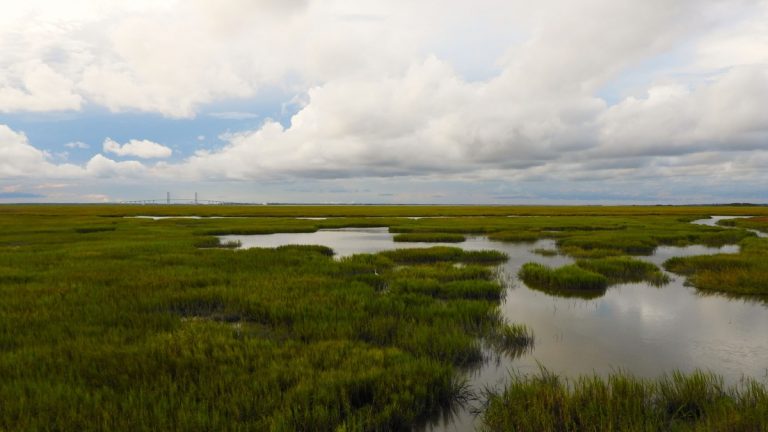
Lake Keowee covers old channels bordered by slopes and irregular coves. As a result, depth can change sharply over a short horizontal distance. Clear-looking water may still hide the bottom, so a wader can lose footing at a ledge and find no shallow step behind them. Someone who panics may exhaust themselves while trying to regain contact with the lakebed.
Unexpected dropoffs are especially serious for children and inexperienced swimmers. Anyone entering from an unfamiliar shore faces the same uncertainty. Water clarity also gives no reliable measure of depth. Before wading, people should explore cautiously while wearing flotation. Jumping or diving belongs only in a designated area where the depth and underwater space are known to be safe.
The practical danger begins with sudden loss of footing, followed by panic or fatigue in water that may be colder than expected. A steep bank can also make climbing out difficult. Swimming with a partner and keeping a throw line within reach gives a group more ways to respond without sending another person into danger.
Cold water can overwhelm a swimmer
A warm afternoon can hide a large difference between air temperature and lake temperature. Water below the sun-warmed surface may be much colder, particularly earlier in the recreation season or in deeper areas. An unplanned plunge exposes the face and chest at once, which can trigger cold shock even in a confident swimmer.
The National Weather Service explains that sudden immersion can cause an involuntary gasp and rapid breathing. Heart rate can spike as well. Breathing loss comes first, before hypothermia. If the swimmer inhales water during that first gasp, a quiet fall overboard can become a drowning emergency within moments. Continued exposure then weakens the hands and limbs, making it harder to hold a line or climb back aboard.
A properly fitted life jacket keeps the airway higher while breathing settles and muscles lose strength. Someone who falls in should first control breathing while holding onto flotation. Get out of the water safely as soon as possible. When shore is too far away, conserving energy while waiting for rescue is safer than beginning a long swim that may exceed the body’s remaining strength.
Currents change near power facilities
Lake Keowee is part of an operating power system, so flows can change near power infrastructure. Duke Energy’s dam safety guidance says water levels and flows around generating facilities can shift rapidly. It also warns that unusual swirling currents may pull a person or boat toward a dam and under the surface.
The strongest generation-related flows are concentrated near marked facilities and release zones. The safe response is to obey every buoy and warning sign, then remain outside restricted areas. Generation-related currents can be stronger than they appear from the surface and a line of foam or drifting debris may reveal moving water.
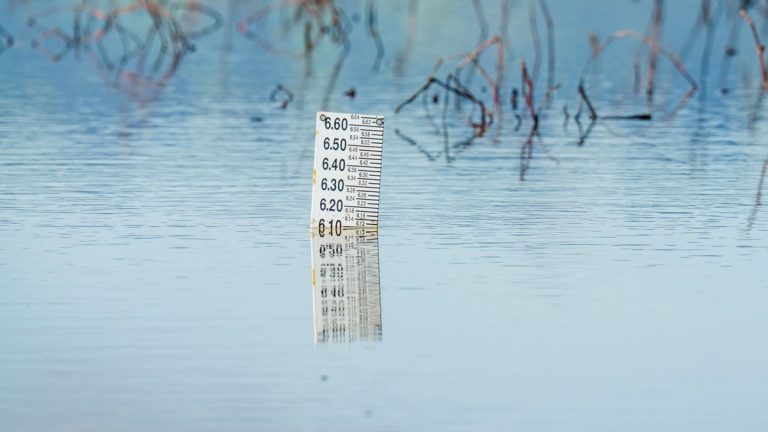
Lake users should check current lake information before departure and watch for changing levels. Scheduled flow information helps with planning, but conditions at a structure still deserve caution. Nighttime reduces the ability to read signs and water movement, which is another reason to stay well outside marked power-facility zones.
Storms can arrive quickly
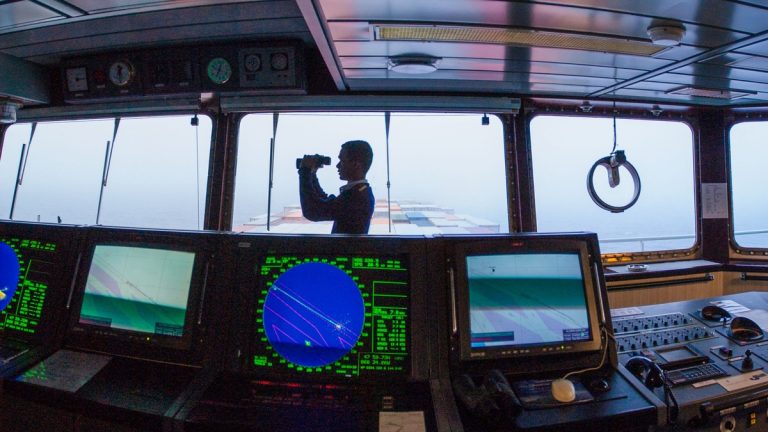
Open water gives wind room to build waves. A small craft that felt steady near shore can pitch in gusts after moving into a broad reach. Thunderstorms may also bring hard rain that erases familiar landmarks, while lightning can reach beyond the darkest part of a storm. Waiting until the first strike leaves little time to reach a safe building or vehicle.
NWS boating guidance advises checking conditions before launch and preparing to head ashore quickly. Radar and warning alerts are useful when service is available, though boaters should also watch the sky. Rapidly growing clouds can signal an approaching storm. A sudden cool gust or darkening horizon should start the return trip.
Thunderstorm winds can push a boat off course and raise short, steep waves. Everyone aboard should already be wearing flotation when weather worsens. If a fully enclosed cabin is unavailable and the boat cannot reach shore, passengers should stay low and keep their arms and legs inside the vessel. The safer decision comes earlier: postpone the trip when severe weather is expected.
Boat traffic adds collision risk
Summer activity brings motorboats into the same coves used by paddlers and swimmers. Shoreline bends can block sight lines and docks create frequent crossing points. Wakes may destabilize a paddleboard or wash over a low boat even when the passing vessel never comes close enough to collide.
South Carolina law addresses some of that risk on Lake Keowee. According to the state distance rules, a vessel must remain at idle speed within 100 feet of a dock, wharf, bulkhead, or pier. The idle-speed zone extends 50 feet around an anchored vessel and around a person in the water. Operators still need a proper lookout beyond those minimum distances.
National U.S. Coast Guard data identify attention as a practical safety factor. In the agency’s 2024 recreational boating report, operator inattention led the list of known contributing factors, followed by improper lookout and operator inexperience. Those figures provide national context, while the same behaviors can create hazards on any busy reservoir. Speed and alcohol reduce the time available to recognize a swimmer. Distractions delay a response to another vessel.
A safer day starts before launch
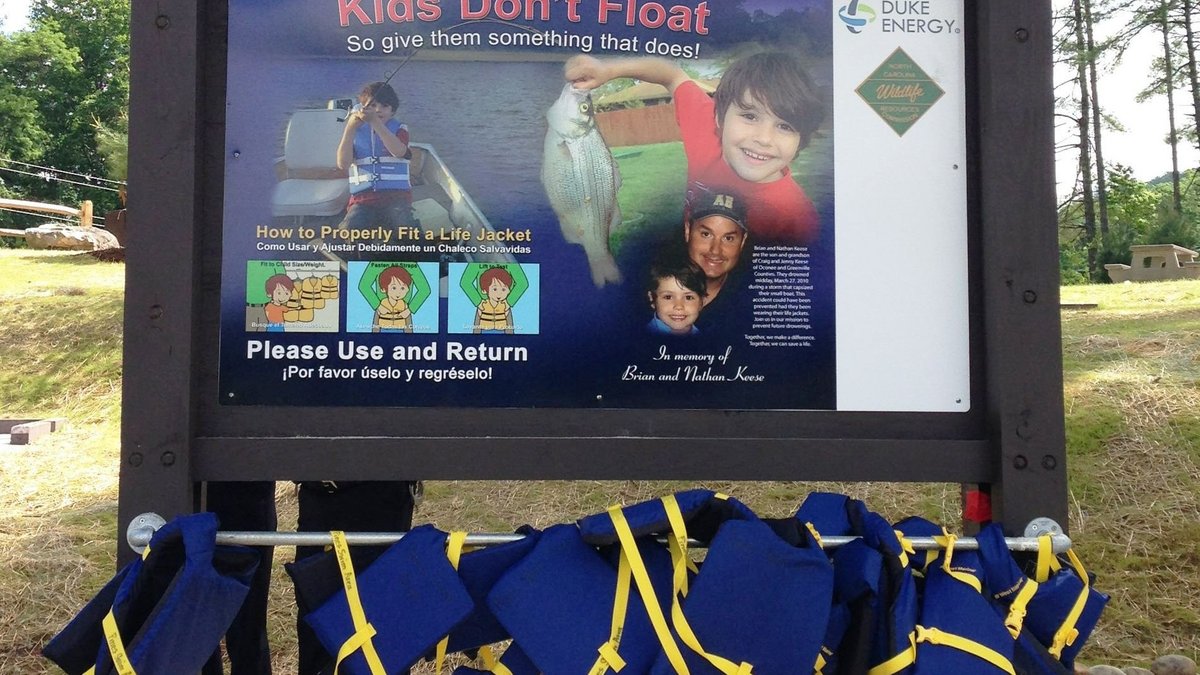
Choose a U.S. Coast Guard-approved PFD that fits each person and suits the activity. The South Carolina Department of Natural Resources requires every vessel to carry one wearable, accessible, serviceable life jacket for each occupant. Children under 12 must wear one aboard a vessel shorter than 16 feet. People operating or riding a personal watercraft must wear one as well.
Wearing flotation throughout the trip is more protective than searching for it after a capsize. Duke Energy’s release identifies loaner boards at South Cove and High Falls access areas on Lake Keowee, although availability can vary. Scott Jolley, a Duke Energy public safety and recreation planning manager, said, “The life jackets can be borrowed for free and they could help save a life.”
A useful departure routine begins with checking weather and water conditions. Tell someone the route and expected return time, then assign a sober operator. Keep a throwable device or line ready rather than buried under gear. Swimmers should use designated areas with a partner and they should avoid nighttime entry. Around the lake, preparation before launch provides the time and equipment needed when a dropoff or cold plunge creates an emergency. It also gives a group a plan when currents change or a storm develops.