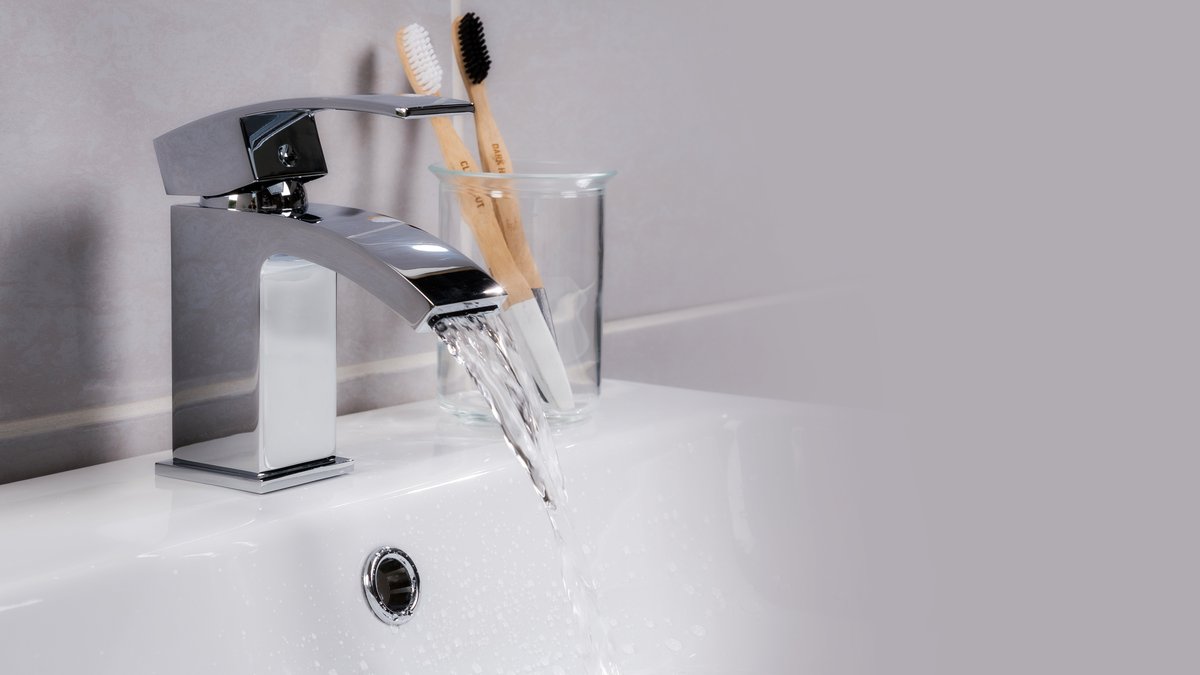
Open a hot-water tap and clear water can suddenly look as if someone mixed in a splash of milk. In many homes, the haze comes from tiny air bubbles released as the water leaves the plumbing. Their ability to scatter light makes the water look white even though each bubble is nearly invisible by itself.
The U.S. Geological Survey explains that water under pressure can hold more dissolved air. Once the water reaches an open glass, the pressure falls and some of that gas forms bubbles. Warm water can make the effect especially noticeable because gases generally become less soluble as water heats up.
Most bubble-caused cloudiness clears within a minute or two and is harmless. A simple glass test can separate that common effect from particles or discoloration that deserve a closer look. Where the cloudiness starts to clear, what remains in the glass and whether the cold tap behaves the same way provide useful clues.
Tiny bubbles create the milky look
Water can carry gases from the surrounding air in dissolved form. Those gas molecules are spread through the liquid, so they do not look like bubbles while the water remains under pressure. Opening a faucet lowers the pressure. The dissolved gas then gathers into microbubbles, much as carbon dioxide appears when a bottle of sparkling water is opened.
Each bubble creates a boundary between water and air. Light changes direction at that boundary and a glass containing thousands of bubbles scatters light in many directions. The scattered light produces the familiar white or gray haze. As the bubbles rise and escape at the surface, the glass becomes transparent again.
Hot water can show the haze more strongly even when the water entering the house looked clear. Heating reduces the amount of air that stays dissolved, so gas can leave the water inside a heater or along the hot-water line. The effect may also change from day to day as incoming water temperature and system pressure vary.
Why heat and pressure release air
Two parts of household plumbing favor dissolved gas. The water supply is pressurized so it can move through mains and reach upper floors. Cold water also holds more dissolved air than the same water after it warms. When pressurized cold water enters a heater, the rising temperature encourages some gas to leave solution. Gas solubility describes how much gas can remain mixed at a given temperature and pressure. A change in either condition can leave the water temporarily carrying more gas than it can keep dissolved, so the excess collects into visible bubbles.
Flow through a faucet adds another rapid pressure change. A faucet aerator breaks the stream into fine flows and mixes in air, which can make existing bubbles easier to see. The combined effect explains why cloudy hot water may appear suddenly after a plumbing repair, a pressure change, or a period of colder weather.
The mechanism concerns gas dissolved in the liquid, rather than steam. Household hot water is far below its boiling point and the white material in the glass consists of ordinary air when it passes the clearing test. Waiting briefly lets buoyancy do the diagnostic work without special equipment.
The glass test reveals what is floating
Fill a clean, clear glass from the cloudy tap and set it on a level surface. Watch it against a dark background for about two minutes. With dissolved-air cloudiness, the lower part of the glass usually clears first because bubbles rise toward the surface. The clear zone then moves upward until the whole sample looks normal. Repeat the clear-glass test after the tap has rested if the first sample is hard to judge. Strong lighting from the side can make the direction of clearing easier to see.
Sediment behaves differently. Solid particles may drift downward and collect on the bottom, leaving a deposit after the upper water clears. Colored water can remain tinted even after visible particles settle. The San Francisco Public Utilities Commission notes that rust or sediment from distribution pipes and household plumbing can produce dirty-looking water.
Run the same test with cold water from the same faucet. If both samples clear from bottom to top, a pressure-related bubble effect is likely. If the hot sample alone contains flakes, grit, or persistent color, the water heater and hot-water plumbing become the more likely area to inspect. The test is a clue rather than a chemical safety analysis.
When only the hot tap is cloudy
A hot-only pattern points toward conditions after water enters the home. Heating releases dissolved gas and a storage tank gives bubbles a place to form. When the haze clears completely in the glass and leaves no smell or residue, released dissolved air is the leading explanation.
Persistent particles call for a different response. White flakes that float can come from a deteriorating plastic dip tube in some water heaters, according to the San Francisco utility. Mineral scale may also break loose inside a heater and appear as pale grains that sink. A plumber can examine the appliance and the manufacturer’s maintenance instructions should guide any flushing.
Brown, orange, or black material suggests corrosion products or accumulated sediment. Avoid draining or opening a pressurized heater unless you know the correct procedure because hot water can cause severe burns. A sudden change after utility work may also mean disturbed material entered the home’s plumbing before the cold supply ran clear.
Signs that point to sediment or plumbing
Air bubbles vanish without leaving anything behind. Persistent turbidity stays suspended, settles as material, or gives the water a lasting tint. An oily surface, unusual foam, or a new chemical smell also falls outside the normal bubble pattern. Changes in taste or odor strengthen the case for contacting the water supplier.
Iron can cause rusty color and sediment, while manganese can produce dark color or staining. The EPA’s secondary drinking-water guidance treats many such effects as aesthetic or technical issues at the listed levels. Appearance alone still cannot identify a substance or establish that the water is safe.
Location offers another clue. Cloudiness at one faucet can reflect a local aerator or a short section of plumbing. A hot-only issue across the house shifts attention to the heater. A change at every hot and cold tap can involve the building supply or the public distribution system, especially when neighbors report the same condition.
When cloudy water needs attention
Harmless microbubbles should clear quickly from bottom to top, with no deposit and no unusual odor. Water that stays cloudy, arrives with particles, or changes color should be reported to the utility or checked by a qualified plumber. Follow any drinking-water advisory immediately, since a visual test cannot rule out microbes or dissolved contaminants.
Private-well owners carry responsibility for testing their own supply. The EPA advises testing when well water changes in color, taste, or odor and recommends using a certified laboratory. Flooding, repairs to the well system and nearby land disturbance are additional reasons to seek local health guidance.
Clear-looking water can also contain substances that have no visible sign. Lead, for example, cannot be seen, tasted, or smelled. People served by a public system can request its Consumer Confidence Report, while certified testing can answer questions about water at a particular tap.
The practical dividing line is simple: a rising cloud that disappears cleanly supports the air-bubble explanation. Material that sinks, floats as flakes, leaves a stain, or persists deserves investigation. Comparing hot and cold samples gives a homeowner a useful starting point, while the utility, a certified lab, or a plumber can identify the underlying cause.