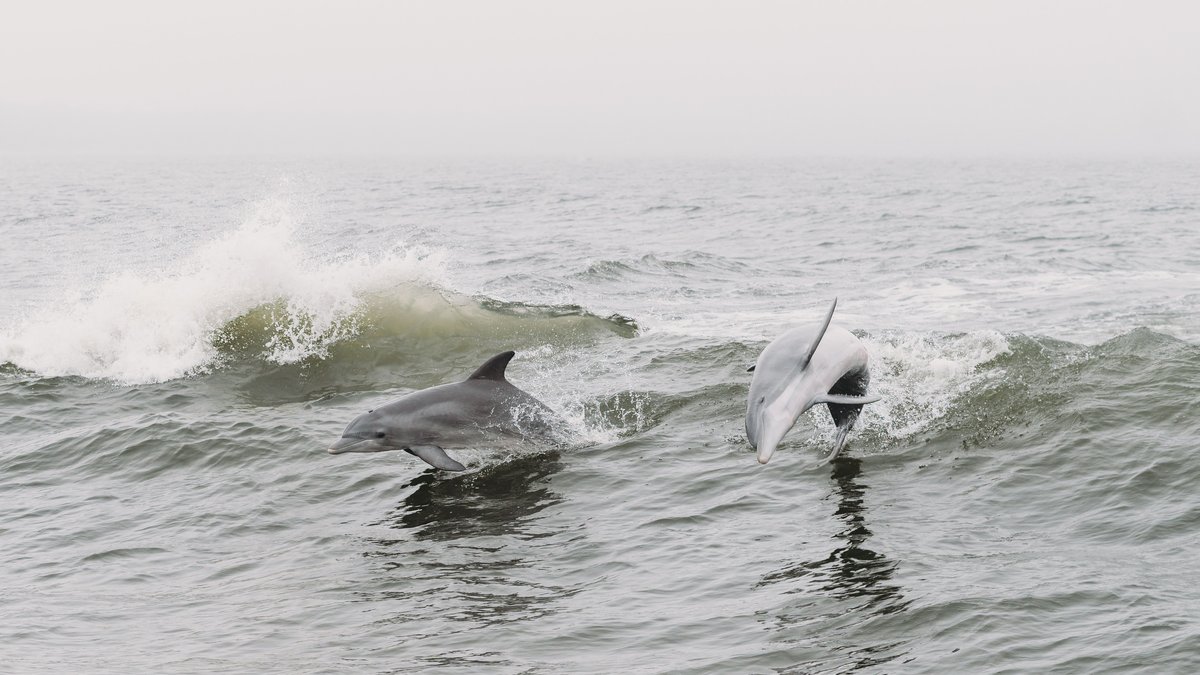
What people carry away from the ocean often sounds bigger than a day at the shore. In a national qualitative study, many respondents described the sea as a place where daily pressure eased, family bonds grew stronger, living creatures felt vividly present and responsibility toward the marine world became easier to feel in ordinary life.
The paper, published in Frontiers in Psychology, analyzed open-ended survey answers from a representative sample of 1,138 U.S. adults, standardized for age, sex and regional location. Chris O’Halloran used thematic analysis to sort those answers into recurring ideas about what the ocean teaches people and what kinds of ocean experiences remain meaningful long after the moment ends.
Several themes were easy to recognize. People wrote about quiet, beauty and a feeling of being grounded. They also wrote about dolphins, whales, turtles, seabirds, tide pools, family walks, shared swims, bonfires and small rescue moments on the beach. The study does not claim that time near the ocean causes better health. It does show that many people describe the sea in emotional, social and ethical terms rather than as scenery alone.
What people said the ocean teaches
The first question asked what the ocean had taught respondents about life. The most common answers centered on calm, beauty and well-being, at 11 percent of responses. Another 10 percent focused on interconnectedness, describing living systems as linked rather than separate. A similar share emphasized stewardship, with people saying the ocean deserves protection and respect because human lives remain tied to it.
Other answers leaned toward outlook rather than ecology. Some respondents said the ocean reminds them that life is good. Others pointed to change, resilience and the need to move with forces larger than any one person. A smaller group highlighted the sea’s role in sustaining life, while some focused on biodiversity itself, saying marine creatures and ocean scale teach them how much of Earth operates beyond daily human attention.
One useful feature of the study is its method. Instead of forcing people into prewritten multiple-choice boxes, the survey let them answer in their own words and those words were later grouped into themes. Readers who want the indexed record can also find the study on PubMed. That design cannot measure cause and effect, yet it is well suited to a basic question: how people themselves describe the ocean when nobody narrows the answer for them in advance.
The wording of those responses helps explain why the findings feel broader than a beach vacation survey. Calm and admiration appeared often, but many answers also carried a moral edge. Respect for marine life, awareness of shared dependence and a sense that humans should act carefully around the sea all appeared near the top of the results. In that sense, the ocean often showed up as a teacher of relationship, scale and responsibility.
Wildlife and family memories stood out
The second question moved from lessons to memories, asking people to describe a meaningful ocean experience. Here the leading theme was direct contact with animals. Wildlife encounters accounted for 22 percent of responses, the largest share in that section. People remembered dolphins leaping near shore, sea turtles surfacing beside kayaks, seabirds in motion and the surprise of seeing large marine life up close.
Family and friendship came through almost as strongly. Thirteen percent of answers focused on bonding with children, partners, relatives, or close friends. Those scenes were usually simple: walking together at sunset, talking around a fire, swimming side by side, or sharing a meal after time on the beach. Among adults aged 18 to 29, the study found higher odds that meaningful memories would center on family and social connection, which suggests that the ocean often enters memory as a shared place before it becomes a public issue.
Calm and aesthetic appreciation formed another major group, at 16 percent. Adventure and recreation, including snorkeling, kayaking, diving and body surfing, made up 14 percent. The open-access version at PubMed Central shows how often these categories overlap in practice. A wildlife sighting can arrive during a family outing; a quiet beach can also become a place of play; a recreational trip can leave behind a memory of beauty rather than adrenaline.
Gender patterns appeared in a few categories, though they do not overturn the wider picture. Women were significantly more likely to report wildlife encounters, calm and beauty and adventure and recreation. Men were more likely to give very general good or great descriptions. Those statistical associations add texture, but the large pattern stays the same across the dataset: memorable ocean experiences were usually vivid, embodied and tied to other people or other living beings.
Why stewardship felt personal
Stewardship showed up in both halves of the study, which is one reason the paper stands out. Some respondents described beach cleanups, helping stranded animals, or seeing others free birds from fishing line. Others spoke more broadly about keeping the ocean clean or respecting marine habitats. These were not abstract policy summaries. They were concrete moments in which care for the sea became part of a lived experience.
The paper’s argument fits a wider conservation problem: people often protect what feels close enough to love, remember and recognize. A systematic review cited by the study found that effective ocean literacy work often needs more than facts alone if it aims to encourage voluntary behavior change. Facts can inform people, but personal contact, emotional meaning and a sense of belonging may help explain why stewardship language rose so clearly in these responses.
Another linked idea comes from work on blue spaces and positive emotion. A related paper in the Journal of Positive Psychology argued that marine and coastal settings can support feelings such as awe and restoration, while still leaving the exact mechanism open to debate. O’Halloran’s study does not test those mechanisms. It does, however, show how ordinary people talk when they connect a coastal moment with gratitude, relief, wonder, or duty.
At the policy level, that human detail matters because marine protection depends on public support over time. UN Sustainable Development Goal 14 calls for conserving and sustainably using oceans and seas, yet broad goals become real only when individuals see the ocean as part of their own world. The respondents in this study often described exactly that kind of closeness. Stewardship was less like a remote slogan and more like an extension of a memory, a family tradition, or an encounter with a living creature.
What the study can and cannot say
The strengths of the paper are clear. It uses a large U.S. sample for a qualitative project, keeps the questions open enough for unexpected themes to appear and reports percentages so readers can see which ideas surfaced most often. It also captures a side of ocean research that hard measurement can miss: the language people use when they describe awe, comfort, kinship and responsibility in their own terms.
Its limits are just as important. The study records reported experiences and meanings, not biological changes in health, stress hormones, or long-term behavior. A person may say the ocean feels calming and that statement is valuable as evidence about lived experience. It does not prove that coastal exposure produces the same effect for everyone, or that a meaningful trip automatically leads to lasting conservation behavior.
Even so, the results help clarify why ocean issues can feel emotionally potent in public life. Marine policy is often discussed through charts, catch limits, plastic waste, habitat loss and climate pressure. This study adds the human layer beneath those debates. Many respondents described the ocean as a place where they felt smaller in a useful way, closer to relatives and more attentive to the lives around them. Those experiences do not settle policy questions, but they help explain why the ocean can inspire protection as well as admiration.
For readers trying to understand the cultural side of marine stewardship, the main finding is straightforward. People in this survey often linked the sea with relief, closeness, wonder and care. Those links grew out of wildlife encounters, shared family time, recreation and reflective moments by the water. When the ocean enters memory in those forms, stewardship can start to feel less like a distant obligation and more like part of how people describe a meaningful life.