Water can be useful even when it hasn’t been prepared for drinking. A building may collect rain from its roof or capture lightly used water from sinks. Another project may receive recycled water through a separate municipal pipe. After treatment suited to the job, that supply can flush toilets or irrigate landscaping while cleaner drinking water remains available for faucets and food preparation. The label non-potable water identifies this limited purpose.
The U.S. Environmental Protection Agency describes onsite non-potable reuse as collecting water from sources near a building, treating it appropriately and using it at the building or district scale. “Non-potable” does not describe one fixed level of quality. It means the water is outside the drinking-water supply and has been designated for uses that do not require potable water. Requirements vary with the source and intended use.
What non-potable means
Potable water meets the standards that apply to public drinking water. It is suitable for drinking and food preparation. Non-potable water has a different intended use. A warning sign on an irrigation outlet, for example, tells people to avoid swallowing the supply or letting it contact food. The restriction applies even when the water looks clear and has no obvious odor.
Appearance cannot reveal microscopic hazards or dissolved chemicals. Water from a roof can collect animal waste and debris. Used household water may carry microbes along with soap or cleaning products. Treated municipal wastewater can meet demanding reuse standards while remaining in a distribution network reserved for non-drinking purposes. By contrast, potable reuse adds treatment and oversight designed for drinking-water applications.
The label therefore tells users how the supply may be used rather than naming its source. Untreated water from a stream is non-potable unless authorities have confirmed that it meets drinking-water requirements. Reclaimed wastewater is also non-potable when a utility produces it for irrigation or another restricted purpose. In every case, the intended use determines the level of protection that engineers and regulators require.
Where non-potable water comes from
A non-potable supply can begin with several types of water. Greywater generally comes from showers and bathroom sinks; many definitions also include clothes washers. Rainwater can be captured from roofs, while stormwater comes from runoff across developed surfaces. Some buildings also collect air-conditioning condensate. Because the hazard profile changes with the source, designers cannot treat these supplies as interchangeable.
Location creates another important distinction. An onsite system captures and treats water within or around one building or a small district. A centralized system receives recycled water from an offsite treatment plant and sends it through a dedicated network. EPA’s centralized reuse resources describe applications such as street cleaning and fire protection. In both arrangements, the water must be matched to a permitted end use.
Blackwater, which includes toilet waste, begins with a higher microbial burden than water from a bathroom sink. Kitchen wastewater may also contain grease and food residues, so some legal definitions exclude it from greywater. Source-water quality affects the barriers a system needs before reuse. Clear definitions keep designers from applying a treatment plan to water with very different hazards.
How people use it
Toilet and urinal flushing are common indoor uses because these fixtures need water but people do not drink from them. Commercial laundries may use an approved non-potable supply, depending on local requirements and the treatment provided. Outdoors, reclaimed water often irrigates landscapes. It can also support construction work, where crews use water to control dust or compact soil. Municipal systems may reserve it for washing streets or vehicles.
Industrial facilities can use treated non-potable water for cooling and selected processes when its chemistry fits the equipment. Fire-protection systems provide another possible destination. The phrase fit for purpose captures the central engineering rule: treatment must reduce hazards to the level required for the particular source and exposure. A supply approved for subsurface irrigation may need additional treatment before it can be sprayed where people could inhale droplets.
Permission for one job does not automatically extend to another. Water used in a closed cooling loop creates a different exposure pathway from water sprayed across a public lawn. Indoor uses can bring the supply closer to building occupants and drinking-water pipes. A reuse plan therefore maps the water’s route and possible human contact. Specific controls keep the resulting exposure within an acceptable range.
Why treatment depends on the use
Treatment commonly begins by removing solids that could clog equipment or shelter microbes. Biological processes can break down organic material. Filtration removes smaller particles and disinfection inactivates disease-causing organisms. A system may use chlorine, ultraviolet light or another approved method. The exact sequence depends on the source water and how people might encounter the finished supply, so a simple rain barrel and a building-scale wastewater plant face very different requirements.
EPA researchers use quantitative microbial risk assessment to estimate exposure to waterborne pathogens and set performance targets. The agency’s reuse research considers three major pathogen groups: bacteria, viruses and protozoa. Models examine how much treatment is needed for a particular combination of source and use. Operators then need monitoring and maintenance to keep the treatment hardware working as designed.
Treatment targets often describe how greatly a process must reduce pathogen concentrations. Engineers can meet a target with more than one barrier, provided the full treatment train performs reliably. Sensors and sample testing help operators spot a failure before the water reaches its end use. If a disinfectant level falls or a filter loses performance, the system may divert water until normal operation returns.
How separate plumbing protects drinking water
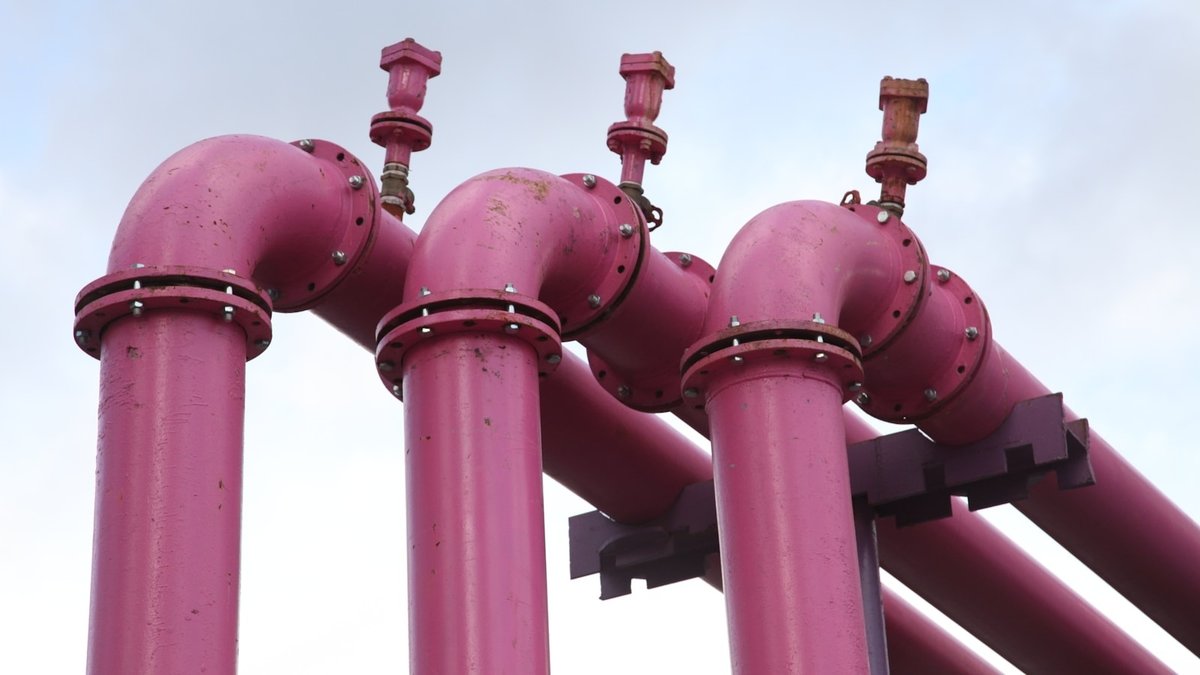
Even well-treated reuse water must remain in its assigned system. A cross-connection can let non-potable water enter drinking-water plumbing when components are joined incorrectly. Designers prevent that route with physical separation and approved backflow protection. Clear identification provides another safeguard. Purple pipe is widely associated with reclaimed water, while labels at outlets warn workers and building users. Color alone cannot replace correct installation and ongoing testing.
Storage also requires care. Covered tanks limit debris and animal access and overflow routes should avoid creating new exposure. Stagnant water may lose disinfectant or support microbial growth, which makes turnover and operating checks important. Rules differ across the United States because states and local authorities oversee many reuse applications. EPA’s REUSExplorer summarizes state specifications, but a property owner still needs the requirements that apply at the project location.
Commissioning checks the installation before routine use begins. Inspectors can verify pipe routing and confirm that warning labels appear where they are needed. Ongoing cross-connection testing is especially important after renovations, when a plumbing change could accidentally join the two supplies. Maintenance records give operators a way to track treatment performance and respond to recurring faults.
Where reuse saves water
Matching water quality to the job can reduce demand for treated drinking water. It may also lower the volume sent to a sewer, easing pressure on collection and treatment infrastructure. Benefits depend on the local system. Capturing water in a building could reduce long-distance pumping, yet treatment equipment uses energy and needs replacement parts. EPA research examines such tradeoffs alongside human-health protection.
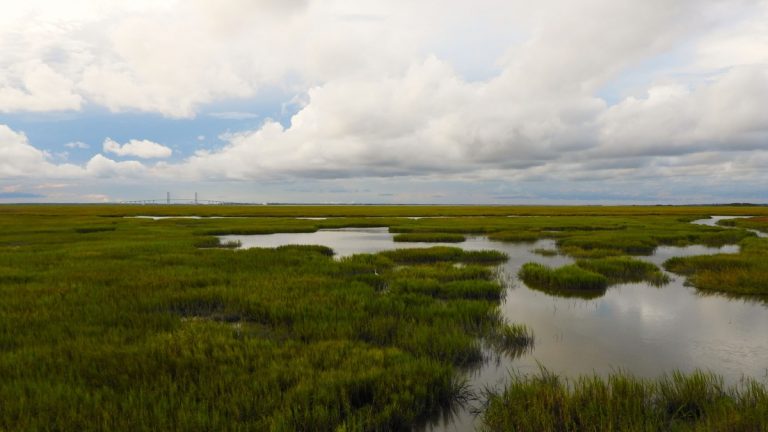
At Florida’s Corkscrew Swamp Sanctuary, a treatment system uses plants and microorganisms to process restroom wastewater for toilet flushing. The project reduces demand on freshwater and helps visitors see how biological treatment can improve water quality. Comparable projects need their own engineering review because local climate affects supply and building demand changes the required capacity. Applicable regulations can also alter the design. A successful onsite water reuse system combines suitable treatment with dedicated plumbing. Routine monitoring keeps the system aligned with its defined use.
Water savings grow when a dependable local supply replaces potable water in a high-demand application. The strongest projects also account for dry periods, when rainwater collection may fall and peaks in building use. Designers compare expected supply with daily demand before sizing tanks and treatment equipment. The result can conserve freshwater without weakening the barriers that protect people from unsafe exposure.