A study in Cell Metabolism has identified a surprising way that life in thin air may improve blood sugar control. In experiments with mice, researchers found that red blood cells can become major glucose consumers under low-oxygen conditions, helping explain why diabetes rates tend to be lower in some high-altitude populations.
The work centers on hypoxia, the oxygen shortage experienced at high altitude. When mice were kept in air that mimicked high-altitude conditions, their blood sugar rose less after glucose injections. Their red blood cells absorbed more glucose and converted it into a molecule that also helps oxygen move into tissues.
That double role gives the finding its scientific punch. The same cells that carry oxygen through the body may also help tune metabolism when oxygen is scarce. Study lead author Isha Jain, a biochemist associated with Gladstone Institutes and the University of California, San Francisco in the source material, described the broader implication this way: “The work highlights the important role that red blood cells can play in diabetes regulation.”
Thin Air and Lower Blood Sugar
For years, researchers have noticed a pattern in people living at high elevations. Populations in regions such as the Andes and Himalayas often show lower rates of diabetes. The observation raised a basic biological question. What does oxygen scarcity do to the body’s handling of sugar?
The new study approached that question through controlled mouse experiments. One group of mice lived in chambers containing 8% oxygen, a level used to mimic high-altitude air. Another group stayed in air with 21% oxygen, close to normal atmospheric conditions at sea level.
After several weeks, the researchers injected both groups with glucose and monitored blood sugar over time. The low-oxygen mice had a smaller blood sugar spike. Their bodies cleared glucose from circulation more quickly than mice kept in normal oxygen.
The paper’s summary states that “Hypoxia alone robustly improved glucose tolerance.” That sentence matters because it points to low oxygen itself as a driving factor in the mouse results. It also keeps the story grounded. The strongest evidence here comes from animal experiments, so the findings still need careful testing in people.
Intriguingly, the effect lasted after the mice returned to normal oxygen. Their glucose handling remained altered for weeks. That persistence suggested that the low-oxygen environment had changed something durable in the blood or metabolism.
Red Blood Cells Become Glucose Sinks
At first, the missing glucose seemed hard to explain. The researchers used imaging scans to see how much sugar major organs and tissues were absorbing. Muscle and liver uptake could explain only part of the change.
That gap pushed the team toward the circulating blood itself. Red blood cells are abundant and they use glucose as fuel. Under normal conditions, they already consume sugar. Under low oxygen, the study suggests they can become a much larger glucose sink.
The researchers tested the idea by directly changing red-blood-cell levels. In oxygen-deprived mice, they periodically removed blood to keep red-blood-cell levels closer to normal. That procedure eliminated the glucose-lowering effect of hypoxia.
They also performed the opposite experiment. When red blood cells were transfused into mice breathing normal air, blood glucose fell. Together, those interventions showed that red-blood-cell number had a direct effect on blood sugar in the animals.
This result reframes the usual view of red blood cells. They’re famous for carrying oxygen and that remains their central job. The study adds a metabolic role that becomes especially important when the body is adjusting to thin air.
How Hemoglobin Helps Move the Sugar
The next step was to track the glucose itself. The team injected mice with labeled glucose molecules, then followed where the sugar went inside the body. Red blood cells from oxygen-deprived mice absorbed substantially more glucose than red blood cells from mice kept in normal oxygen.
Inside those cells, the glucose was rapidly converted into a compound called 2,3-DPG. This molecule binds to hemoglobin, the protein that carries oxygen in red blood cells. When 2,3-DPG binds hemoglobin, it helps hemoglobin release oxygen more easily into tissues.
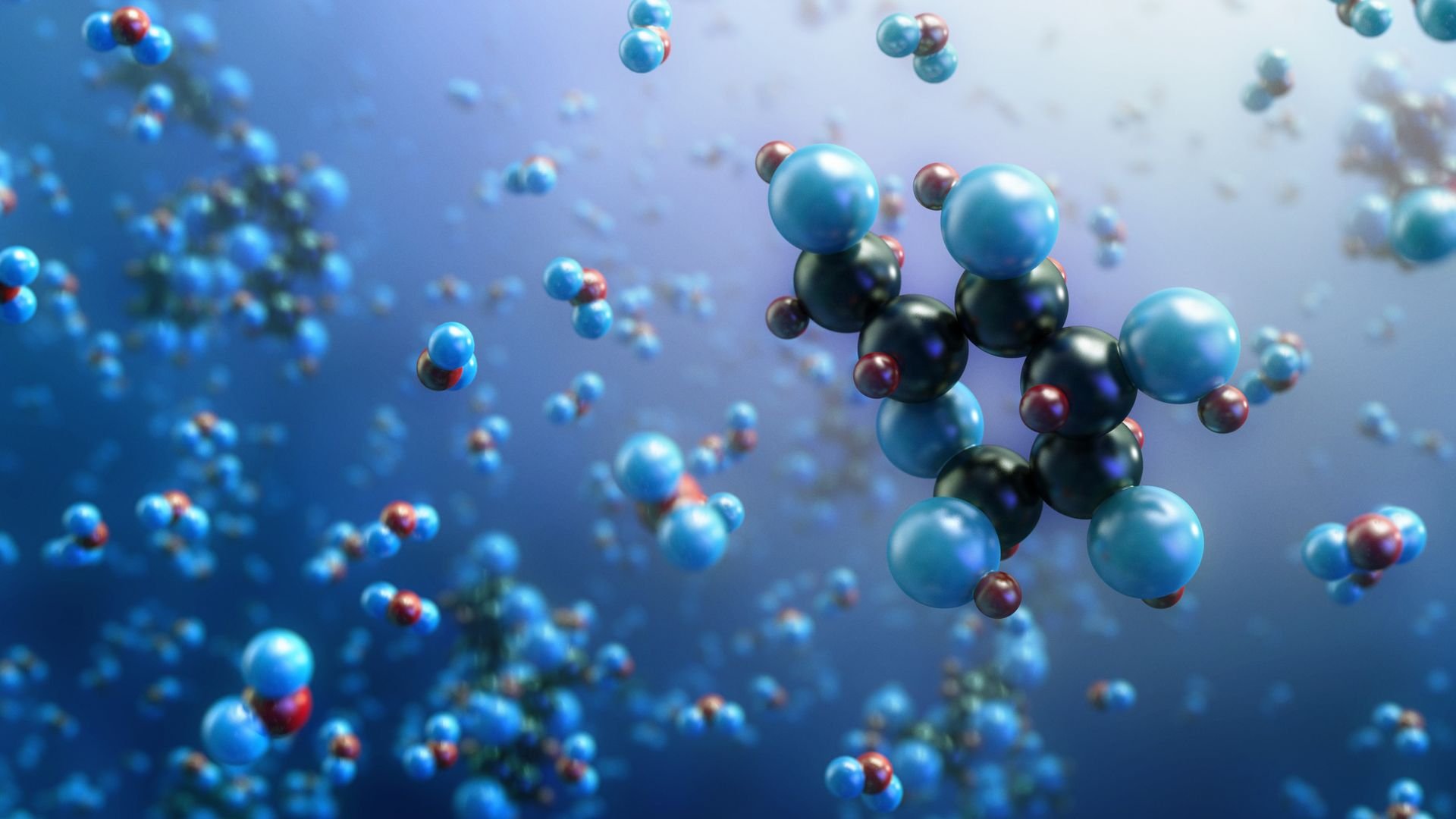
That mechanism links sugar use and oxygen delivery in one compact system. Under low oxygen, the body needs to move oxygen into tissues more effectively. The red blood cells consume more glucose and produce more 2,3-DPG, which helps oxygen unload where it is needed.
The study also found changes at the surface of the red blood cells. Cells produced under low-oxygen conditions had higher levels of GLUT1, a protein that helps glucose enter the cell. These cells had about twice as much GLUT1 and took up roughly three times more glucose than typical red blood cells.
The researchers labeled existing red blood cells before exposing mice to low oxygen. That step helped separate older cells from newly made ones. The adaptations appeared mainly in newly produced red blood cells, showing that the low-oxygen environment changed the next generation of cells entering circulation.
Why the Effect Lasted for Weeks
Red blood cells circulate for a meaningful stretch of time. That helps explain why the glucose-lowering effect continued after mice left the low-oxygen chambers. The animals still carried red blood cells that had been produced under hypoxic conditions.
Those cells were built differently. They carried more GLUT1 and consumed more glucose. Their metabolism also favored production of 2,3-DPG, tying blood sugar use to oxygen release.
The body also responds to high altitude by making more red blood cells. Low oxygen stimulates production of erythropoietin, a hormone that tells the bone marrow to produce more oxygen-carrying cells. That response is familiar from high-altitude training, where athletes seek more efficient oxygen delivery to tissues.
In this study, the higher red-blood-cell count worked together with cellular reprogramming. More red blood cells meant more total capacity to absorb glucose. Newly made cells under low oxygen also behaved as stronger sugar consumers.
Outside experts in the provided source material described the finding as biologically sensible. Red blood cells increase when air is thin and red blood cells rely on glucose. The study’s contribution is showing how cell number and cell behavior can combine to reshape blood sugar levels in mice.
A Possible Path Toward New Diabetes Drugs
The therapeutic angle remains early, but it’s one reason the study is drawing attention. If a similar pathway can be safely activated in humans, future treatments might mimic some metabolic effects of altitude without requiring patients to live in low-oxygen environments.
The researchers tested an experimental compound called HypoxyStat, which was developed in Jain’s lab. In the provided source material, HypoxyStat is described as a compound that increases how strongly hemoglobin binds oxygen. That effect mimics a form of oxygen deprivation and may trigger some of the same red-blood-cell responses.
In mouse models of type 1 and type 2 diabetes, the study reported that hypoxia or the small-molecule hypoxia mimic rescued hyperglycemia. That result is promising within the limits of animal research. It also raises many safety questions because oxygen handling affects the entire body.
Jain framed the treatment implications carefully in an official statement quoted in the source material: “It opens the door to thinking about diabetes treatment in a fundamentally different way.” The idea is a shift in target. Instead of focusing only on insulin, the liver, muscle, or fat tissue, the work points to red blood cells as active participants in systemic glucose control.
Transfusing red blood cells is unlikely to become a practical diabetes treatment. The study points more toward engineered cells or drugs that influence the same pathway. Any such approach would need to show that it can lower glucose safely while preserving healthy oxygen delivery.
What Still Needs Testing in People
The biggest limitation is straightforward. The core experiments were conducted in mice. Human biology often follows similar principles, but diabetes is complex and people vary widely in genetics, lifestyle, altitude exposure, cardiovascular health and blood disorders.
The high-altitude pattern in humans gives the work an important clue. Still, the mechanism needs direct human evidence. Researchers would need to test whether red blood cells from people at altitude show similar increases in glucose uptake, GLUT1 abundance and 2,3-DPG production.
Safety will be central to any drug strategy. The body’s response to hypoxia affects blood thickness, heart strain, breathing, kidney signaling and vascular function. A medicine that mimics low oxygen would need to be tuned with great precision.
The study also suggests several practical questions. How long do the glucose-related changes last in humans after altitude exposure? Do people with type 1 diabetes and type 2 diabetes respond differently? Could existing blood conditions alter the effect? Would sex, age, or fitness level change the response?
For now, the discovery offers a clearer explanation for a long-standing altitude mystery. Thin air appears to push red blood cells into a more active metabolic state in mice. Those cells soak up more sugar, help hemoglobin release oxygen and may reveal a new route for studying diabetes treatment.