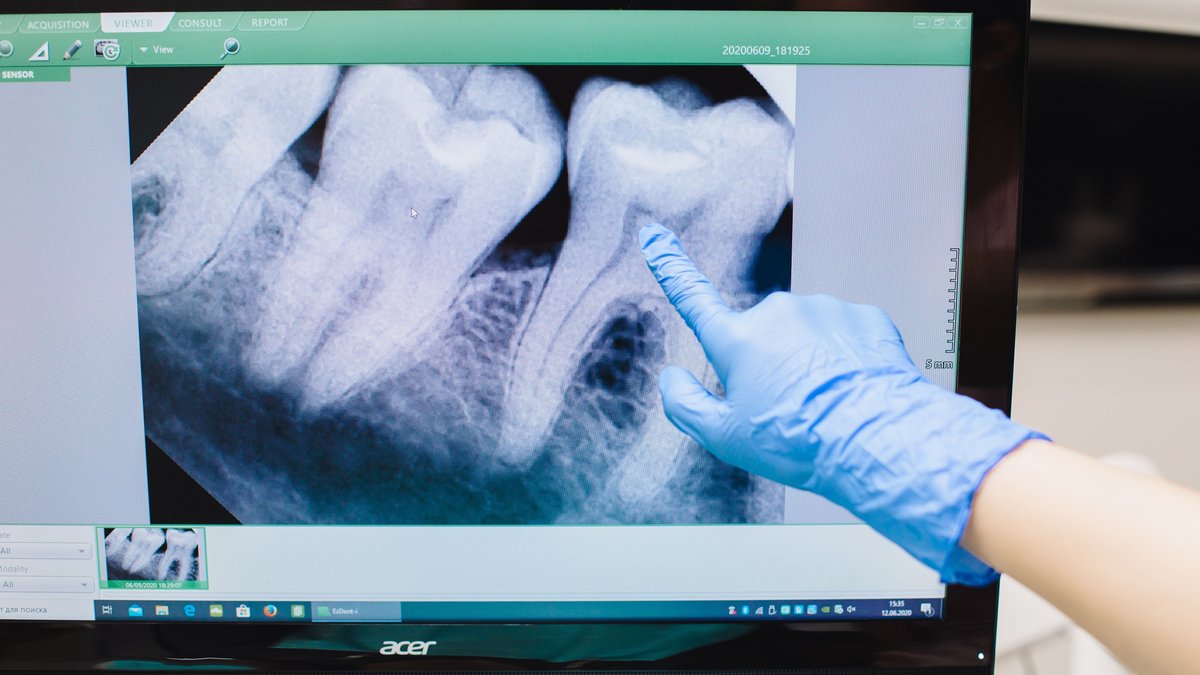
One protein may stand between a dormant tooth-forming program and a new route for treating missing teeth. A 2024 study in the Journal of Oral Biosciences describes an antibody drug designed to treat congenital tooth agenesis by targeting USAG-1, a molecule that helps restrain tooth development.
For children born without six or more permanent teeth, the problem can shape years of eating, speech, jaw growth and dental care. Researchers led by Katsu Takahashi, affiliated with the Dentistry and Oral Surgery division at Medical Research Institute Kitano Hospital, are pursuing a biological treatment that aims to let the body build teeth in place.
The approach centers on a simple idea with a long scientific trail behind it. Human jaws may retain dormant tooth-forming structures linked to a possible third set of teeth. In animal studies, blocking one key suppressor allowed tooth growth to resume. The work has now moved from mice and ferrets toward human testing, where safety comes first and proof of regrowth remains the critical question.
If the strategy works in people, dentistry would gain a new kind of therapy for patients who lack teeth from birth. Implants and dentures can restore appearance and function. A living tooth grown by the body could bring enamel, dentin, pulp and sensory feedback into the same treatment goal.
The Protein That Puts the Brakes on Teeth
USAG-1 is the protein at the center of this tooth-regeneration effort. The name stands for uterine sensitization-associated gene-1. In tooth development, it acts as a restraint on signals that help tell cells when and where to form teeth.
Tooth formation depends on a carefully timed conversation between tissues in the developing jaw. Cells exchange chemical signals, then shape a tooth bud into a structure with enamel-forming cells, dentin-forming cells and the soft inner pulp. When those signals weaken or stop, tooth development can stall.
The condition targeted by the drug is congenital tooth agenesis. People with this disorder are born missing one or more permanent teeth. Severe forms can leave children short six or more teeth, which creates problems long before cosmetic dentistry enters the picture.
In childhood, teeth help guide chewing, speech and facial development. A child with many missing teeth may use dentures while waiting for the jaw to finish growing. Dental implants are usually delayed until later adolescence or adulthood because the jaw is still changing.
The scientific clue came from the opposite pattern, extra teeth. Some people develop supernumerary teeth, which suggests that the body can sometimes activate tooth-forming programs beyond the usual two sets. Takahashi and colleagues followed that clue toward the idea of a third dentition, a latent tooth-forming potential that may remain quiet in most people.
How One Antibody Reawakened Tooth Growth
The first major evidence came from laboratory animals. Mice lacking USAG-1 developed extra teeth, which showed that the protein normally helps limit tooth number. When researchers paired that insight with mouse models that were born missing teeth, reducing the effect of USAG-1 helped restore tooth development.
That genetic result gave the team a target. A medicine for people needs a practical way to influence the protein. The group therefore developed an anti-USAG-1 antibody, a targeted drug meant to bind the protein and block a selected part of its activity.
Antibodies can be highly specific. They recognize a molecular shape, attach to it and change how that target behaves. In this case, the goal is to loosen USAG-1’s hold on tooth-forming signals so the body can continue a developmental process that had stopped.
One pathway appears especially important. USAG-1 interacts with signals involved in bone morphogenetic protein activity, often called BMP signaling. BMP signals help guide the formation of bones and teeth during development. By interfering with USAG-1’s suppression of this pathway, the antibody appeared to reopen the instructions needed for tooth growth in animal experiments.
Precision mattered in those experiments. USAG-1 has more than one biological role, so the drug strategy had to focus on the tooth-relevant signal. The research described in earlier animal work reported the formation of whole teeth after antibody treatment, including hard outer tissue and living inner tissue. That matters because a functional tooth is a layered organ, built from several specialized tissues that must form in the right arrangement.
Why Ferrets Mattered Before Human Trials
Ferrets played an important role because their dental development is closer to ours than that of mice. Mice are useful for genetics and early testing, yet their teeth and life history differ from human teeth in obvious ways. Ferrets grow baby teeth and then adult teeth, which makes them valuable for studying a treatment aimed at human tooth replacement.
In ferret experiments described in the research program, the antibody approach produced an extra tooth that settled into the dental arch. That result gave the team a stronger reason to keep moving than mouse studies alone could provide. A drug that affects tooth formation in a mammal with two tooth sets is more relevant to human dentistry.
The key idea is that the antibody may release a tooth bud from biological restraint. Tooth buds are early developmental structures that can become teeth when the right signals arrive in the right order. If a bud exists but remains quiet, changing one signal could allow the developmental program to restart.
That idea still needs careful testing in people. Animal teeth and human teeth form under different conditions and a result in ferrets gives researchers a reason to proceed with caution. It cannot answer how often a tooth would grow in a human jaw, where it would erupt, or how well it would align with nearby teeth.
These questions are central because a tooth is useful only if it emerges in a safe and functional position. The jaw has nerves, blood vessels, bone and existing teeth. Any treatment that encourages tooth formation must be evaluated for where growth occurs, how growth is controlled and whether the new tooth fits the patient’s bite.
The First Safety Step in People
The first human work described for this therapy began as a safety-focused clinical trial. Early trials often start with adults because researchers need to evaluate side effects before studying children or patients with more severe inherited tooth loss. The first goal is to learn how the body handles the drug.
For a tooth-regrowing medicine, safety questions are unusually concrete. Researchers must watch for reactions to the antibody, unwanted effects in tissues outside the mouth and changes in the jaw. They also need to study dose, timing and the best patient group for later phases.
The 2024 Journal of Oral Biosciences study frames the drug as a treatment for congenital tooth agenesis. That focus is important. A patient born missing teeth may have dormant developmental potential that differs from an adult who lost a tooth to decay, injury, or gum disease. The earliest medical goal is therefore targeted rather than universal.
Children with severe congenital tooth agenesis could eventually be the group with the clearest need. They may spend years with temporary dental solutions while their jaws mature. A successful biological treatment could reduce that long waiting period, although pediatric testing requires a higher safety bar and careful timing.
At this stage, the human story remains early. Safety signals, dose decisions and later evidence of actual tooth formation will determine how far the therapy can go. The encouraging animal data explain why the trial exists. Human biology will decide whether the same mechanism can become a treatment.
A Possible Third Option Beyond Dentures and Implants
Dentistry already has powerful tools for replacing missing teeth. Dentures and implants help millions of people chew, speak and smile. A tooth-regeneration drug would add a biological option with a different goal, encouraging the body to construct a living tooth from its own tissues.
A living tooth has features that artificial replacements cannot fully copy. It contains pulp with nerves and blood vessels. It sits in the jaw through a ligament that helps sense pressure. It can respond to stress through living tissue, which gives natural teeth their remarkable relationship with the rest of the mouth.
That is why the anti-USAG-1 approach has drawn attention far beyond dental research. It suggests that some missing teeth may be treated by changing a developmental signal instead of building a replacement outside the body. The body’s own blueprint would do much of the construction if the right conditions are present.
The caution is just as important as the promise. The current research pathway began with congenital absence of teeth, especially severe forms. Tooth loss from aging, infection, trauma, or gum disease involves a different biological setting. Bone quality, inflammation and the absence of a dormant bud could all affect whether the method applies.
Even in the intended group, a future therapy would need to answer practical questions. Clinicians would need imaging to identify candidate sites. They would need to know when to treat, how to guide eruption and how to manage spacing. Orthodontic care may still be needed if a new tooth grows in a crowded jaw.
The central finding remains striking because it points to a controllable molecular switch. By targeting USAG-1, Takahashi’s group is trying to move tooth regeneration from an intriguing developmental phenomenon into a clinical therapy. The next phases of human research will show whether the same biology that produced teeth in animals can help patients born without them.