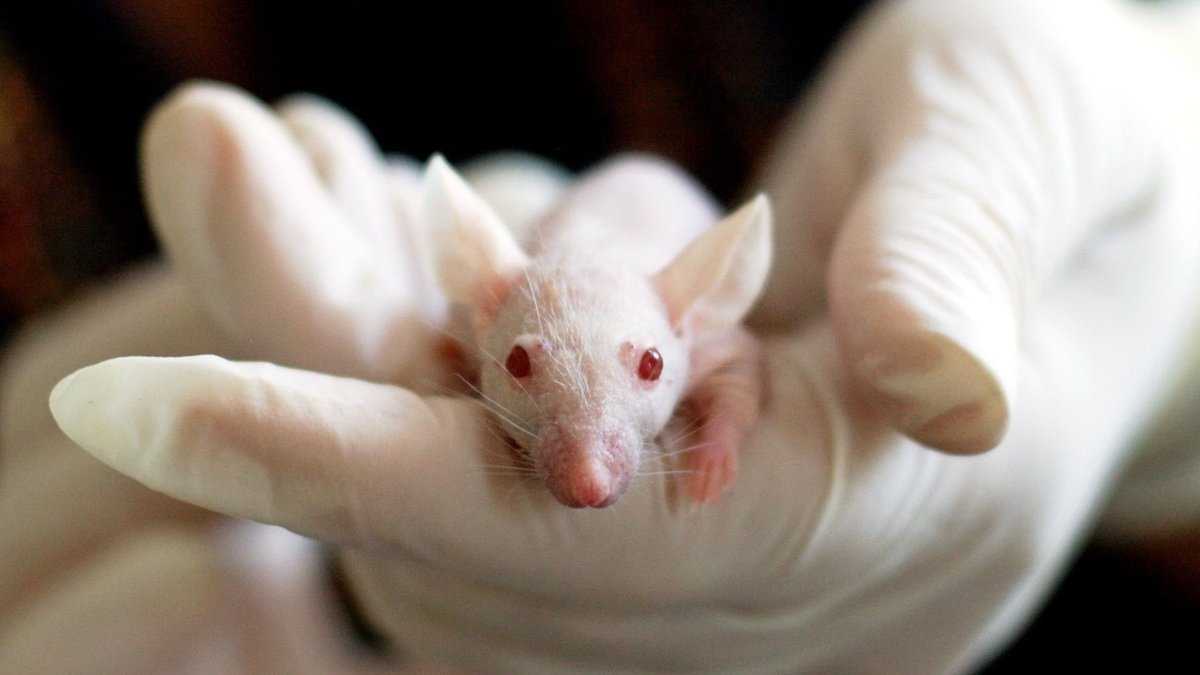
Twelve mice, two low-fat diets and 16 weeks of feeding revealed an unexpected biological pattern. A study in Frontiers in Immunology found that mice eating a sucrose-free low-fat diet developed changes in gut bacteria, blood sugar control, intestinal inflammation and liver health.
The work was led by researchers primarily affiliated with Dasman Diabetes Institute in Kuwait City. It focused on sucrose, the common table sugar found in many foods. The question was narrow and important. What happens when sucrose is completely removed from a low-fat diet?
The answer was more complicated than a simple less-sugar-is-better message. In this mouse experiment, the sucrose-free group showed signs of metabolic dysfunction even though body weight and liver weight stayed broadly similar to the control group.
What the Mouse Study Found
The researchers compared two groups of mice over 16 weeks. One group received a low-fat diet that contained sucrose. The other group received a sucrose-free low-fat diet. Each group included six mice, which makes the study small and early-stage.
Even with that caution, the biological changes were striking. The sucrose-free group developed impaired glucose tolerance and reduced insulin sensitivity. These are warning signs because they suggest the body had more trouble managing blood sugar.
The study abstract framed the research question directly: “Low-fat diets are widely promoted as health-protective; however, the consequences of removing sucrose within a low-fat dietary framework remain unclear.” That uncertainty is what the team set out to test in a controlled animal model.
Several measurements pointed in the same direction. The researchers reported altered circulating metabolic hormones, including higher levels of C-peptide, incretins, ghrelin and resistin. Fasting insulin was lower in the sucrose-free group.
Those hormone shifts matter because metabolism is coordinated by many signals at once. Blood sugar, appetite, insulin response and gut activity are all connected. A diet change can ripple through that network in ways that are hard to predict from a single ingredient.
A Gut Microbiome Shake-Up
The most direct shift appeared in the gut microbiome. Using 16S rRNA sequencing, the researchers examined bacterial diversity and composition in the mice. This method reads genetic markers that help identify microbial groups living in the intestine.
In the sucrose-free group, the microbial community changed in ways the researchers linked with inflammation and metabolic stress. Beneficial or commensal bacteria that produce short-chain fatty acids were depleted. These included Lactobacillus murinus and members of the Lachnospiraceae family.
Short-chain fatty acids are compounds made when gut microbes break down certain nutrients. They help support the intestinal lining and can influence immune activity. When the bacteria that produce them decline, the gut environment may become more vulnerable to inflammation.
At the same time, the sucrose-free diet was associated with an enrichment of bacteria described as pro-inflammatory or stress-adapted. The study listed Helicobacter ganmani, Odoribacter splanchnicus and Alistipes species among the taxa that increased.
Gut microbiomes are highly dynamic. They respond to food, timing, host biology and microbial competition. In this experiment, removing sucrose within a low-fat diet shifted that ecosystem enough to coincide with measurable immune and metabolic changes.
Blood Sugar Control Got Worse
The metabolic results were especially noteworthy because both diets were low in fat. The sucrose-free mice developed impaired glucose control, meaning their bodies handled glucose less effectively during testing.
The team also reported reduced insulin sensitivity. Insulin helps move glucose from the bloodstream into tissues. When insulin sensitivity falls, the body has to work harder to keep blood sugar within a healthy range.
These findings were paired with changes in circulating hormones. Higher C-peptide can reflect altered insulin production. Incretins are gut-related hormones that influence insulin release. Ghrelin affects hunger and energy balance. Resistin has been linked to inflammation and insulin resistance in metabolic research.
Taken together, those results suggest that removing sucrose reshaped more than calorie intake. It appeared to influence the gut, hormone signaling and immune activity at the same time.
The body weight finding adds another layer. The researchers reported no major difference in body weight between the two groups. That means the observed changes were associated with diet composition and biological response rather than a simple weight-gain effect.
Inflammation Reached the Liver
The gut findings were accompanied by visible changes in intestinal tissue. In the colon, the sucrose-free group showed architectural disruption of crypts. These structures help organize the lining of the intestine.
The researchers also reported loss of goblet cells. Goblet cells produce mucus, which helps protect the intestinal surface. A thinner or disrupted protective layer can allow more immune activation in the gut.
Immune cells were more active as well. The study found increased infiltration of CD3-positive T cells and F4/80-positive macrophages in the colon. T cells and macrophages are immune cells that can help fight threats. Their buildup can also signal tissue inflammation.
Inflammatory markers rose in the colon too. These included IL-1β, IL-6, CCL2, RORγt and TBX21. Such markers suggest that the immune system was responding to a changed intestinal environment.
The liver showed related signs of stress. The sucrose-free group developed hepatic microvesicular steatosis, a pattern of tiny fat droplets in liver cells. The study also reported lobular inflammation and increased immune cell recruitment in liver tissue. This supports the idea of a gut-liver connection in the diet response.
Why Sucrose Removal Matters
Sucrose is often discussed as something to reduce, especially in diets high in added sugars. Large amounts of added sugar can contribute to poor dental health, excess calories and metabolic strain. This mouse study looked at a different question, complete removal of sucrose from a low-fat dietary framework.
That distinction is important for interpreting the work. The experiment does not show that people should increase added sugar. It shows that a very specific diet change produced unexpected effects in a small group of mice.
The mechanism may involve microbial ecology. When sucrose disappeared from the low-fat diet, some bacteria lost a food source while others gained an advantage. That shift may have changed microbial byproducts, intestinal barrier function and immune signaling.
Once inflammation starts in the gut, it can affect distant organs. The liver receives blood from the intestine through the portal vein. Signals and microbial products from the gut can therefore influence liver metabolism and immune activity.
The study’s core message is about balance and context. A nutrient can have different effects depending on the overall diet, the organism, the microbiome and the length of exposure. In this case, the dietary context was low-fat feeding in mice over 16 weeks.
What This Means for Human Diets
The findings should be read carefully because they come from mice. Animal studies help researchers test mechanisms under controlled conditions. Human diets are more variable and human microbiomes differ widely from person to person.
The sample size was also small. Each group had six mice. That makes the study useful for generating hypotheses, while larger experiments would be needed to test how consistent the effects are.
Another key point is the difference between reducing excess added sugar and fully removing sucrose in a controlled low-fat diet. The study examined complete sucrose elimination within that diet design. It did not test every version of a sugar-reduced diet.
For people, the practical takeaway is caution around extreme interpretations. Nutrition rarely depends on one ingredient alone. Fiber intake, total carbohydrates, protein, fat quality, food processing and gut microbiome composition all shape metabolic outcomes.
The study points toward a deeper research question. Future work could examine whether similar microbiome shifts occur in humans, whether fiber or complex carbohydrates change the response and whether certain microbial profiles make some individuals more sensitive to strict sucrose removal. For now, the research adds a surprising animal-model clue to the complex science of diet, gut bacteria and metabolic health.