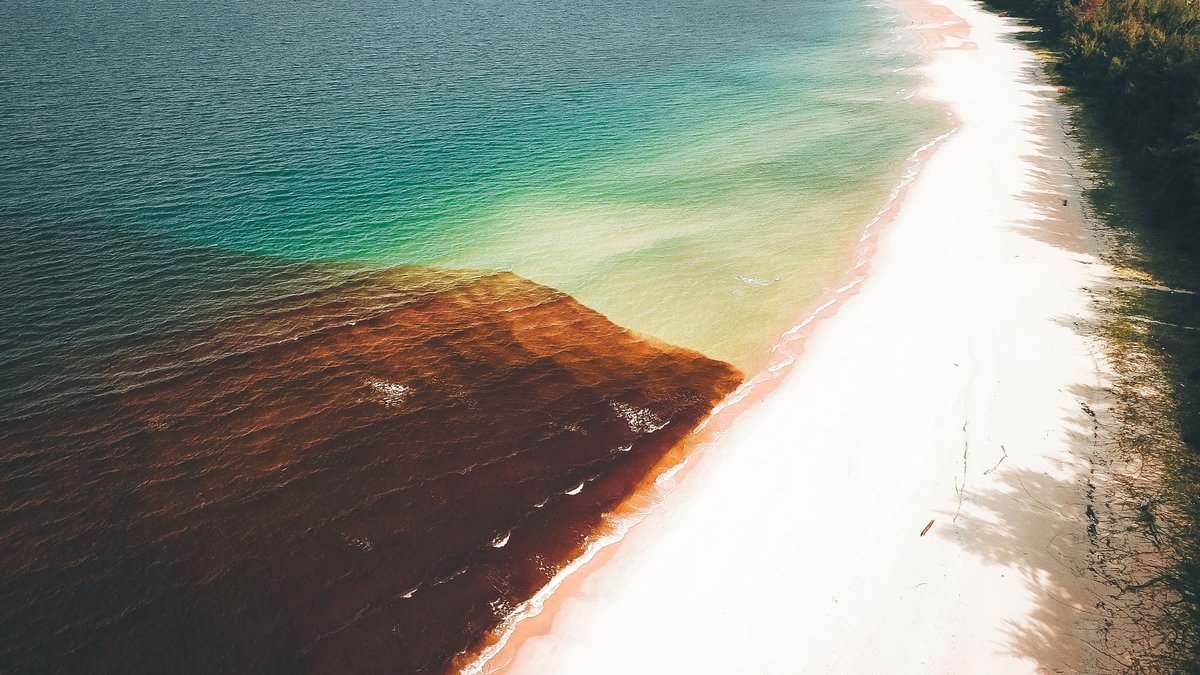
Images of polluted lakes failed to produce a measurable rise in the stress hormone cortisol among environmentally aware university students. Participants clearly recognized the danger and expressed disgust, worry, or panic, yet their saliva samples showed no significant physical stress response.
The experiment examined harmful algal blooms, often called HABs, which can spread across lakes when algae or cyanobacteria grow rapidly. Some blooms release toxins that threaten people and animals. Their thick green appearance also provides a clear visual sign of damaged water.
Researchers from the University of Vermont reported the findings in a 2025 PLOS ONE study. The results raise a difficult question for environmental psychology: why can people feel strong negative emotions while a common biological marker of stress remains largely unchanged?
How researchers recreated harmful algal blooms
The experiment included students from three undergraduate courses at the University of Vermont. Recruitment took place from October 1 to December 2, 2021. The courses covered ecological economics, human health and the environment and environmental studies, so many participants already spent considerable time learning about environmental problems.
About a month before the experiment, students watched a required three-minute video explaining harmful algal blooms. The video covered their causes and some of their effects on ecosystems and people. Advance preparation helped ensure that participants could identify the blooms and knew that the water might be unsafe.
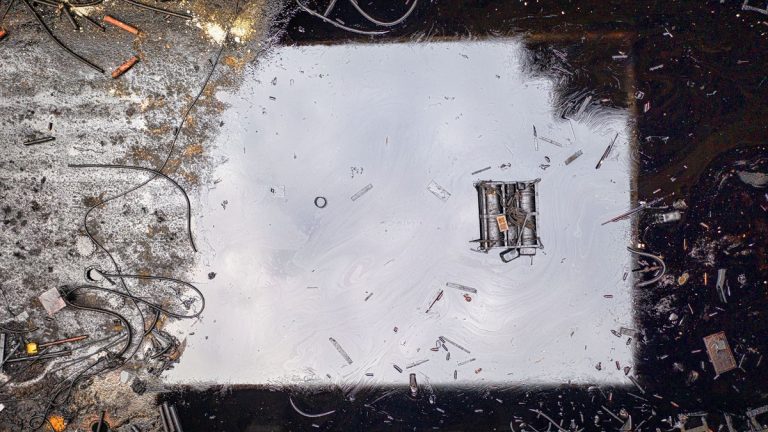
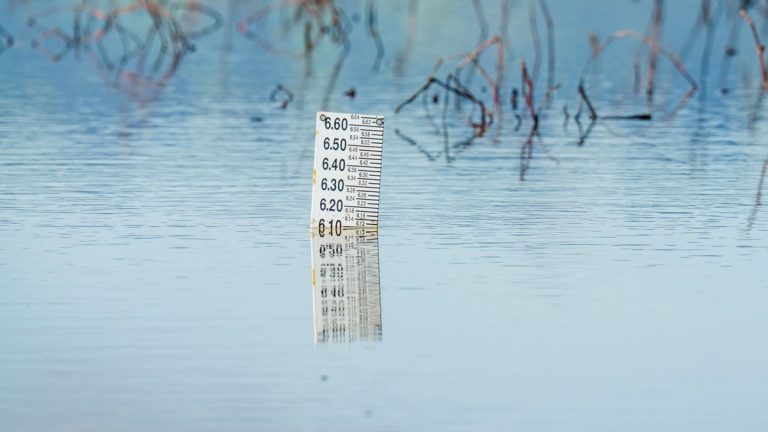
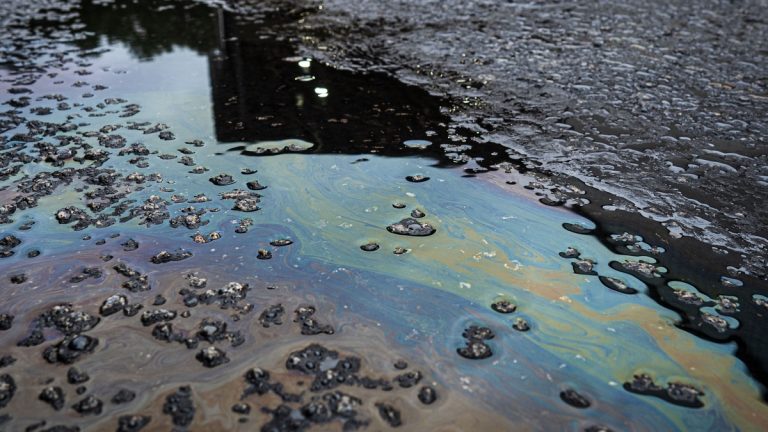
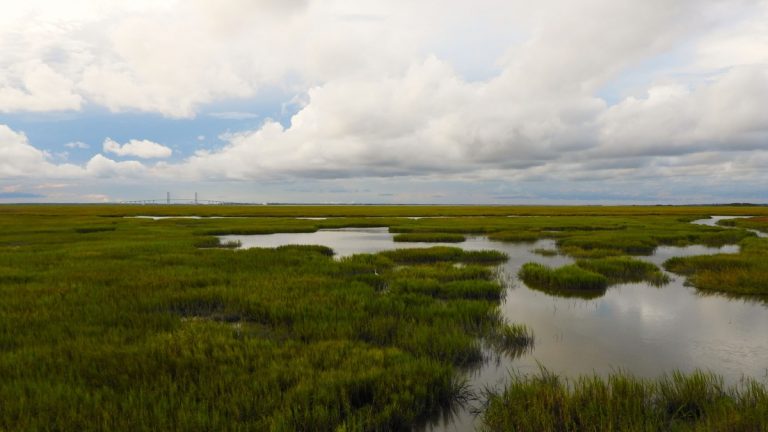
Researchers selected 10 photographs of water bodies in the eastern United States. Half originally showed blooms, while the other half showed water without visible blooms. Each photograph was digitally changed to create a matching version, giving the team two sets of nearly identical scenes. Water condition was the central visual difference between each pair.
The HAB treatment group contained 85 participants, while the clean-water control group contained 87. Students received workbooks containing photographs from one condition. Prompts asked them to imagine swimming in the water and consider how they would feel after accidentally swallowing some of it. The questions encouraged close attention to each scene.
What saliva samples revealed
Researchers measured salivary cortisol before and after students viewed the photographs. Cortisol helps the body respond to demanding situations by changing how energy is used. Levels can rise after a stressful event, which makes saliva testing a common tool in studies of short-term stress.
The experiment took place between 2 p.m. and 5 p.m. Cortisol is usually highest in the morning and declines through the day, so afternoon testing reduced some of the natural variation caused by daily hormone cycles. About 12 minutes passed between the completion of the first saliva collection and the beginning of the second.
After samples with missing information or too little saliva were removed, the researchers had 161 paired samples for analysis. They calculated the proportional change for each person, which allowed the comparison to account for large natural differences in starting cortisol levels.
The polluted-water and clean-water groups showed no statistically significant difference. The paper summarizes the central finding clearly: “We found no difference in percentage change in cortisol between our two conditions.” The same result appeared when researchers examined students with high or low scores for climate anxiety and connectedness to nature.
Disgust appeared without a cortisol spike
Written responses showed that the images had a clear emotional effect. Nearly every participant in the bloom group described the water as dirty, disgusting, or filled with harmful algae. Many expressed concern and some described panic. Students viewing clean water commonly wrote about relaxation, enjoyment, or refreshment.
Two people in the bloom group said they would swim in the water and responded much like members of the control group. Researchers removed their responses because the experiment depended on participants recognizing the water as unhealthy.
The difference between written emotion and measured hormone levels illustrates how stress can take several forms. A person may experience disgust or worry without producing a strong, immediate cortisol response. Feelings reported through language and biological changes measured in saliva describe related parts of an experience, while each follows its own timing and intensity.
Harmful blooms also require learned knowledge. Green water does not always trigger the same rapid danger response as a charging animal, a sudden loud noise, or a physical injury. People usually interpret the threat through information about toxins and health warnings. The brain may therefore process the scene as a known environmental concern whose effects could appear through slower forms of anxiety.
Environmental awareness may influence the response
Students in the experiment were unusually familiar with environmental issues. Their courses focused on ecology, health and human relationships with nature. Many participants may have encountered images and discussions of polluted water long before the study began.
Repeated exposure could reduce the immediate physical response to another photograph of environmental damage. Familiar scenes may still create concern, while producing little change in a hormone linked with short-term biological stress. The researchers also considered whether constant awareness of environmental decline might contribute to stress over longer periods.
The experiment did not measure long-term cortisol patterns, so it cannot determine whether students were already experiencing chronic environmental stress. Hair samples can preserve information about cortisol exposure over several months, while saliva captures a much shorter period. A future study could combine the two methods to compare immediate reactions with longer-lasting strain.
Scores for climate anxiety and connectedness to nature were similar across the two experimental groups. The weak relationship between the two scales also suggests that they measure different experiences. A person can feel closely connected with nature while reporting relatively little climate anxiety and another person may worry about climate change without scoring as highly on personal connection with nature.
Photographs and test timing leave open questions
A photograph provides a limited encounter with environmental damage. Students remained inside a classroom and knew they were completing an academic activity. They did not smell the water, stand beside a contaminated shoreline, or face a real decision about swimming. A direct encounter could produce a stronger physical response.
Immersive video or virtual reality could offer a closer approximation of being at a polluted lake. Field studies could examine visitors who arrive at a beach and discover that a bloom has closed the water. Such settings would include more sensory information and real consequences, although they would also make experimental control more difficult.
The 12-minute sampling interval creates another limitation. Cortisol response times vary according to the person and the type of stressor. Some studies detect changes within several minutes, while other experiments wait 15 minutes or longer. Sampling at several points could reveal a delayed rise that one follow-up test might miss.
Other biological markers may respond sooner. Salivary amylase, an enzyme involved in breaking down starch, can rise quickly after a stressful event. Heart rate and skin conductance can also change over short periods. Combining several measurements could give researchers a wider view of the body’s response to environmental degradation.
Why broader studies are needed
The participant group was drawn from a single university and consisted of students taking environmentally focused courses. Results from this population cannot describe how every community responds to polluted water. Age, previous experience, health, culture and daily contact with environmental hazards can all influence stress.
People living near repeated algal blooms may respond differently because the damage affects their routines and livelihoods. A bloom can close swimming areas, threaten drinking water, harm pets, or disrupt fishing. For residents who depend on a lake, an image of green water may recall specific losses and health warnings.
Communities facing heavy pollution burdens also deserve focused study. Research on environmental justice has documented how some populations experience greater exposure to contaminated air and water. Their reactions may include memories of past incidents, concern for children and frustration with institutions responsible for public safety.
Working with affected communities requires time and careful ethical planning. Researchers need local relationships and clear communication about how information will be used. Funding must also support travel, community participation and study designs that respect local knowledge. Broader research could reveal whether the classroom result reflects environmental familiarity or the limited reality of viewing photographs.
Null results can improve future research
The study produced a null result, meaning the data did not show the predicted difference between the groups. Such findings help define the limits of an idea. In this case, viewing bloom photographs for about 10 minutes did not produce a detectable cortisol increase under the conditions tested.
Publishing null findings can prevent other teams from unknowingly repeating the same design. Researchers can consult the full paper through PubMed Central, review the methods and choose longer sampling periods or additional stress markers. The study’s supporting data also allow other scientists to inspect the analysis.
Scientific journals have historically favored positive results, which can leave failed predictions hidden in laboratory files. The practice creates an incomplete picture because readers see more successful hypotheses than unsuccessful ones. Open reporting gives scientists a clearer record of which approaches produced measurable effects.
Future experiments can now build on several concrete lessons. Real-world exposure may carry greater force than photographs, cortisol may require additional sampling times and different communities may respond according to their experiences with polluted water. The study adds a careful result to a lightly explored area, while showing how emotional alarm and immediate hormone changes can follow different paths.
The PubMed record identifies Rachelle K. Gould as the lead author, with Katrina Moreau, Brendan Fisher, David González-Jiménez and Christine Vatovec as co-authors. Their experiment offers a starting point for studying how visible ecosystem damage affects the human body across minutes, months and daily life.