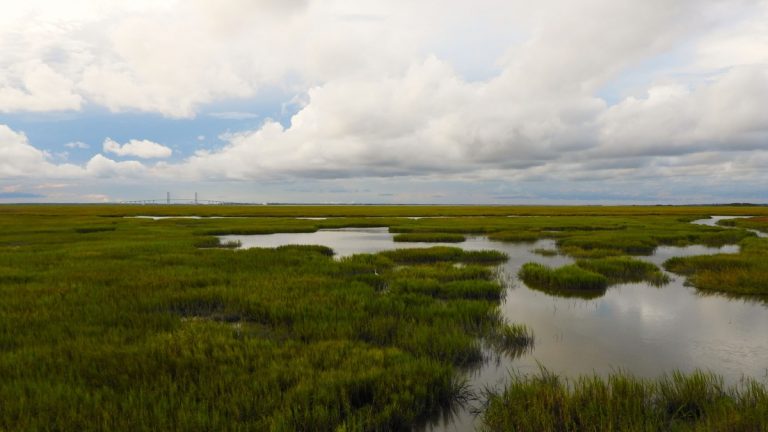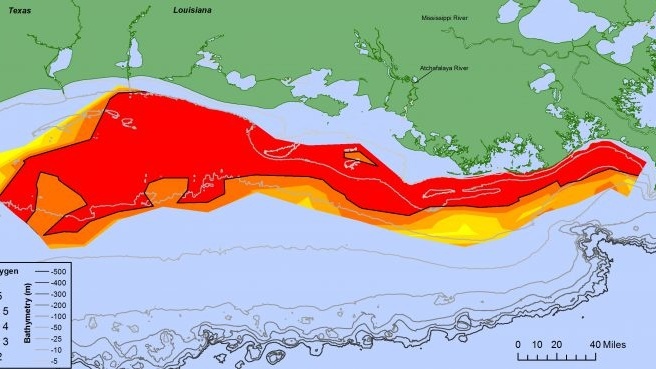
NOAA describes hypoxia as water with too little dissolved oxygen to support many marine animals. In coastal areas, this oxygen loss can create an ocean dead zone, a stretch of water where fish move away and many animals living on the seafloor struggle to survive. The change often begins far upstream, where rain carries excess nutrients from farms, cities and wastewater systems into rivers that empty into the sea.
The visible part can look like a burst of life. Nutrients help tiny drifting organisms grow quickly, sometimes turning the water green, brown, or red. The dangerous part arrives later. As that material dies and sinks, bacteria break it down and use oxygen from the water around it. Deep water can then lose the oxygen that crabs, clams, bottom fish and other animals need.
Nutrients fuel the oxygen loss
Nitrogen and phosphorus are natural ingredients of healthy ecosystems. Crops need them and marine plants use them too. Trouble develops when large amounts enter coastal water in a short time. Fertilizer runoff, livestock waste, sewage discharges and airborne pollution can all add to the supply. This process is called eutrophication and it can push a food-rich estuary into an oversized bloom.
Algae and other microscopic plants use sunlight and nutrients near the surface. Their growth may cover a wide area, especially where a large river meets a shallow coast. When the bloom fades, much of its dead material drops toward the seabed. NOAA coastal research links this chain of events in the northern Gulf to nutrient inputs carried by the Mississippi River. Bacteria feeding on the sinking material consume oxygen as part of their normal work.
Oxygen loss follows a sequence that can continue after the surface water looks clearer. An algal bloom supplies the material that sinks, while bacterial decomposition draws oxygen from deeper water. A large bloom, a steady nutrient supply and weak mixing can combine to create a low-oxygen layer. This is why cutting nutrient pollution helps address the problem before it reaches the coast.
That bacterial demand can exceed the oxygen arriving from above. Oxygen levels then fall, sometimes below the commonly used hypoxia threshold of 2 milligrams per liter. Animals able to swim may leave. Creatures attached to the seafloor or buried in sediment have far fewer options. The result is a patch of habitat that loses much of its usual animal life for days, weeks, or an entire season.
Stratified water traps the problem below
Freshwater from rivers is lighter than salty seawater. During warm months, it can spread across the surface as a separate layer. Heated surface water also stays lighter than colder water below. Together, those layers make the water column more stable and reduce the mixing that would carry oxygen down from the air.
This separation is called water-column stratification. It matters because oxygen-rich surface water and oxygen-poor bottom water remain apart. The bottom layer keeps losing oxygen while decomposition continues. The NOAA Hypoxia Watch tracks this recurring pattern on the Louisiana and Mississippi continental shelf, where river flow, winds, currents and summer heating all help shape the affected area.
Weather can make the pattern shift from year to year. Strong winds can stir layers together and bring oxygen downward. Calm, hot conditions can preserve the separation. Ocean warming adds another pressure because warmer water holds less dissolved oxygen and can strengthen layering near the surface. These physical conditions help explain why a bloom at the surface and oxygen loss near the seabed can occur at the same time.
Life and fisheries feel the squeeze
Low oxygen changes the map of usable habitat. Fish and shrimp often move toward nearby water with more oxygen. Oysters, clams, worms and many other bottom-dwelling animals remain in place, so a spreading hypoxic layer can kill them. Animals weakened by low oxygen may also grow more slowly, feed less, or produce fewer young.
Fisheries feel these shifts even when the most mobile species escape. A crowded band of oxygen-rich water can change where boats find shrimp or fish. It can also alter encounters between predators and prey. NOAA’s Gulf dead-zone overview notes that seasonal hypoxia can leave millions of acres of bottom habitat unavailable to fish and bottom species. Coastal communities that depend on seafood and recreation have a direct stake in that habitat.
Dead zones also reveal a wider food-web problem. Seafloor animals recycle nutrients and serve as food for larger fish. When their numbers fall, the effects can move through the ecosystem. Some harmful algal blooms bring an additional concern because toxins can build up in shellfish. Oxygen loss and toxic blooms involve different processes, yet both show how excess nutrients can disrupt coastal waters.
Reducing runoff supports recovery
Recovery starts across the watershed. Farmers can use fertilizer more precisely, plant cover crops and keep nutrient-rich soil out of streams. Cities can improve stormwater systems, while treatment plants can remove more nutrients from wastewater. Each measure reduces the amount reaching coastal water. The benefit grows when many communities act across the same river basin.
Coastal wetlands, streamside vegetation and healthy soils can also slow water and trap some nutrients before they reach a river. This kind of watershed management works alongside modern wastewater treatment and farm practices. It protects local waterways while reducing pressure on distant coasts. The approach reflects how an inland decision can affect habitat many miles downstream.
Scientists measure the Gulf’s hypoxic area each summer to see how conditions are changing. In a recent NOAA forecast, river discharge and nutrient loads were among the information used to estimate the seasonal zone. These records help researchers test whether nutrient reductions are reaching the coast and whether weather is amplifying or easing the yearly risk.
Improvement takes time because coastal water and sediments can hold a legacy of past nutrient pollution. Places with slow water exchange may recover especially slowly. Still, the mechanism offers a clear path: cut the nutrients that feed oversized blooms, protect wetlands and streams that filter runoff and limit warming that makes oxygen loss easier. A healthier coastal ecosystem depends on actions from fields and streets all the way to the sea.