Humans

RSS Feed
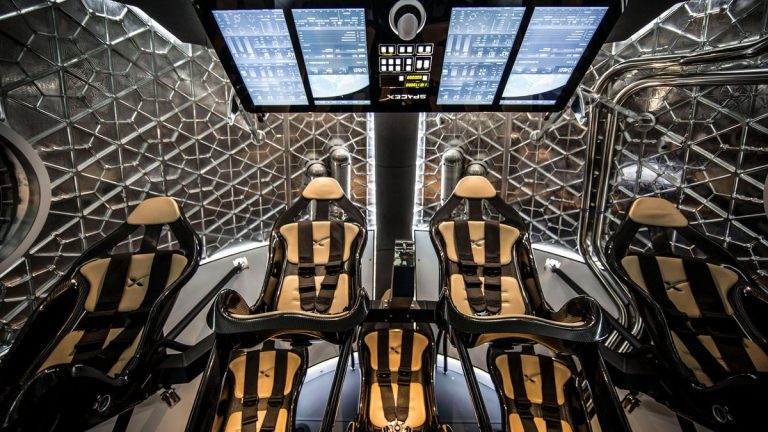
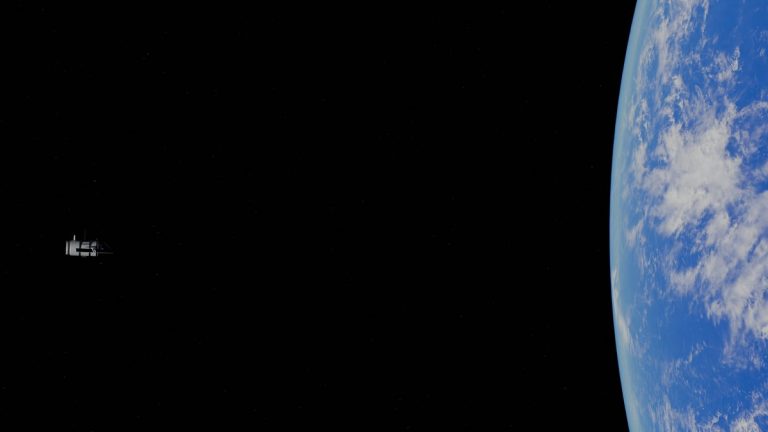
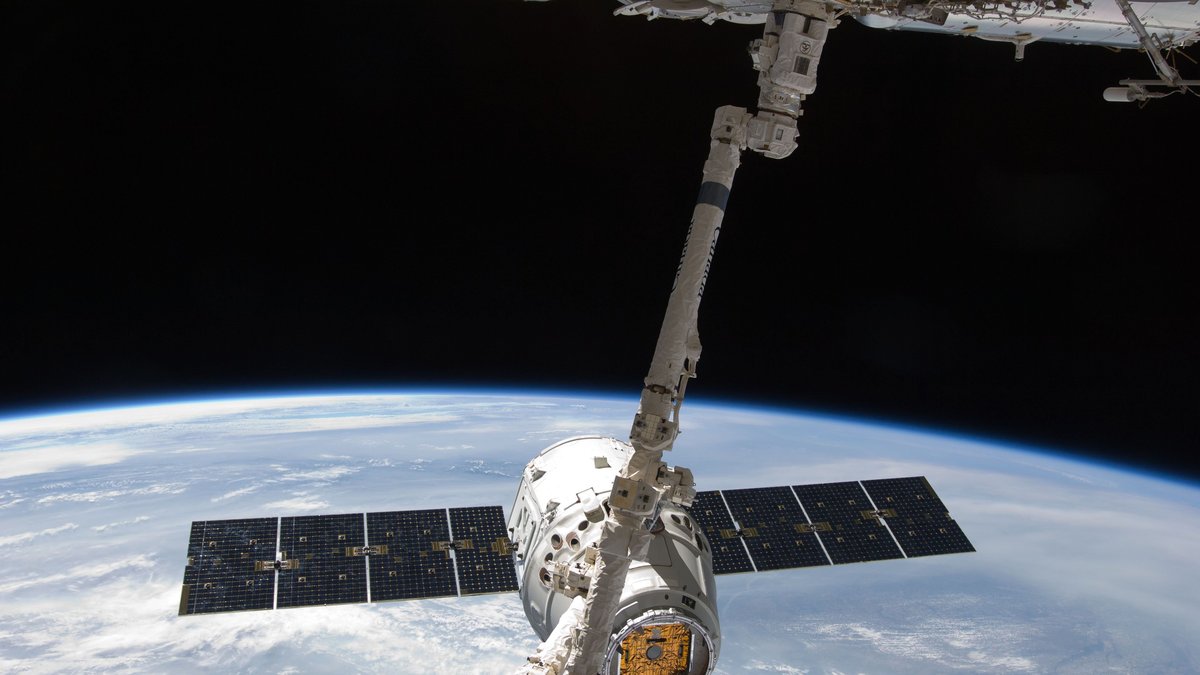
A spacecraft docked at the International Space Station above Earth

A 50-second delay between the International Space Station and Mission Control raised stress and frustration during a 166-day mission with three astronauts and 18 support staff, showing how a pause can unsettle the partnership that keeps crews and ground teams aligned

Fifty seconds is a small slice of time on Earth. A person can ask a question, glance at a screen, or take two breaths and keep moving. In orbit, during a demanding task, that same pause can feel much larger. A study tied to work aboard the International Space Station found that a 50-second one-way…


More

More in Humans

A woman in a spacesuit operating controls inside a simulated space habitat

Sixteen volunteers spent 30 days sealed inside NASA’s HERA habitat, and although cortisol rose as the mission continued, their mood and thinking scores held steady, suggesting the body can register isolation before performance begins to slip

Sixteen volunteers lived for 30 days inside NASA’s HERA habitat while researchers tracked stress hormones, mood, brain activity and thinking skills. The study, published in Experimental Brain Research, found a clear rise in cortisol during isolation. Yet the same mission produced little evidence that mood or cognitive scores collapsed under the pressure. Space agencies watch…

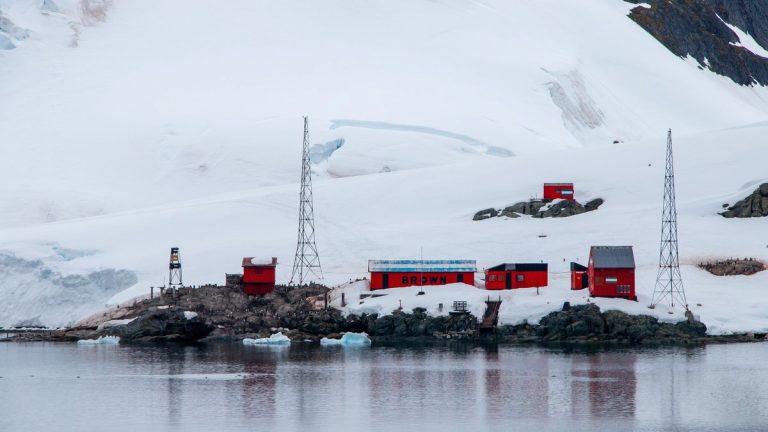
A red Antarctic research station surrounded by ice beside the sea

Thirteen men spent 13 months at Antarctica’s Concordia station, where polar night and thin air disrupted sleep and slowed reactions, revealing how people sharing the same Mars-like isolation can reach very different limits

Thirteen men lived through 13 months at Concordia station in Antarctica while researchers checked their sleep, fatigue, sleepiness and reaction speed every six weeks. The study found a broad pattern that Mars planners care about immediately: psychomotor speed dropped, sleep onset often lengthened and breathing during sleep showed strain linked to altitude. At the same…

An aerial view of Wellington, New Zealand and its ocean waterfront at sunset

Four hundred forty-two adults in Wellington reported less psychological distress when more ocean was visible from home, and the association remained after income, housing, crime, deprivation and nearby green space were considered

A view of water from a living room window may do more than improve a skyline. In Wellington, New Zealand, researchers found that adults whose homes had wider views of the sea tended to report lower psychological distress than people with less visible water around them. The result came from a Health & Place study…