Explainer

RSS Feed
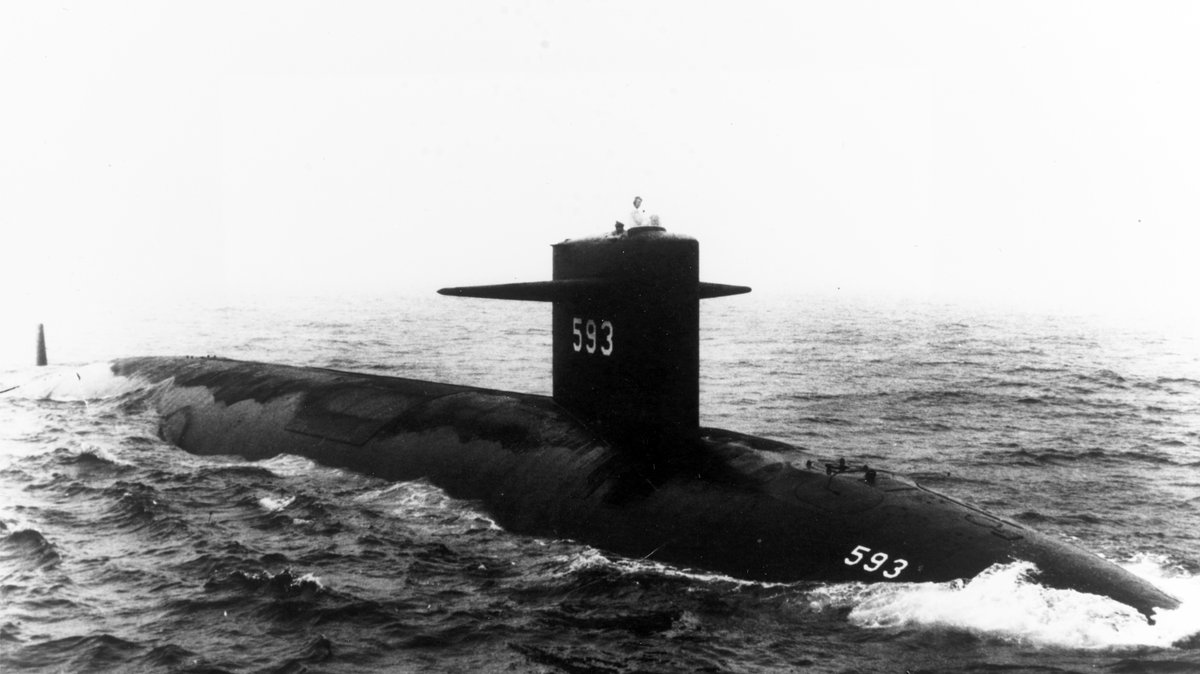
USS Thresher underway at sea on July 24, 1961

In 1963 USS Thresher disappeared during deep-diving tests 220 miles east of Cape Cod with 129 people aboard and the loss forced the U.S. Navy to rebuild submarine safety around SUBSAFE

One hundred twenty-nine people were aboard USS Thresher when the nuclear-powered attack submarine was lost in the Atlantic on April 10, 1963. The loss remains the deadliest accident in U.S. submarine history. It also left a lasting technical and human legacy, because the Navy rebuilt crucial parts of its approach to submarine design, repair, testing,…
More

More in Explainer

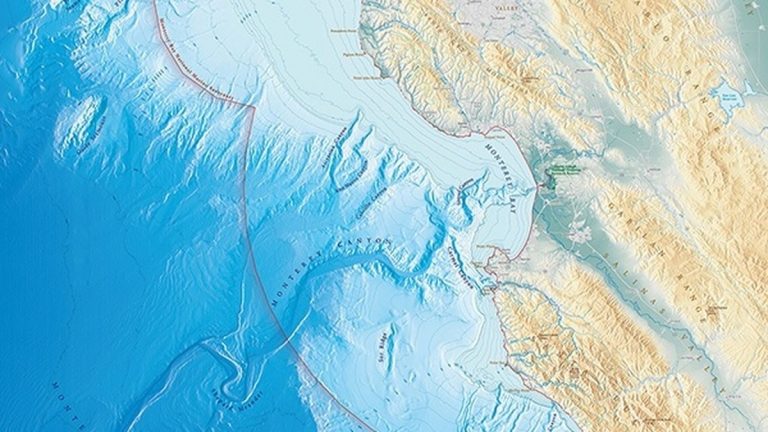
NOAA bathymetric map of Monterey Bay and its submarine canyon

In 1857, James Alden found a deep valley in Monterey Bay while sounding from the Coast Survey Steamer Active, revealing the first known seafloor canyon before sonar existed and giving mariners an early glimpse of the hidden terrain beneath California’s central coast

In 1857, a set of depth measurements in Monterey Bay produced a surprise that no sailor could see from the deck. James Alden, commanding the Coast Survey Steamer Active, traced a deep valley running through the bay. The feature would become known as Monterey Canyon and NOAA records describe it as the first known seafloor…

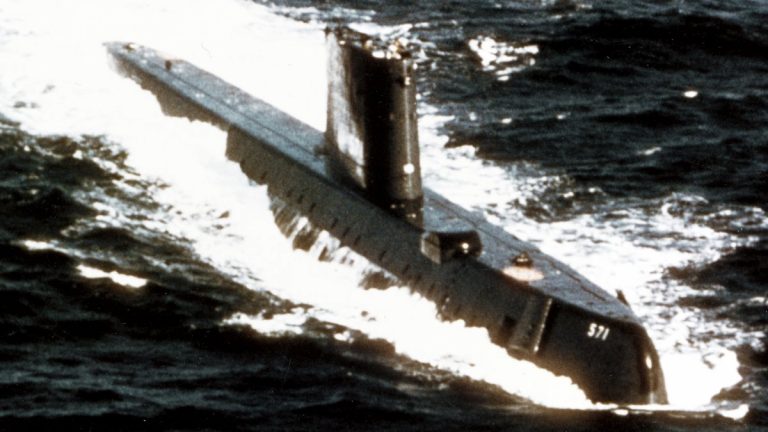
USS Nautilus underway at sea

In 1958 USS Nautilus slipped beneath the Arctic ice on a secret second attempt, carried 116 people across the geographic North Pole and emerged near Greenland after nuclear propulsion solved the endurance problem that had stopped earlier submarines

For the 116 people aboard USS Nautilus, the Arctic Ocean offered no reliable way to surface, communicate, or turn around quickly. Thick ice sealed off the sea above them. In August 1958, the nuclear-powered submarine passed beneath that ceiling and reached the geographic North Pole, opening a route that had long resisted undersea travel. The…

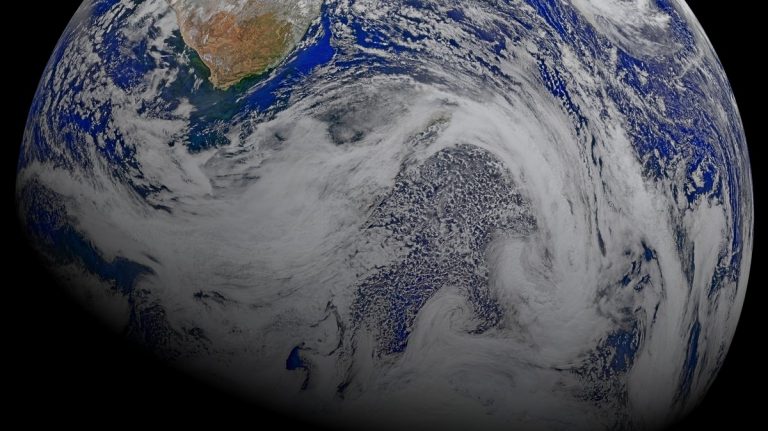
NASA satellite composite centered on the Indian Ocean, southern Africa and Madagascar

Indian Ocean facts

The Indian Ocean helps set the rhythm of life for hundreds of millions of people. Its seasonal winds help shape rainfall over East Africa, the Indian subcontinent and Southeast Asia. Its warm waters store heat, feed powerful storms and carry water between the tropics and the Southern Ocean. It is also a busy marine crossroads.…