Explainer

RSS Feed
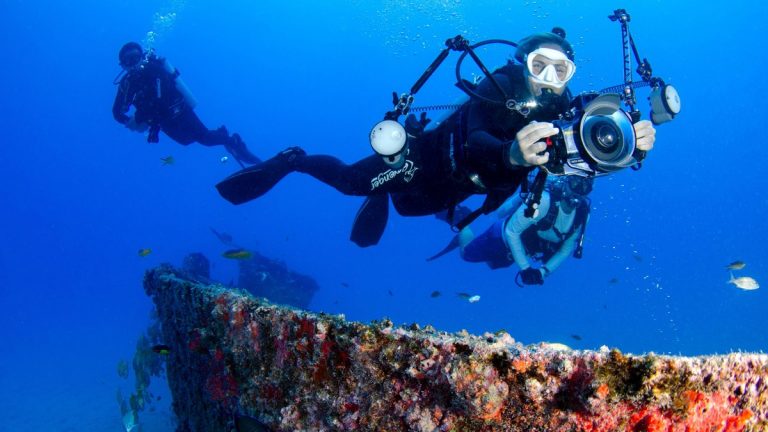
A scuba diver using a light in deep water

Eighteen recreational divers entered a chamber simulating 40 meters below the surface and the brain signal tied to attention and target detection stayed slower even after the pressure eased, suggesting that nitrogen narcosis can leave information processing lagging beyond the deepest phase of a dive

Eighteen trained recreational divers sat inside a dry hyperbaric chamber, breathed compressed air at pressure equal to about 40 meters of seawater and then took a simple listening test while their brain activity was recorded. The striking part of the result was not only that performance slipped during the simulated deep dive. Some of the…


More

More in Explainer

A participant resting in a hospital bed during a prolonged bed-rest setting

Twenty-four volunteers spent 60 days tilted head-down to mimic microgravity and by the end they took longer to read faces, leaned toward angry interpretations and saw no clear protection from daily artificial gravity sessions meant to help future crews

Twenty-four healthy adults agreed to spend two straight months in beds tipped six degrees head-down, a position used to mimic some of the body changes seen in orbit. By the end of the study, the most striking psychological shift was not a collapse in memory or attention. It was a slower response when reading facial…

Concept of human intelligence with human brain on blue background

Six volunteers spent 30 days inside a sealed spacecraft simulator and their EEG signals showed growing strain in the brain’s attention-control system before standard task scores fully captured how isolation was affecting focus

Six volunteers sealed inside a spacecraft simulator for 30 days showed one of the warning signs mission planners worry about most: the brain began working harder to manage attention before routine task scores showed the full size of the problem. The result points to a gap between how people seem to perform on the surface…

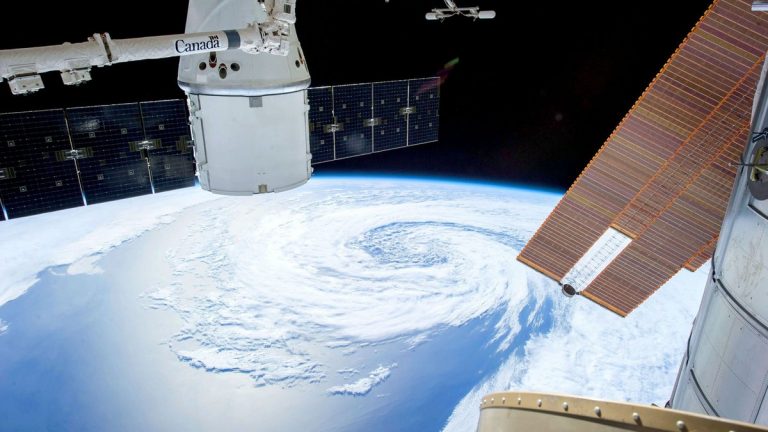
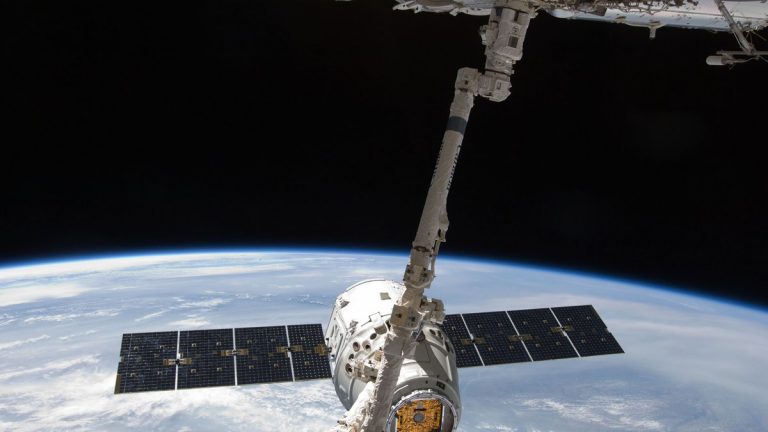
A spacecraft docked at the International Space Station above Earth

A 50-second delay between the International Space Station and Mission Control raised stress and frustration during a 166-day mission with three astronauts and 18 support staff, showing how a pause can unsettle the partnership that keeps crews and ground teams aligned

Fifty seconds is a small slice of time on Earth. A person can ask a question, glance at a screen, or take two breaths and keep moving. In orbit, during a demanding task, that same pause can feel much larger. A study tied to work aboard the International Space Station found that a 50-second one-way…